
The Miracle of Toronto: The Birth of Insulin and Its Impact on Diabetes Treatment
A Glimpse into the Past
Over a century ago, the landscape of medical science was drastically different. Life was fragile, with even minor ailments like otitis or a simple wound having the potential to be fatal. Medical breakthroughs were rare, and many diseases had fatal outcomes. Among these was diabetes, a condition that carried a death sentence for those diagnosed.
Understanding Diabetes
Diabetes has been documented for centuries, but its true nature remained elusive until the 2nd century AD when Areteus of Cappadocia named the condition “diabetes,” referring to the body’s inability to retain essential substances. The term “mellitus,” meaning “honey-sweet,” was added later, highlighting the sugary urine of patients—an odd mystery that puzzled physicians.
Throughout history, diabetes was considered incurable. Treatments were limited to starvation diets and fasting, which provided only temporary respite. The prognosis was grim; mortality rates were alarmingly high, especially among children.
The Breakthrough: Discovery of Insulin
It wasn’t until the early 20th century that hope began to emerge. In 1921, a group of four scientists at the University of Toronto made a groundbreaking discovery: insulin. Led by surgeon Frederick Banting and student Charles Best, the team worked meticulously to isolate this crucial hormone responsible for regulating blood sugar levels.
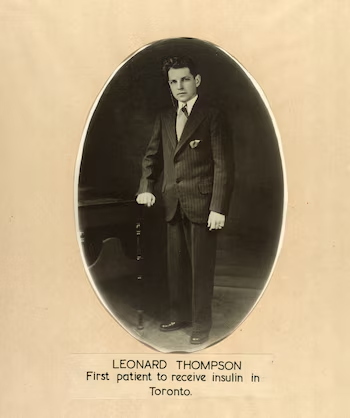
Their efforts culminated in the treatment of a 13-year-old boy named Leonard Thompson. He entered the hospital in critical condition, weighing only 29 kg and suffering from severe diabetes. His desperate situation prompted his father to consent to an experimental treatment with the newly isolated insulin.
Leonard Thompson: The First Patient
On January 11, 1922, Leonard received the first-ever injection of insulin. Initially, the results were mixed; his blood glucose levels dropped significantly, but he also experienced an allergic reaction. However, perseverance led to a second, purer injection, which resulted in dramatic improvements—his blood sugar stabilized, and he began to gain weight.
Leonard was dubbed “Patient Zero” and became a symbol of hope in the medical world. This pivotal moment in Toronto not only restored his health but also ushered in a new era in diabetes treatment.
Legacy of the Miracle
Following this success, Banting, Best, and their colleagues went on to receive the Nobel Prize in Medicine in 1923. Their discovery changed the lives of millions, allowing diabetes patients to regain normalcy and longevity. By 1923, the pharmaceutical company Eli Lilly began mass-producing insulin, revolutionizing diabetes care.
Current Understanding and Future Directions
Today, diabetes is better understood, although a cure remains elusive. It is recognized as an autoimmune disease, targeting the insulin-producing beta cells in the pancreas. Current treatments have evolved from animal insulin to synthetically produced human insulin. Advanced technologies like insulin pumps and continuous glucose monitors have transformed diabetic care.
Research into potential cures continues, with exciting developments in stem cell therapies that aim to restore insulin production. As science progresses, the prospect of a cure seems increasingly tangible.
In conclusion, the story of Leonard Thompson and the discovery of insulin is a powerful reminder of the progress made in medical science and the enduring quest for effective treatments for chronic diseases like diabetes. The journey from despair to hope reflects not only scientific advancement but also the resilience of the human spirit.