
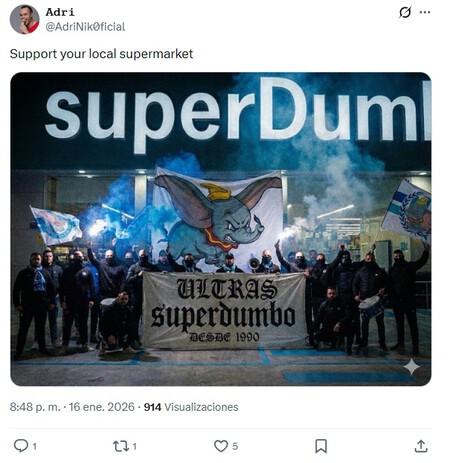
The supermarket sector in Spain has long been a battleground, especially as Mercadona has made massive inroads, now controlling almost 30% of the market in terms of value. Yet, a fascinating new phenomenon is emerging on social media: the rise of ‘supermarket hooligans’, a term that reflects the intense rivalry between major chains like Mercadona, Lidl, Aldi, and Dia.
The Supermarket Ultras: A Contemporary Craze
Just as football fans have defended their teams for decades, this new wave of fandom has taken to social networks like X, Instagram, and TikTok. However, instead of Real Madrid or Barcelona, the passions are directed toward supermarket chains.
Goodbye Barça, Hello Bonpreu
If you’re curious, go to TikTok and search for the hashtag #hooligans. You’ll find not only traditional football ultras but also a surprising variety of videos featuring people decked out in balaclavas, scarves, and flags emblazoned with logos from local supermarkets like Mercadona and Eroski.
These aren’t just any flags; they demonstrate a cultural twist, with vibrant colors representing the brands instead of sports teams. The @MariaMayrit account even called them “supermarket ultras,” highlighting their bizarre but fascinating nature.
What Sets Supermarket Ultras Apart?
Unlike traditional hooligans, whose focus is on sports, supermarket ultras center their attention on grocery chains and their community significance. Their battleground is not stadiums or parking lots, but the vast expanse of social media where memes and AI-generated content thrive.
There are no clubs gathering for face-offs over the best grocery store; instead, these fans engage and express loyalty through humour and creativity online. This cultural shift points to a deeper relationship with brands that offer not just products but a lifestyle.
The Cultural Impact of Supermarket Hooligans
This trend isn’t just a fad; it signifies the increasing importance of these retail giants in our lives. Brands like Mercadona are evolving from simple grocery stores into cultural landmarks where people gather, cook, and even share meals.
Moreover, the memes circulating among supermarket ultras signify profound brand loyalty and their deep roots in specific communities. Research in the sector supports the idea that smaller chains are helping propel industry giants, bridging the gap between local identity and brand attachment.
At the heart of this phenomenon is the need for a connection to identity, and these memes brilliantly encapsulate it. As supermarkets take on new roles in society, the antics of ‘supermarket ultras’ will likely continue to evolve, reflecting our changing consumer culture.