
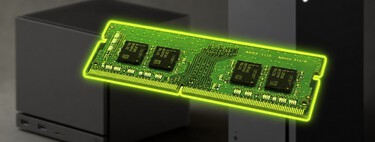
Memory Crisis: A Dire Outlook
A recent report from Jefferies Equity Research paints a grim picture regarding the future of the memory crisis. After nine months of escalating prices for memory components, it seems we are far from finding relief.
Predictions for 2026
The Rest of 2026 Will Be Horrible
Analysts predict that memory prices will surge by 40-50% in the third quarter of 2026 compared to the current quarter. The situation will worsen in the fourth quarter, with another anticipated increase of 30-40%.
Let’s Do the Math
The implications of these increases are staggering. For instance, the current price of a 16 GB DDR4 module is approximately €139. Under the forecasted increases, the price could rise to €209 in Q3 and potentially reach €292 by Q4. Similarly, a 16 GB DDR5 module currently priced at €240 could see its cost escalate to €360 and ultimately €504 by the end of the year.
Widespread Effects
Bad for (Almost) Everyone
These drastic price hikes will not only affect PC components but will ripple through numerous electronic products reliant on memory chips. Mobile phones, tablets, graphics cards, smart TVs, and even vehicles may experience significant price increases. Companies like Apple could face pressure to raise their prices, leading to a broader impact across sectors.
Not Just a 2026 Issue
2027 Will Be Bad Too
The crisis is set to persist into 2027, albeit with a slight easing. Analysts expect year-on-year increases of 40-45%, still an alarming trend compared to pre-crisis levels.
Why Does This Crisis Last So Long?
Artificial Intelligence and increasing demand are at the core of this ongoing crisis. Manufacturers struggle to keep up, prioritizing long-term contracts with huge firms and hyperscalers. Currently, about 50% of manufactured memory is already allocated to these major clients, a figure that Jefferies suggests could rise to 70%.
Hope on the Horizon?
The End of the Crisis in 2028?
While 2028 might see a slight reprieve with a projected 15-20% increase in supply, it’s unclear how this will impact prices. A slowdown in demand may contribute to a potential decrease.
The Role of Chinese Manufacturers
China Manufacturers Won’t Save Us
Expectations were high for relief from Chinese manufacturers like CXMT. However, current pricing from these companies is similar to that of established giants like Micron, Samsung, and SK Hynix. Although CXMT has inventory, most of it caters to domestic needs, leaving little room for international consumers.
Conclusion
The memory crisis appears to be far from over, and the predictions for the next few years are daunting. Consumers and businesses alike will need to brace for continued price hikes and potential shortages in the memory market. The situation is evolving, and ongoing analysis will be crucial for stakeholders navigating these challenging times.