
The Future of Retirement in France: A Critical Overview
As the world evolves, so do the challenges associated with retirement systems . In France, the Council for Orientation on Pensions (COR) recently added a layer of complexity to the ongoing debate about the future of the nation’s pension system. On June 6, 2025, COR, led by economist Gilbert Cette , released a nearly final version of its annual report, sparking heightened discussions among members. This particular document hints strongly at a controversial direction for ensuring the financial sustainability of pension plans: raising the legal retirement age.
The release of this report comes at a pivotal moment when social partners are negotiating to address the pressing concerns surrounding pension reforms . Unions and labor organizations have been vocal in their criticism of proposals to extend the retirement age, making it a contentious topic in recent weeks.
The Financial Landscape of Pensions
According to COR’s projections, France’s pay-as-you-go pension system could face a deficit of €6.6 billion by the year 2030 , representing 0.2% of the Gross Domestic Product (GDP) . This scenario is expected to deteriorate further, potentially escalating to 1.4% of GDP by 2070 . Such alarming forecasts compel stakeholders to consider various financial remedies to stabilize the system.
The COR report outlines several “mobilizable levers” to address this impending financial shortfall. These include:
- Slowing the pension increases to a pace that is less than the rate of inflation.
- Increasing the contributions that employees make to the pension fund .
- Raising contributions from employers.
- Delaying the age at which individuals can access their retirement rights.
The last point aligns with the 2023 legislation that has already raised the retirement age from 62 to 64 years, a move that faced substantial backlash. It becomes increasingly clear that the financial viability of the pension system is at a crossroads, necessitating difficult choices that may further strain the relationship between the government and labor organizations.
The Social Impact of Proposed Changes
Any proposal to shift the retirement age inevitably brings significant social ramifications. The argument often posited against such changes is that they disproportionately affect those in physically demanding or low-paid jobs. Many argue that people in these categories may be unable to work longer due to health-related concerns, making the current legal age unrepresentative of their capability and situation.
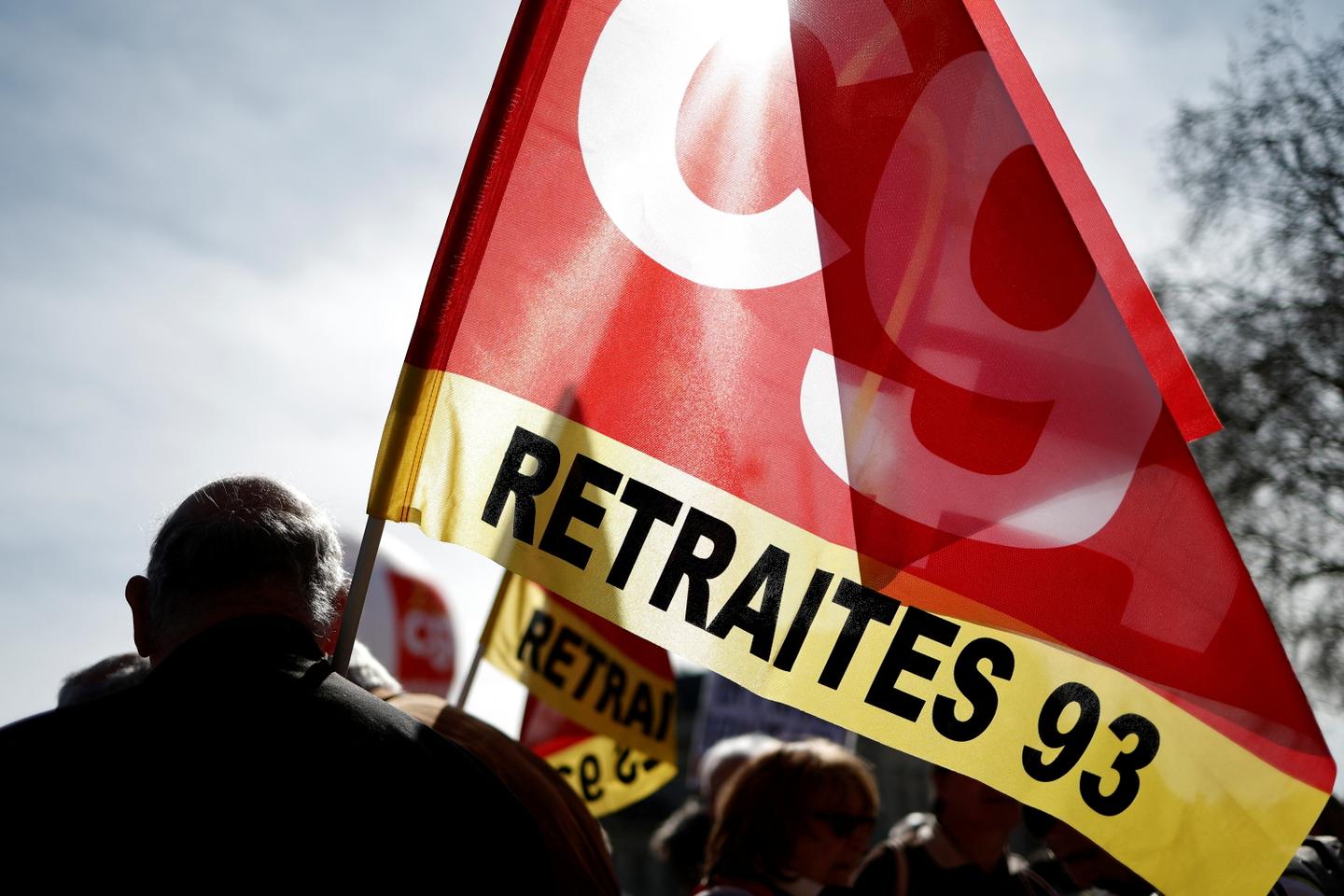
Furthermore, public sentiment is a crucial factor. Previous attempts to modify pension reform, such as in 2023 , ignited mass protests throughout major cities, creating a tense and charged atmosphere. The fear among the populace is that these reforms signal a systematic erosion of workers’ rights and entitlements, putting those who relied on pensions for a secure retirement in jeopardy.
As negotiations progress, the stances of each party will play a critical role in shaping the final outcome. Labor unions are likely to continue their resistance against any proposals that they perceive threaten the welfare of workers and retirees. The government’s challenge lies in balancing the need for financial sustainability with the obligation to uphold social justice in the pensions sphere.
In conclusion, the future of the pension system in France rests on a precipice, where the interplay between fiscal responsibility and social equity must be navigated with care. The choices made in the coming months will leave a lasting imprint on the lives of many individuals, making it essential for policymakers to engage transparently with all stakeholders involved. The pension debate is no longer just an economic issue; it has transformed into a profound matter that deeply affects the lives of millions of French citizens. The call for a sustainable pension model continues, but the path forward is fraught with challenges that demand careful consideration and a commitment to fair solutions.
General News – 2