
## Controversy on the Pitch: Moutoussamy’s Encounter with the Referee
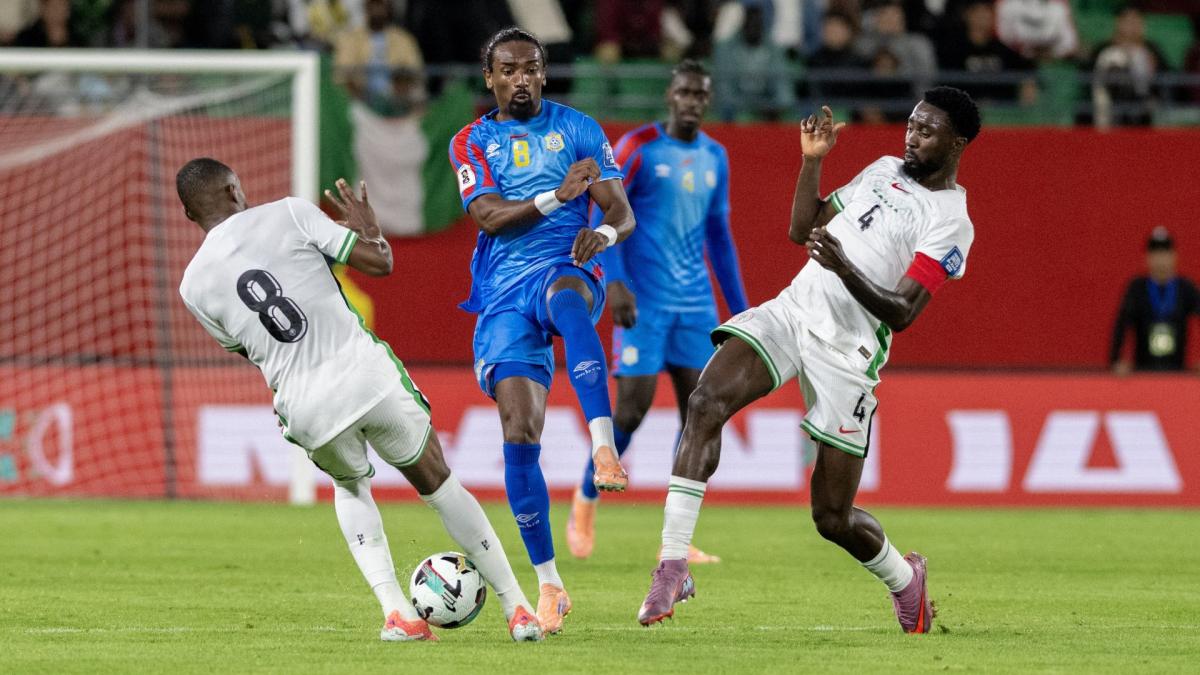
The recent match between the Democratic Republic of Congo and Benin, which ended in a 1-0 victory for the Congolese team, was not just notable for its scoreline. It is the officiating, particularly surrounding the handling of the VAR system and a contentious incident involving defender Chancel Mbemba, that has drawn considerable attention and debate among fans and analysts alike.
### VAR Breakdown and Missed Calls
The VAR, or Video Assistant Referee, was expected to aid the officials in making crucial decisions during the match. However, a breakdown in the system raised questions about the reliability and effectiveness of technology in football. A notably disputable moment was Mbemba’s unwhistled handball in the penalty area, which could have drastically changed the game’s outcome. Such incidents reflect ongoing issues within officiating that leave both players and fans frustrated.
### Moutoussamy’s Injury Incident
Adding to the drama of the match, Samuel Moutoussamy found himself embroiled in a peculiar interaction with the referee towards the end of the game. After suffering from a calf cramp, he communicated his intentions to the referee, explaining that he did not require a stretcher and was merely seeking to regain his composure with a quick drink of water.
#### The Threat of a Yellow Card
In an unexpected turn of events, the referee insisted that Moutoussamy needed to be carried off on a stretcher or face the potential of a yellow card. The Congolese international, currently playing for Atromitos, expressed his bewilderment at the rule, admitting, “I already had one [yellow card], so I didn’t think too much about it. It’s a small point in the rules that I’m probably not familiar with.”
### Implications of Rules in Football
This exchange brought to light various aspects of football’s rules that can often be misunderstood by both players and fans. The threat of a card for not complying with a stretcher request is a reflection of the stringent enforcement of player safety protocols in the sport. Nonetheless, it raises questions about common sense in officiating during match pressure situations.
### Conclusion
As the dust settles on this contentious match, the focus remains on the inconsistencies in officiating and the rules governing player conduct during injuries. Samuel Moutoussamy’s experience serves as a reminder of the fine line that players must navigate between complying with regulations and prioritizing their performance on the pitch. The outcome of the match may have favored the Democratic Republic of Congo, but the dialogue surrounding the officiating will undoubtedly linger, prompting calls for clearer communication and understanding of the rules among players and referees alike.