
Understanding Torrefacto: The Spanish Coffee Phenomenon
If you stroll through the breakfast aisle of any supermarket, you’re likely to encounter a multitude of coffee varieties . Coffee is the second most consumed beverage worldwide, enjoyed by many not only for its rich flavor but also for its potential health benefits. However, the properties of coffee can vary significantly, particularly between natural coffee and its rival: Torrefacto . This style of roasting, often labeled as inferior by specialty coffee enthusiasts, is a distinct feature in many Spanish bars.
Curiously, this coffee is frowned upon in much of Europe, primarily due to its low quality , lack of historical significance, and potential health risks. Unlike natural coffee, which is celebrated for its makers and origins, torrefacto often garners a negative reputation.
The Origins of Torrefacto
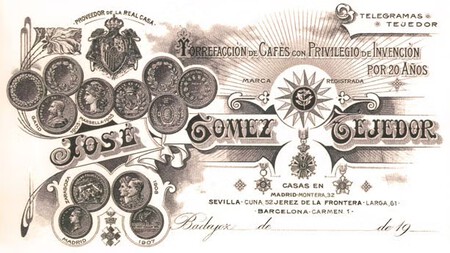
Interestingly, torrefacto’s history isn’t solely Spanish. While the beverage is often considered a quintessential part of Spanish culture, the first instances of similarly prepared coffee trace back to Cuba. Miners there used to roast coffee with sugar to improve its preservation during lengthy underground work. The modern iteration of torrefacto primarily stems from José Gómez Tejedor , an Extremaduran who founded Café la Estrella . In the late 19th century, Tejedor brought this method back from his travels through the Caribbean, effectively patenting it in 1901 .
For many years, only Café la Estrella could utilize this specific roasting technique. The process involves toasting coffee beans while simultaneously adding sucrose or glucose syrup —essentially sugar—allowing for up to 15 kg of sugar per 100 kg of coffee . This method produces a coffee that’s not just over-sweet but also bitter, often requiring even more sugar to make it palatable.
This method became prevalent in Spain, primarily because it helped preserve coffee for longer durations. In the early 20th century, when coffee consumption was not as widespread, the sweet layer allowed for better storage. While Portugal similarly embraced torrefacto, it truly gained notoriety during the Spanish Civil War .
Health Risks Associated with Torrefacto
During the Civil War and its aftermath, coffee shortages prompted people to rely more on torrefacto coffee, maximizing its economic efficiency. The loss of quality was overlooked as this method became normalized due to its accessibility. However, this roasting technique may pose health risks due to the presence of acrylamide —a chemical compound produced during the toasting process. When sugars and amino acids are subjected to high temperatures, acrylamide can form in significant quantities.
Research by agencies such as the International Agency for Research on Cancer (IARC) and the European Food Safety Authority (EFSA) has labeled acrylamide as a “probable human carcinogen.” They suggest that while natural coffee contains roughly 180 μg/kg of acrylamide, torrefact can boast levels soaring to 800 μg/kg , well exceeding the European reference limits set for safe consumption.
Interestingly, there are no robust studies correlating acrylamide levels with cancer risk in humans. However, animal studies have indicated potential health risks. Although the European Regulation EU 2017/2158 mandates producers to minimize acrylamide, torrefacto remains largely absent from markets outside of Spain and Portugal, not because of its toxicity but due to its low quality perception.
Comparing Torrefacto to Other Coffee Styles
In Italy, for instance, while the coffee might appear equally dark as torrefacto, it does not mean they practice the same roasting technique. The Italian term ‘Torrefazione’ describes roasting without added sugars, focusing more on natural flavors rather than masking them with sweetness.
When navigating the supermarket aisles, customers will predominantly find torrefacto coffee mixed with other types. You may see terms like 100% Arabica —indicating the coffee variety—but mixed blends like 50/50 or 70/30 often contain this signature sweet roast. If you’re purchasing coffee labeled as a “mix,” be cautious, as this may typically be a blend of both torrefacto and natural coffee.
The Cultural Significance of Torrefacto
Despite the rise of specialty coffee shops and increased awareness about quality coffee, torrefacto continues to hold a place in Spanish culture. Many people still consume this coffee in cafés and bars, often unable to distinguish its unique flavors from their natural counterparts. In my personal experience, while I have not bought torrefacto coffee in years, the ingrained practices and traditions surrounding it remain significant.
The sweetness of torrefacto serves as a hallmark of Spanish coffee culture, and while it may hide the genuine flavors of coffee, it is a tradition deeply woven into the fabric of Spain. As with all things, taste is subjective. If torrefacto is what brings joy to your coffee experience, then by all means, indulge.
Images | Café la Estrella, Nathan Dumlao, nousnou iwasaki
In Xataka | Coffee, tea or Coca-Cola: what is the most popular caffeine consumption in the main countries of the world