
The Science Behind Itching: Why Scratching Makes It Worse
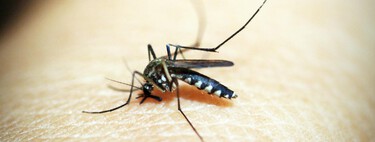
A summer afternoon, a Zumba mosquito in your ear, and in a moment, you already have a red lump on your arm. The first thing you do is scratch—one, two, three… up to ten times or more. And the more you scratch, the more you feel the urge to continue. Your mother warns you: “ Don’t scratch , it’s worse!” And now it turns out that science is right.
Why Scratching Doesn’t Help
Researchers at the University of Miami have demonstrated that scratching is not an effective method for calming the itching. On the contrary, it activates what is referred to as the “ itching cycle .” The more you scratch, the more skin inflammation occurs, releasing histamine and triggering even more itching. This creates a vicious cycle that is difficult to break.
Strategies for Relief
So what can you do instead? The recommendation is clear: if you can resist the impulse to scratch, do so. If that’s too difficult, try rubbing gently with your fingers or using a soft brush . As a team led by Tasuku Akiyama explains, gently caressing the skin—even around the area that itches—sends signals that block the itching sensation before it reaches the brain. This method can help you avoid that relentless urge to scratch.
A year later, the same effect was verified in another study involving 61 volunteers using a makeup brush to caress the skin slowly. Moreover, in the instance of itching induced by histamine—a classic molecule in allergic reactions—soft skin friction also reduces sensations of itchiness. According to Dr. Trisha Pasricha, this technique can reduce itching by up to 12% more than just scratching.
The Temptation of Scratching
It’s important to understand why scratching feels good—even though it ultimately worsens the situation. Scratching provides momentary relief because the pain it causes inhibits the itching signal in the nervous system. However, the real problem arises later: active scratching activates immune cells known as mast cells , which release histamine and other inflammatory molecules. As a result, you experience even more inflammation and a greater desire to scratch.
This phenomenon was illustrated in a study by the University of Pittsburgh, published in *Science*. When mice were prevented from scratching—using protective collars or by eliminating sensory neurons— inflammation decreased dramatically . However, researchers also discovered that scratching can help eliminate bacteria like *Staphylococcus aureus*, one of the most common causes of skin infections. This might explain why, despite its drawbacks, scratching has remained prevalent through evolution. Cats, dogs, horses, and practically all animals scratch as well.
The Mechanism of Itching
Not everything that touches our skin causes itching. As noted by Dr. Pasricha, a cotton shirt typically doesn’t bother us, while wool usually does. This is due to spatial contrast theory : when a small group of nerve fibers is activated, the brain translates that signal as itching. If the activation is broader or more intense, it is interpreted as pain.
Additionally, in the spinal cord, there are inhibitory neurons that act as filters, allowing or blocking the itching signal. When these “ guardians ” fail, chronic itching can emerge, affecting approximately 8% of the population . Another influencing factor is social observation; simply seeing someone scratch can trigger itch sensations in ourselves, a phenomenon researched by Dr. Zhou-Feng Chen. This demonstrates how our brain unconsciously mimics the sensations of others.
Itching as a Defensive Mechanism
Ultimately, itching serves a defensive function , alerting us to potential threats like insects or irritating substances. While scratching provides temporary pleasure, it typically exacerbates inflammation. Instead, gently rubbing or caressing the affected area offers longer-lasting relief without causing harm.
The next time a mosquito ruins your night, remember: scratching provides momentary relief but worsens inflammation. Science agrees with what your mother advised—it’s better to opt for a gentle caress or a brush than to resort to desperate scratching.