
From classic flavors to baroque derivatives like “tripe flavored with Oreo and Kinder,” ice cream holds the title of king of sweets, with a rich history dating back to the Italian Renaissance.
Origins of Ice Cream: An Ancient Delight
The story of icy desserts begins with ancient civilizations. The Greeks, Persians, and Chinese enjoyed crushed ice mixed with fruits, honey, or juice, serving as early versions of sorbet—distinct from ice cream in that it lacks buttery ingredients. The journey of ice cream to Italy, whether via the Silk Road or through Arab influence in Sicily, remains unclear.
Cosimo I de’ Medici: The Patron of Ice Cream
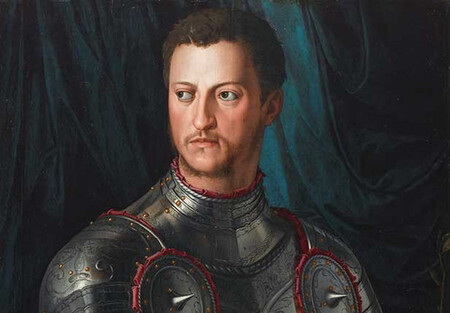
What is certain is that ice cream gained prominence in Europe through Cosimo I de’ Medici, a pivotal figure of the 16th century. Ascending to power as Grand Duke of Florence at just 17 years old, Cosimo concentrated power in his hands while promoting the arts and sciences in Florence. Notably, he commissioned the construction of the Uffizi Gallery.
As an influential patron, Cosimo welcomed artists and innovators, one of whom was Bernardo Buontalenti. Buontalenti mesmerized guests with a surprise welcome banquet during a visit from Spanish courtiers. His innovative dessert combined preserved snow with milk, eggs, and fruits, sweetened to perfection. This creation marked the Florentine court as the birthplace of modern ice cream.
The Legacy of Gelato
The success of Buontalenti’s creation led to the establishment of cakes and other frozen delights at the court. Today, Florence celebrates its gelato heritage yearly at the largest ice cream festival in Europe.
Catherine de’ Medici: The Ice Cream Ambassador
Strangely, the Spanish did not carry the ice cream recipe home, and the next chapter unfolded in France. Catherine de’ Medici, related to Cosimo I, brought Italian culinary influence to the French court after marrying Henry II of Orleans in 1533.
Catherine, a humanist and arts patron, transformed French cuisine by hiring Italian cooks and introducing Italian ingredients. Most importantly, she popularized ice cream, enlisting Ruggeri, a noted chicken vendor-turned-cook, to bring this delightful dessert to France.
The Rise of Ice Cream Across Europe
Throughout the 17th and 18th centuries, ice cream’s popularity soared. In 1686, Francesco Procopio dei Coltelli opened the Café Procope in Paris, the oldest coffeehouse in France. It served ice cream to illustrious patrons like Rousseau and Balzac. French culinary publications in the 17th century included Italian ice cream recipes, leading to its introduction in the U.S. by Italian immigrants in the late 19th century, where it eventually inspired the invention of the iconic Sundae.
The Sweet Conclusion
Today, when you savor a scoop of ice cream while seeking respite from the heat, remember the delicious legacy that connects humanity to a creation of pure delight. It’s a testament to our ability to not only adapt to the world but also to create culinary masterpieces that stand the test of time.