
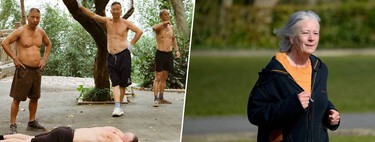
The Power of Exercise for Those Over 60
In the realm of gerontology, exercise is increasingly recognized not merely as a beneficial activity, but as a crucial component of health care for those over 60. This shift is largely driven by the assertion made by gerontologist Robert N. Butler in the 1980s: “If exercise and physical activity could be packaged as a pill, it would be the most widely prescribed and beneficial medication for the population.” Recent research has transformed this mantra into actionable insights, emphasizing the minimum effective dosage of exercise for older adults.
The ROI of Exercise
A landmark study conducted by the GENUD research group, led by José Antonio Casajús and published in Experimental Gerontology, presents compelling evidence for the clinical and economic benefits of exercise in older adults. The study involved 123 participants aged over 80 who engaged in three weekly supervised exercise sessions over six months. The results were transformative: not only did participants experience significant improvements in functional capacity and quality of life, but the economic impact was remarkable. The cost of the intervention was merely 164 euros per person, while the savings to the healthcare system exceeded 1,000 euros. This illustrates that exercise isn’t just a luxury; it’s an economically sensible health strategy.
The Clinical Squat: A Vital Movement
Among various exercises, the squat emerges as a key movement for older adults. This motion targets crucial muscle groups, significantly enhancing functional independence. Squats engage the hip extensors, quadriceps, and plantar flexors—muscles essential for daily activities like standing up from a chair or bed. The systemic benefits are profound; squats promote venous return and cardiac output, effectively acting as a natural cardiovascular booster.
Minimal Investment for Maximum Impact
One of the most encouraging findings from recent research indicates that substantial benefits can be achieved with as little as one minute of exercise daily. A program comprising just 30 seconds of squats followed by 30 seconds of push-ups demonstrated remarkable adherence and improvement in physical performance among participants over 60. This accessibility makes exercise an appealing option for older adults who may feel overwhelmed by traditional fitness regimens.
Exercise and Cancer Prevention
The positive implications of exercise extend beyond aging populations. Research highlights the role of physical activity in pediatric cancer rehabilitation, where it effectively mitigates chemotherapy side effects, protects heart health, and prevents muscle atrophy in children. This challenges the outdated notion that rest is imperative during illness.
Prescribing Exercise: A Need for Clarity
Despite the clear benefits, a major barrier remains in the prescription of exercise as a treatment modality: the lack of standardized ‘dosage.’ Just as a doctor prescribes medication with a specific regimen, exercise too requires clear guidelines regarding frequency, duration, and intensity tailored to individual needs.
The Call for Integration into National Health Systems
A movement is underway to formally incorporate exercise prescriptions into healthcare systems. The Health and Sports Working Group of the Collegiate Medical Organization argues for the equivalence of exercise and pharmaceutical treatments. Their vision is to see exercise prescriptions such as “3 sets of 10 squats” recognized officially, aligning exercise with pharmacological therapies in health policy.
In conclusion, as the aging population grows, so too does the imperative to harness the power of exercise. With scientific backing and economic justification, it’s time to reframe exercise from being a lifestyle choice to an essential health intervention for those over 60.