
The Return of Voluntary Military Service in France
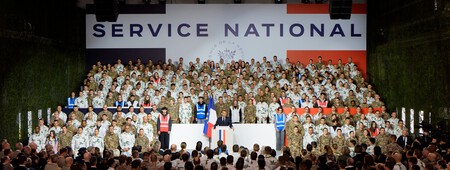
In Varces-Alliéres-et-Risset, President Emmanuel Macron made a significant announcement: the return of military service in France. Set to commence in 2026, this program will be a ten-month voluntary initiative for young citizens aged 18 and 19. As tensions rise globally, particularly with the situation in Ukraine, this strategic move reflects a shift in France’s defense policy.
Key Details of the New Military Service
The voluntary military service aims to mobilize around 3,000 young recruits in its initial phase, gradually increasing to 10,000 by 2030 and potentially 50,000 by 2035. Recruits will receive a stipend ranging from €900 to €1,000 per month, along with benefits like accommodation and travel discounts. Importantly, Macron has assured that these soldiers will be deployed solely within French territory.
Context and Rationale Behind the Decision
The decision to reinstate military service follows nearly thirty years since France abolished mandatory military service in 1996. The geopolitical climate, particularly the growing threats from Russia, has prompted EU members to reconsider their military strategies. Countries like Germany and Denmark are also exploring similar paths, making France’s initiative part of a broader European trend.
Criticism and Support for the Initiative
While the proposal enjoys substantial support, with 73% of French citizens viewing it positively, some skepticism remains, especially among young adults in the 25-34 age group. Concerns have also been raised regarding the proposed pay, which critics argue falls below the minimum wage.
Financial Implications of the Military Program
The new military program comes with a hefty financial commitment, estimated to cost around €2 billion. This investment is viewed by Macron as a necessary expense to enhance national defense capabilities and ensure the safety of all citizens.
Implications for France’s Military Readiness
Currently, France maintains approximately 200,000 active personnel and 47,000 reservists. The goal is to increase these numbers to 210,000 and 80,000 by 2030, enhancing France’s overall military capacity. As Europe faces new geopolitical challenges, steps like the reinstatement of voluntary military service aim to fortify national and regional security.
Conclusion
The return of voluntary military service is a pivotal development in France’s defense strategy, reflecting a proactive approach to emerging global threats. As the program rolls out in 2026, its impact on national security and public sentiment will be closely monitored, shaping the future of military engagement in France and across Europe.