
The Legacy of Chernobyl: The Heroes of 2025
A Dangerous History
In 1986, three fearless Soviet engineers volunteered to enter the perilous tunnels beneath the Chernobyl nuclear plant. Their mission was to access valves that could prevent another catastrophic explosion. For decades, it was thought they perished from radiation exposure almost immediately. Surprisingly, two of them survived, exemplifying the paradox of Chernobyl: the real nuclear threat stems not from bombs but from malfunctioning reactors.
The Ghosts of Chernobyl Return
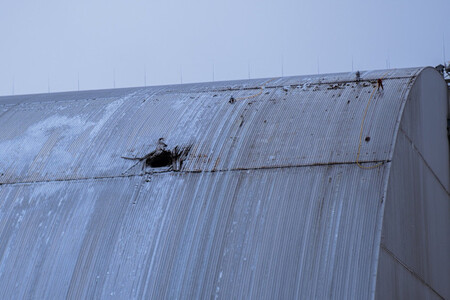
Fast forward nearly four decades, and Chernobyl again found itself in the limelight. In February 2025, a Russian drone struck the containment structure built over the Chernobyl sarcophagus, igniting an internal fire. The haunting echoes of past sacrifices arose, as Ukrainian firefighters were thrust back into action in one of history’s most infamous nuclear disaster sites. It was a chilling reminder of 1986, with men confronting radiation once more.
Climbing into Frozen Hell
The firefighting operation was grueling. Over two weeks, more than 100 brave responders worked in shifts, limited to just thirty minutes each to mitigate radiation exposure. The intense cold caused water to freeze almost instantly, while relentless winds battered a structure the height of a thirty-story building. Oleksiy Chuprov, an emergency worker, captured the essence of this mission succinctly: “We just did our job.” However, his further reflection, “Destiny gave us an opportunity to test ourselves to the limit,” crystallizes the harsh reality: at Chernobyl, there is no margin for error.
The Evolving Nuclear Threat
Historian Serhii Plokhy highlights a significant shift in the nuclear threat landscape. The focus has transitioned from missile-based fears to a more complex danger: “the true nuclear threat today comes much more from atoms for peace than from atoms for war.” The Chernobyl reactor, inactive since 2000, still contains 200 tons of highly radioactive materials — a siting that, once merely an accident’s legacy, is now a target in conventional warfare.
The Power Plant as a Weapon
The conflict in Ukraine has starkly illustrated that civil nuclear facilities have become strategic assets. Russia’s occupation of Chernobyl since 2022, along with its control over the Zaporizhia Nuclear Power Plant, redefines the nature of nuclear security. Ukrainian reliance on these reactors has heightened, making them pivotal not just for energy but for survival.
A Hole in the Armor
The impact of the drone did not destroy the containment facility, but it shattered the illusion of invulnerability surrounding the $1.75 billion structure installed in 2019. Built to endure disasters like tornadoes and forest fires, it was ill-equipped for direct military attacks. Now, Ukraine faces an urgent need for $580 million to repair the damage and prevent further corrosion. This physical hole symbolizes a dire truth: even the best safety measures can be compromised by war.
Ignorance: A New Risk Factor
During the Russian occupation, soldiers dug trenches and laid mines in contaminated territories without understanding radiation hazards. Rescue worker Oleh Lebedev noted that they had “absolutely no idea about radiation control or where they were.” This ignorance adds another layer of risk; in a volatile environment like Ukraine, the potential for a nuclear accident can stem from a single misstep.
Blurred Lines: Energy and Destruction
What unfolds in Chernobyl serves as a dire global warning. The boundary between energy production and weaponization is more blurred than ever. A deactivated reactor could become a bomb if hit in a vulnerable spot, while an active plant may serve as a military shield or a bargaining chip.
Conclusion: Heroes of Today
The men who now ascend to seal Chernobyl’s breach are not merely firefighting; they are standing guard against the possibility of a catastrophic nuclear episode. The world looks on, hopeful that their bravery will keep the specter of Chernobyl at bay for good.