
The Impact of Rising Interest Rates on Turkey’s Economy
As Turkey grapples with economic challenges, rising interest rates have emerged as a pivotal issue. The recent criticism surrounding these rates signifies not only the financial implications but also the societal impact tied to economic policies. With the stakes high, understanding the relationship between interest rates and production is essential.
The Current Economic Climate in Turkey
Turkey’s economy has faced a series of challenges over the past few years, and the introduction of high interest rates has sparked widespread concern among economists and citizens alike. The persistent high rates have placed a significant burden on various sectors, particularly manufacturing and small businesses. The Hazine ve Maliye Bakanı (Treasury and Finance Minister) Mehmet Şimşek faces mounting pressure regarding the efficacy of the current economic policies.
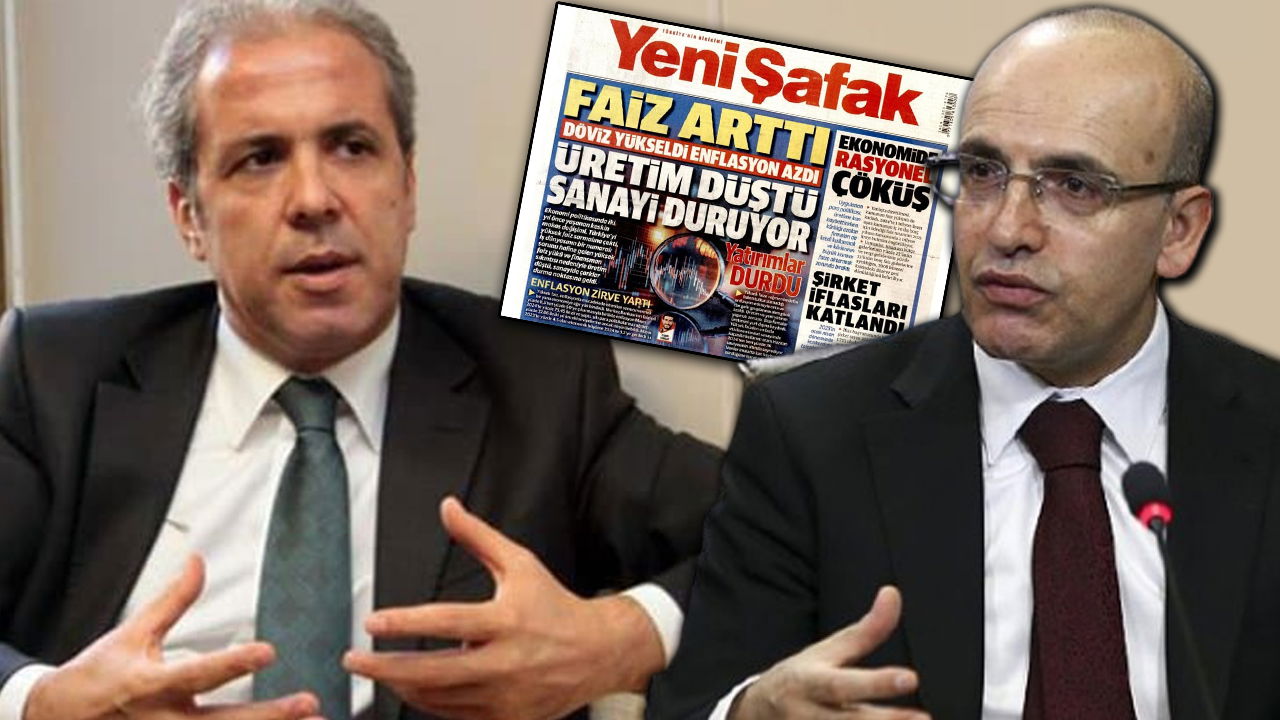
A recent article in the pro-government Yeni Şafak newspaper highlights this turmoil. Critics argue that the Ortodoks monetary policy focused primarily on high interest rates is proving ineffective in combating inflation. As stated, “Turkey, that has not faltered despite negative events, has been grappling with high interest rates for the past 24 months,” reflecting the severity of the situation.
Key Concerns About Rising Interest Rates
One of the critical issues stemming from high interest rates is the reduction in production across various sectors. Businesses are struggling to secure financing, which directly impacts their ability to innovate and grow. High borrowing costs create an environment of uncertainty, where businesses are reluctant to invest in new projects. This depletion of investment ultimately reflects on the overall economic health of the country.
Moreover, small and medium enterprises (SMEs), which constitute a substantial part of Turkey’s economy, are feeling these pressures acutely. The access to credit has become increasingly difficult, resulting in layoffs and decreased output. As one entrepreneur put it, “We are suffocating under the weight of loans that have become unbearable,” signaling the grim reality many face.
Reactions from Political Figures
Commentary from political figures further emphasizes these struggles. Former AKP deputy Şamil Tayyar has weighed in on the situation. He recognized the legitimacy of the critiques presented by brands like Yeni Şafak, suggesting a shared understanding among various stakeholders regarding the economic conditions. In his social media remarks, Tayyar pointed out:
"High interest rates are a serious problem, access to credit is a major issue, and manufacturers are in a difficult position."
His alignment with the criticisms indicates a broader consensus that urgent change is necessary within the prevailing economic approach.
Criticism of Economic Policies
The political climate surrounding Turkey’s economic strategies has become increasingly charged. The government’s focus on high interest rates invites scrutiny, especially when these measures fail to yield positive outcomes. During a recent meeting involving Cevdet Yılmaz, the Deputy President, and Mehmet Şimşek, other ministers were also present to discuss the pressing concerns raised by the TOBB (Union of Chambers and Commodity Exchanges of Turkey) leadership.
Critics openly challenged the ministers, asking, “Is your policy faulty, or are your bureaucrats misguiding you?” Such questions underline a significant lack of confidence in the current economic framework. The call for a reevaluation of tactics highlights the urgency for a transition towards more balanced economic policies.
The Role of BUREAUCRACY in Economic Strategy
In addition to the critiques faced by Shimshek and his team, the Turkish Statistical Institute (TÜİK) has also been a focal point of discussion. Critics argue that reliance on statistical data alone neglects the complex social elements intertwined with economic performance. The prevailing sentiment is that effective economic strategy must encompass not just numbers, but also social realities that impact citizens’ lives.
The rising traffic fines and unjust taxation systems faced by small businesses add to the discontent. Entrepreneurs have voiced their concerns over such practices, emphasizing that these measures further hinder their capability to operate effectively within the economy.
The Need for a Holistic Approach
As the discussion evolves, the need for a holistic approach to economic policy becomes increasingly clear. Effective solutions must include socio-political dimensions alongside statistical metrics. The consensus is that the success of economic strategies cannot solely rely on fiscal policies; they must also consider the psychological, social, and legal frameworks surrounding them.
In conclusion, it is imperative for the Turkish government to rethink its approach to economic management. With interest rates impacting production, employment, and growth, transitioning towards a more comprehensive strategy may offer the only pathway toward recovery.
İktidara yakın Yeni Şafak gazetesinin bugünkü manşetinde artırılan faizler ve akabinde üretimin düştüğüne dair eleştiriler yer aldı.
Hazine ve Maliye Bakanı Mehmet Şimşek‘in ekonomi politikasının yetersizliğine dair eleştirilerin yer aldığı haberde; “Yaşanan onca olumsuz hadise karşısında tökezlemeyen Türkiye, son 24 aydır yüksek faizle boğuşuyor. Ekonominin önündeki tek engel olarak görülen yüksek faize dayalı Ortodoks para politikası, enflasyonla mücadelede istenilen sonucu vermek bir yana ülkeye ağır yük bindirdi” ifadelerine yer verildi.
TAYYAR’DAN O MANŞETE DESTEK
Yeni Şafak’ın, Mehmet Şimşek’in ekonomi politikalarını manşetten verdiği haberle eleştirmesi, eski AKP Milletvekili Şamil Tayyar’ın da gündemindeydi.
Gazetenin eleştirilerine destek veren Tayyar, sosyal medya hesabından yaptığı paylaşımda şu ifadeleri kullandı:
“Yeni Şafak’ın bu manşeti hangi saikle attığını bilmiyorum.
İçeriğine baktığımızda ‘rasyonel çöküş’ gibi gazete başlığı kadar karamsar olmasam da eleştirilerin önemli kısmında haklılık payı olduğunu söyleyebilirim.
Yüksek faiz ciddi sorun, krediye erişim büyük problem, sanayici zor durumda, enflasyonla mücadele tekliyor.
Bu tespitler, kimi gazete manşetlerine yansımasa da her köşede konuşuluyor, üreticiler burnundan soluyor.
Nitekim.
Geçen hafta Cumhurbaşkanı Yardımcımız Cevdet Yılmaz, Maliye ve Hazine Bakanımız Mehmet Şimşek dahil 7 bakan, TOBB yönetimiyle bir araya geldiğinde, daha ağır eleştirilere maruz kaldı.
Yukarıdaki tespitlere ek olarak, TÜİK de ekonomi bürokrasisi de boy hedefi oldu.
Açık açık bakanlara şöyle dediler: ‘Ya politikanız yanlış ya bürokratlar sizleri yanlış yönlendiriyor.’
Ayrıca, her güzergahtaki trafik cezaları ve her küçük esnafın kapısındaki vergi tutanağıyla kaynak oluşturma girişimi de bir başka eleştiri konusu.
Uzunca süredir dile getirdiğim bir başka mevzu, doğru yönlerinin yanı sıra ekonomi politikalarının sadece istatistiki tablolara dayandırıldığı, sosyal yönünün zayıf olduğudur.
Ama şunun altını çizmem gerekir:
Ekonomi politikalarındaki başarı, yalnız bu alandaki tedbirlerle sağlanamaz, siyasi, hukuki, toplumsal ve psikolojik yönleri yabana atılamaz.
Bunun için de topyekun mücadele ihtiyaç vardır.”