
The Rising Threat of Extremism in West Africa: Mali’s Counter-Terrorism Efforts
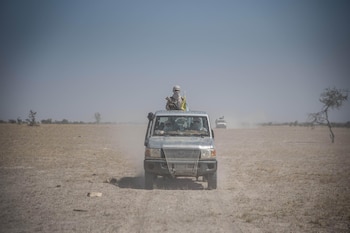
The Malian army has reported a significant development in its ongoing efforts to combat terrorism. A high-profile commander of the Islamic State in the Greater Sahara (EIGS) has been killed, along with several bodyguards, during a targeted operation in northern Mali. This operation took place in the town of Cha-mane, located in the *Ménaka region*, and was aimed at disrupting the activities of extremist groups operating within the area.
According to an official statement published by the army on its Facebook page, this operation was described as a “surprise” attack. The military’s intelligence indicated that the targeted Islamic State commander was engaged in coercing the local populace through one of his so-called ‘awareness campaigns.’ This campaign aimed to assert dominance over the inhabitants of the region, forcing them into compliance with the group’s demands.
The Context of Military Rule in Mali
Mali has been under the control of a military junta since two coups occurred in August 2020 and May 2021 , both led by Colonel Assimi Goita . The current leadership has shifted its alliances, gravitating toward Russia as a strategic partner while distancing itself from former allies, particularly France and other Western nations.
This geopolitical shift is part of a broader trend within the region, as Mali, Burkina Faso, and Niger have experienced a rise in military governments, primarily in response to growing insecurity. The recent spike in attacks by affiliates of Al-Qaeda and the Islamic State poses significant risks to stability across the Sahel region. Consequently, Mali announced it was stepping back from the Economic Community of West African States (ECOWAS) , further isolating itself amid these turbulent times.
The Consequences of Extremism in Mali
The ramifications of increasing extremism in Mali extend beyond immediate security concerns. Civilians often bear the brunt of violent reprisals, as terrorist groups use brutal tactics to instill fear and maintain control. Reports of kidnappings, forced labor, and extortive practices by extremist factions have surged, impacting everyday life for local communities.
This cycle of violence not only disrupts economic activities but also undermines efforts toward social cohesion and trust within communities. Humanitarian crises are exacerbated as resources become scarce, leading to displacement and suffering for many families caught in the crossfire of these ongoing conflicts.
International Response and Local Cooperation
The international community has expressed concern over the deteriorating security situation in Mali and the surrounding regions. Humanitarian organizations, alongside local governments, are working tirelessly to address the urgent needs of affected populations. Aid strategies focusing on education, healthcare, and socio-economic development are increasingly essential in fostering resilience against extremist narratives.
While the Malian military’s recent success in neutralizing a prominent terrorist leader is a step forward, sustainable solutions require broader engagement with local communities to build trust and enhance resilience against violent extremism. Collaborative efforts between regional governments, community leaders, and international partners will be crucial in creating lasting peace and stability in Mali and beyond.
In conclusion, Mali’s fight against terrorism continues to evolve amidst complex social and political dynamics. The recent operations against extremist leaders demonstrate a commitment to restoring security, yet comprehensive strategies addressing the root causes of extremism are essential. Without such efforts, the cycle of violence may persist, threatening the stability and well-being of Mali and its neighbors for years to come.
General News – 2