
The Emergence of Electric Cars as Mobile Lifelines in China’s Floods
In recent times, electric vehicles (EVs) have been hailed for their eco-friendliness, but a fascinating dimension of their utility has emerged amid the severe flooding in China. The technology that supports vehicle-to-load (V2L) capabilities allows electric car batteries to serve as mobile power sources. This functionality has garnered unexpected attention, demonstrating its real-world applications during emergencies.
Understanding Vehicle-to-Load (V2L) Technology
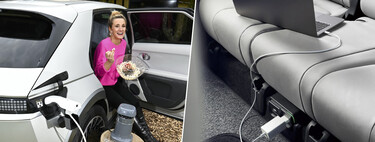
V2L, or Vehicle to Load, enables electric cars to supply electricity to various devices, effectively turning vehicles into portable power banks. Initially, this feature seemed more like a gimmick. Demonstrations showcased everything from charging bicycles to powering coffee makers, often met with skepticism regarding practicality. Who, after all, would choose to use their car’s battery to brew coffee in the great outdoors?
However, the utility of V2L technology became starkly apparent during recent crises, such as last year’s general power outage in Spain and the recent floods in China.
The Role of Electric Cars in Emergencies
As devastating floods swept through the Guangxi region of China due to Typhoon Mesaak, many found themselves stranded. In this dire situation, electric cars proved invaluable. With electricity shortages complicating rescue efforts, these vehicles became essential lifelines. Reports highlighted how people utilized their cars to maintain communication with emergency services and family, ensuring they remained connected despite the chaos.
Images circulating on social media platforms like Weibo showcased crowds gathering around vehicles, as one car could charge numerous mobile phones and portable batteries with the help of multiple input power strips. This phenomenon highlighted how EVs could serve as “rolling batteries,” solidifying their role not just as transportation, but as vital support systems in times of need.
Innovations and Risks
Though many electric cars in China boast higher V2L capacities compared to their European counterparts, using multiple power strips poses risks. As highlighted by experts, daisy-chaining power strips can create hazardous situations and potentially damage devices.
Nevertheless, the efficiency of certain models, such as the Geely Riddara RD6, capable of delivering a staggering 36 kW, exemplifies the potential for EVs to cater to emergency power needs. This innovative approach harnesses both technology and resilience as communities weather the storms.
Conclusion
The floods in China have underscored the unexpected advantages of electric vehicles, transforming them into critical resources. As nations face increasing natural calamities, recognizing and enhancing the capabilities of mobilized batteries could redefine our understanding of vehicle utility. The future of transportation may not only revolve around reducing emissions but also ensuring community resilience in times of crisis.