
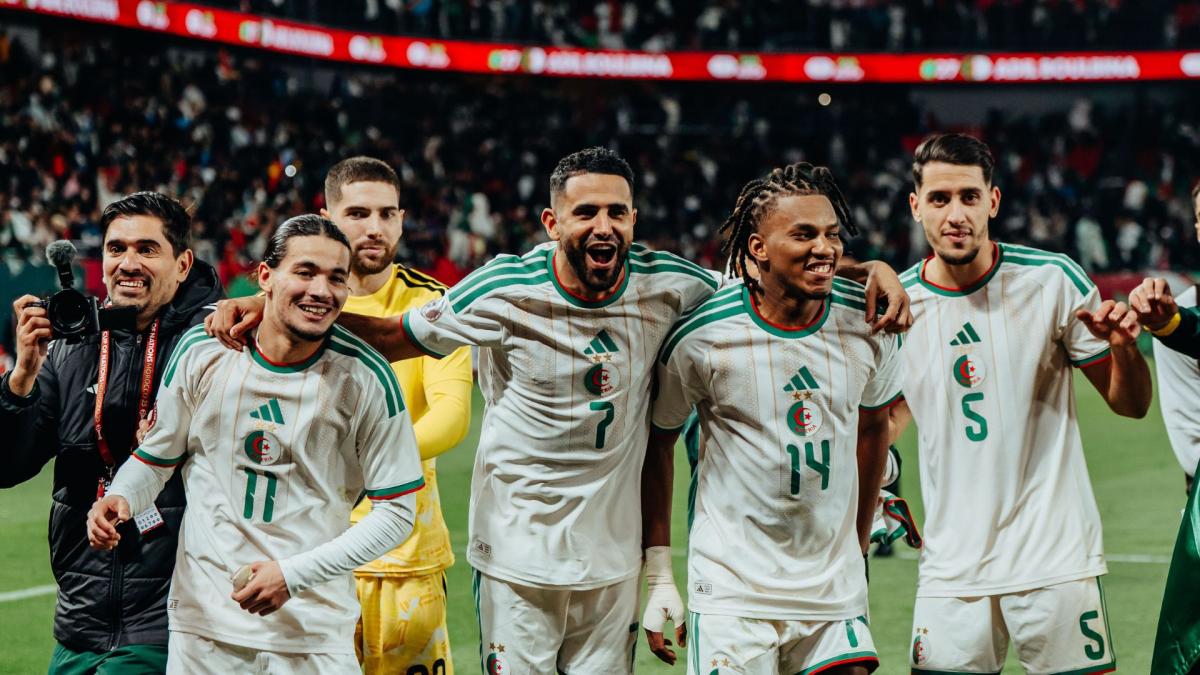
Algeria’s Disillusionment: Analyzing the CAN Quarter-Final Exit
The recent elimination of Algeria in the quarter-finals of the Africa Cup of Nations (CAN) against Nigeria encapsulates a journey filled with hope that ultimately fell short. While the team performed better than in previous editions, their inability to capitalize on their strengths resulted in a disappointing end. As we are only six months away from the World Cup, the Algerian team faces many challenges that must be addressed to restore national pride and competitive spirit.
The Defensive Strength: A Silver Lining
One of the few positives from Algeria’s campaign was the defensive solidity displayed throughout the tournament. The partnership of Bensebaini and Mandi provided a robust backbone, allowing the Fennecs to withstand various offensive waves from opposing teams. The emergence of Rafik Belghali on the right and a reliable defensive structure featuring Ait-Nouri and Hadjam bolstered this crucial aspect of the game. The presence of Luca Zidane in goal also added a level of reassurance, making for a promising defensive lineup as they prepare for the upcoming World Cup.
Offensive Challenges: A Cause for Concern
Despite the solid defense, the offensive side of Algeria’s game raised significant concerns. The team managed to score only eight goals across five matches; however, these efforts mostly came against weaker opponents. They struggled to convert possession into meaningful scoring opportunities, which raises questions about the effectiveness of their attacking leaders. Stars such as Riyad Mahrez and Mohamed Amoura failed to shine, and the only sparks of creativity appeared from Ibrahim Maza, who still faltered to create cohesive attacking plays.
Against Nigeria, this lack of offensive inspiration became painfully evident. The Fennecs were unable to register a single shot on target, indicating a worrying disconnect among the attacking players. The absence of well-constructed action plays left the team floundering, highlighting the pressing need for a better-oiled offensive animation.
Tactical Troubles: Petkovic’s Decisions Under Scrutiny
As the squad grapples with these offensive issues, the question arises: Is Vladimir Petkovic the right man for the job? Although his record of 19 victories from 25 matches is commendable, his tactical decisions during the tournament have drawn criticism. The decision to start a frail Amoura against Nigeria’s robust defense exemplified these tactical missteps. A more suitable choice, such as Bounedjah, may have provided the firepower needed to challenge Nigeria effectively.
Moreover, his choices regarding the lineup, such as favoring Farès Chaïbi over more dynamic players like Ibrahim Maza, left fans and analysts alike bewildered. These strategic errors indicate an inadequate analysis of the competition and a failure to harness the best available talent when needed most. The insistence on starting players who perform poorly instead of adapting the strategy according to the situation poses a risk that Algeria may not overcome.
The Road Ahead: A Call for Reflection
As the Algeria Football Federation expresses its support for Petkovic, the coach must quickly address these pressing issues. With the World Cup approaching, he has little time to rectify the problems plaguing the offense and fully prepare the team to reclaim its status among the continent’s elite. Algeria’s players must harness their collective talent, but they need guidance that inspires confidence and tactical coherence.
Only through a concerted effort to address their offensive struggles and refine their tactical approach can Algeria hope to avert further disillusionment on the world stage. With time ticking away, the future of Algerian football hangs in the balance, making the upcoming months critical for any chance of resurgence.