
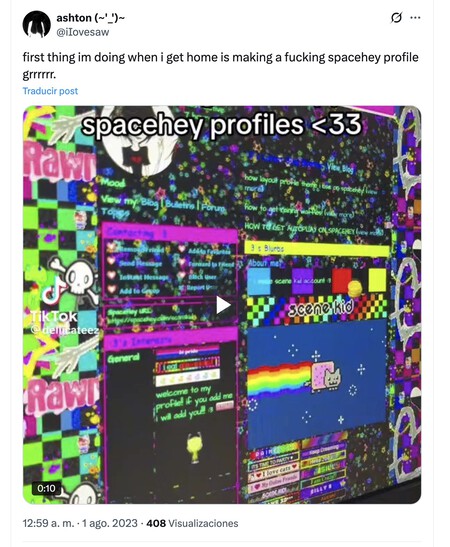
In a recent thread on Reddit’s r/Millennials, a user named Blue_Bi0hazard discussed their experience with SpaceHey, a curious MySpace clone that has attracted a wave of nostalgic users. The user expressed gratitude for the new platform for its focus on personalization. “I can’t stand today’s social media,” they stated. “There is hardly any personalization; everything is gray and simplified.” This sentiment echoes a longing many feel for the early days of the Internet, reminiscent of platforms like MySpace or Tumblr, where users genuinely felt that their profiles represented their identities.
The user’s second point of contention was the overwhelming algorithms that dominate major social media sites today. “Your feed is chronological,” they remarked regarding SpaceHey, “rather than what Facebook or Twitter think you should see, plus the damn ads.” These criticisms are not merely nostalgia; they highlight a significant shift in how users interact with the digital landscape and have sparked a modest yet noteworthy revolution.
More users are gravitating towards platforms like SpaceHey or even relics from the past like GeoCities or NeoCities. While their impact might seem marginal, they signify a deeper digital demand—an unyielding desire to reclaim personal space in an online world that has become increasingly homogenized.
Beyond Nostalgia
What lies behind these nostalgic gestures is a yearning for something deeper—a desire to reclaim personal corners in a vast sea of feeds that feel impersonal and algorithmically driven. This return to platforms reminiscent of the early Internet is not just about decoration; it’s a silent protest against the commercialization of online spaces and a rejection of being reduced to mere data points and consumers.
Reflecting on the Internet of the 2000s evokes memories of a chaotic yet vibrant digital landscape. Back then, browsing the web was akin to digital zapping, where amateur blogs coexisted with local forums and profiles complete with flashy GIFs. The early Internet, powered by platforms like GeoCities, LiveJournal, and MySpace, was characterized by spontaneity, personal expression, and a distinct lack of algorithms .
Fast forward to today, and users feel inundated by standardized platforms like Facebook and Instagram that promote uniformity over individuality. The Internet has transformed from a personalized space to a commercialized entity, reducing profiles to sterile showcases. With the commodification of online interaction, user experiences are dictated by algorithms and advertisements rather than genuine content.
The “Enshittification” of the Internet
This shift has led to widespread digital fatigue, a sensation many users experience daily as they navigate a sea of repetitive ads and content. The term “enshittification“—coined by writer Cory Doctorow—captures this phenomenon. In Doctorow’s analysis, platforms initially excel at serving users but eventually prioritize monetization at the expense of user experience.
He explains, “At first, they are great for the end users. Then they find ways to retain those users… and start making the product worse to get more value.” This degradation becomes apparent as platforms impose mandatory subscriptions and use algorithms to dictate user experiences. The original allure of opening a blog or sharing a personal story has shifted towards generating clicks and maximizing engagement.

As a result, the Internet transforms from a purveyor of exploration into a medium of consumption. Users become mere data points within a larger advertising framework, undermining the original spirit of openness and creativity that characterized earlier iterations of online spaces. “Nothing seems genuine anymore,” one Reddit user remarked, encapsulating a collective sentiment that many share regarding contemporary online experiences.
Reviving MySpace
Amidst this backdrop, platforms like SpaceHey, established in 2020, mirror the essence of MySpace while offering users a chance to engage in a more personalized manner. Created by German developer Anton Röhm, SpaceHey enables users to express their creativity through vibrant and distinctive profiles that stand in stark contrast to contemporary design norms.
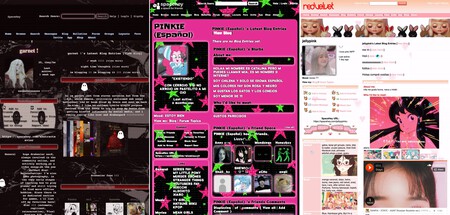
Long live the wild and original internet.
With around two million users, SpaceHey encapsulates the essence of personalization that’s long been missing from mainstream social media. While it may not seek to compete directly with giants like Facebook or Instagram, it provides a sense of autonomy and freedom that many users crave. However, as is often the case, initial excitement may wane, leading users to engage sporadically or abandon the platform.

Moreover, other platforms like NeoCities, a tribute to GeoCities, and Tilde.club, offer similar experiences aimed at users seeking to craft their digital corners without the constraints imposed by algorithm-heavy platforms. The DIY ethos prevails, inviting users to revel in the quirks and imperfections of personal expression, while providing a space that encourages genuine interaction away from commercialization.
Ultimately, these platforms aim to cultivate a sense of community and individuality that has been overshadowed by the corporate-driven narratives of mainstream social media. The exploration of sites like SpaceHey encourages users to discover content serendipitously, fostering a genuine connection to the online experience, one that transcends the sterile feeds of today’s giants.

What these users are really searching for is a new digital reality—a less corporate, less monitored version of the Internet that fosters creativity and personal connection, rather than commodification. In this sense, the longing for MySpace is less about a platform and more about reclaiming the spirit of early online adventures, where curiosity and experimentation reigned supreme.