
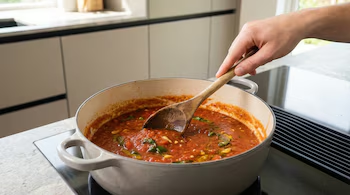
How Carrots Combat Tomato Sauce Acidity
Preparing homemade tomato sauce often presents the challenge of balancing flavors, especially when acidity overpowers natural sweetness. Various chefs and gastronomy experts recommend incorporating carrots during cooking to significantly reduce acidity and provide a smoother palate experience.
The Role of Carrots in Tomato Sauce
The carrot is noted for its ability to introduce natural sugars, acting as a balancing agent against the acids found in fresh or canned tomatoes. Reports from BBC Good Food highlight that the subtle sweetness released from carrots during cooking is sufficient to counteract acidity without resorting to refined sugar.
This view aligns with insights from Serious Eats, which emphasizes how the fiber and sugars in carrots integrate gradually into the sauce. This integration leads to a more natural and less harsh balance of flavors.
Optimal Cooking Techniques
The general recommendation is to add a peeled and grated carrot at the beginning of the cooking process. This maximizes the transfer of sweet components and promotes a uniform sauce texture. Cooking the carrot alongside onion and garlic enhances the aromatic base, creating a harmonious balance between sweetness and acidity.
Experts assert that carrots do not alter the primary tomato flavor; rather, they soften the sharp acidic notes that may deter some consumers. The recommended amount of carrot usually varies from half to one piece for every kilogram of tomatoes, allowing for personal taste adjustments depending on the type of tomatoes used.
Crafting the Perfect Tomato Sauce
The foundation for an optimal tomato sauce involves selecting fresh, high-quality ingredients. This includes ripe tomatoes, onions, garlic, extra virgin olive oil, and a carrot. Experts advise sautéing the onions and garlic first before adding the chopped tomatoes and grated carrot. Maintaining slow cooking is crucial for flavor development.
Additional insights from Serious Eats stress the importance of stirring the sauce periodically and keeping the heat low. This controlled cooking environment allows flavors to meld beautifully. Salt and pepper should be added incrementally, adjusting as cooking progresses.
For those desiring a milder sauce, The Vanguard suggests removing the carrot at the end or shredding it along with other ingredients. This flexibility makes the recipe adaptable for various dishes such as pasta, pizza, or stews.
Enhancing Flavor with Fresh Herbs
As noted by BBC Good Food, adding fresh herbs like oregano and basil not only enhances the sauce’s aroma but also adds another flavor layer. Incorporating extra virgin olive oil contributes fruity notes and a silky texture. For a polished finish, filtering the sauce with a fine strainer ensures a smooth texture devoid of solid remnants.
Conclusion
The technique of adding carrots to tomato sauce has become a favored methodology among both professional chefs and culinary enthusiasts. This simple yet effective strategy enables the creation of a balanced, flavorsome sauce, perfectly suited for a variety of dishes and preferences.