
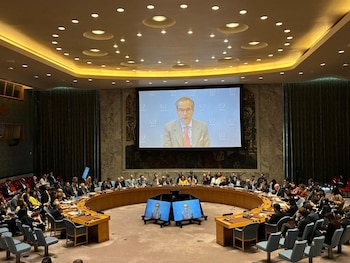
The ongoing tensions surrounding Iran’s nuclear program have once again escalated, underscoring a complex interplay of international relations, national security, and diplomatic efforts. On Wednesday, Rafael Mariano Grossi, the general director of the International Atomic Energy Agency (IAEA) , publicly advocated for the reinstatement of inspectors in Iran to assess the impacts of recent bombings attributed to both Israel and the United States.
Grossi stated, “We need to return,” emphasizing that the return of IAEA inspectors is his “number one priority.” The need for verification of the situation in Iran has become increasingly crucial given the allegations of damage due to military actions. He believes that international oversight is vital, arguing that the global community cannot afford the interruption of the inspection regime. Grossi has been in talks with Iranian Minister Abbas Araqchi to explore modalities for continued inspections.
The backdrop of these discussions is a recent resolution passed by the Iranian Parliament , which aims to suspend cooperation with the IAEA. This legislative move is reportedly a response to Tehran’s accusations against Grossi, asserting that he has compromised the integrity of the non-proliferation regime. The spokesperson for the Iranian Parliament, Esmaeil Baqaei, criticized Grossi for using the IAEA as “a tool” for the interests of nations that do not adhere to the Nuclear Non-Proliferation Treaty (NPT). This includes Israel, which is not a signatory and reportedly possesses nuclear weapons.
In the narrative surrounding this conflict, accusations have flown between Iran and its adversaries. Israel has denounced Iran’s nuclear ambitions, claiming that its military actions target an alleged nuclear weapons program. Tehran, for its part, maintains that it does not have a military nuclear program and has consistently refuted such claims. The timing of the recent bombings raises eyebrows, given that they occurred just days before a scheduled diplomatic meeting between Iran and the United States. This would have marked the sixth round of negotiations stemming from the 2015 nuclear agreement , which sought to restrict Iran’s nuclear capabilities in exchange for the lifting of sanctions.
The 2015 deal , known as the Joint Comprehensive Plan of Action (JCPOA), was significantly disrupted when former U.S. President Donald Trump unilaterally withdrew from the agreement in 2018. Since then, Iran has gradually stepped back from its commitments, enriching uranium to levels closer to weapon-grade, which has raised alarm in Washington and beyond. Grossi’s insistence on the necessity of inspections is closely tied to these developments, and his call for international cooperation reflects deep-seated concerns regarding nuclear proliferation in an already turbulent region.
The consequences of a potential Iranian withdrawal from the NPT could be dire. Grossi characterizes such a move as “very unfortunate,” warning that it would lead to increased international isolation for Iran, alongside an escalation of problems on various fronts. He stated, “I hope it does not happen. I do not think this helps anyone, starting with Iran.” The IAEA’s role in monitoring Tehran’s nuclear activities has been a point of contention, and its future efficacy may very well depend on diplomatic outcomes in the coming weeks and months.
As the situation develops, it remains apparent that the diplomatic landscape surrounding Iran’s nuclear program is fraught with uncertainty. Grossi’s views illuminate the precarious balance between national security interests and the broader quest for nuclear non-proliferation. The intricate dynamics involving Iran and its adversaries underscore a pressing need for dialogue and transparency, which have often been overshadowed by political posturing and military actions.
In conclusion, the unfolding events in Iran represent a pivotal moment for international diplomacy, particularly concerning nuclear non-proliferation efforts. The actions taken by both the Iranian government and international bodies like the IAEA will significantly influence the future of not just Iran, but the entire region, as the stakes continue to rise in a complex global environment.
General News – 2