
Spain Faces U.S. Criticism Over Military Spending Ahead of NATO Summit
As the NATO summit takes place in The Hague, Spain finds itself amidst a storm of criticism. U.S. President Donald Trump has publicly called out Spain’s military spending, suggesting it poses a significant challenge for the alliance. As global tensions rise, this issue has become increasingly pivotal, highlighting the divergent priorities among NATO member states.
Trump’s Criticism of Spain
In his remarks before the summit, Trump stated, “There is a problem with Spain,” criticizing the country for not meeting NATO’s military spending standards. His comments come as a reaction to Spain’s reluctance to meet the 5% GDP defense spending commitment that has become a focal point of NATO discussions. The U.S. has long urged European nations to increase their military spending, arguing that it is vital for collective security.
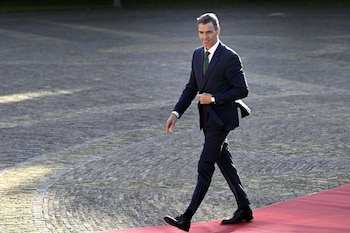
Despite Trump’s comments, Spanish Prime Minister Pedro Sánchez arrived in The Hague for the summit and attended the official dinner hosted by the Dutch royal family. This marked an effort to maintain diplomatic relations and showcase Spain’s commitment to NATO, amid rising tensions with the U.S.
Spain’s Position on Military Spending
Spanish government officials are, however, keen to highlight that they do not feel bound to meet the 5% spending target. Government sources indicate that the agreements made at the summit allow for flexibility in defense spending without a strict adherence to this percentage. Instead, the emphasis is on fulfilling NATO’s military requirements, which Spanish officials interpret as less rigid than Trump’s portrayal.
The government claims that the amendments to NATO’s final document, which Sánchez is expected to sign, provide Spain the latitude to invest in military capabilities at a pace that suits its sovereign agenda. This approach reflects a broader strategy among European nations to tailor their defense commitments based on national interests and regional security dynamics.
Comments from Trump and the Media
Despite Spain’s assurances, Trump’s remarks have generated headlines and stirred controversy. His assertion that America should not have to bear a disproportionate share of NATO costs has positioned Spain as a primary target within the alliance. Trump’s highlights of military spending disparities have led to intense scrutiny from both domestic and international media.
Moreover, the U.S. President has criticized European nations for prioritizing infrastructure investments over defense spending. He referenced a social media post that featured a graphic illustrating the military spending levels among NATO member states, emphasizing Spain’s status as the lowest spender in the alliance.
This graphic became a focal point for concerns about Spain’s influence on NATO discussions, with the U.S. President suggesting that Spain could derail critical negotiations at the summit.
Meeting of Leaders
As the summit progresses, Spain’s Prime Minister will engage in discussions about military spending and overall European security. The first opportunity for Sánchez and Trump to interact will occur during the official dinner, where they will face each other for the first time since the public exchange of barbs.
Scheduled meetings on June 25 will see NATO leaders engage in deeper discussions about military readiness, strategic goals, and collective defense strategies. Sánchez is expected to address these issues in a press briefing later in the day, perhaps clarifying Spain’s stance amidst ongoing scrutiny from the U.S.
Conclusion
The backdrop of rising geopolitical tensions underscores the importance of cooperation among NATO allies. Spain’s response to U.S. criticism and strategic prioritization will be closely watched, as the outcome of the summit may well influence future defense strategies within the alliance. Ultimately, the balancing act between national sovereignty and collective security will continue to play a crucial role in shaping NATO’s actions in the coming months.