
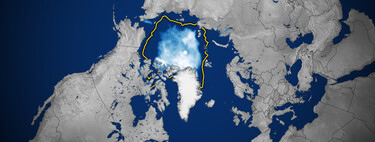
The Arctic Ocean: A Ground Zero for Climate Change
The Arctic Ocean is an essential area of focus in the fight against climate change . Previously insulated by thick polar ice, this vast and frigid body of water is experiencing changes that threaten its very ecosystem and species that inhabit it. The recent disruption of a natural barrier due to rising temperatures has become evident through a groundbreaking study led by researchers at the British Antarctic Survey (BAS) .
The Arrival of Invasive Species
The barrier falls. The study in question reveals evidence of the arrival of an invasive species , specifically a type of barnacle known as Amphibalanus Impherevisus , to the waters of the Canadian Arctic. This marks a pivotal point, as the previously inhospitable cold waters begin to lose their efficacy in preventing the establishment of non-native species.
These barnacles are often confused with another variant called Cornucopia policipes . However, their impact on the marine ecosystem is alarming rather than beneficial. Unlike other species that might serve as food sources, these invasive barnacles can disrupt local habitats and infrastructure.
The Role of Environmental DNA (eDNA)
The researchers utilized a cutting-edge technique known as environmental DNA (eDNA) barcoding . This innovative method allows scientists to collect and analyze genetic material that organisms shed into the environment through waste, cells, or other biological materials. By analyzing water samples, the research team was able to confirm the presence of Amphibalanus Impherevisus , even without physically capturing a specimen.
The findings of this significant research were published in the esteemed journal Global Change Biology , shedding light on how academic investigations can offer early warnings about ecological shifts.
Climate Change: The Root Cause
Climate change, the great suspect. The Arctic region is rapidly becoming one of the most affected areas by climate change, where two major factors contribute to this ecological imbalance. First, the increase in maritime traffic has altered traditional shipping routes due to melting sea ice. As temperatures rise, the Arctic becomes more navigable for larger vessels.
Secondly, those rising temperatures render the Canadian Arctic’s waters less hostile for non-native species. Elizabeth Boyse, who led the study, indicated that the surge in shipping, fueled by a thawing Arctic, opens new avenues for invasive species to thrive. “With fewer barriers to survival, invasive species are more likely to establish new populations in these warming waters,” she explained in a press release.
Further Research Needed
An issue to clarify. Despite these alarming findings, the research team acknowledges that further studies are needed to ascertain the extent of the invasion . It’s crucial to determine whether the DNA detected corresponds to transient larvae or establishes a more stable population. Future investigations may include direct observations to complement DNA analysis and provide a fuller picture of the ecological changes occurring in the Arctic waters.
Overall, the Arctic Ocean is not merely a body of snow and ice; it also serves as a litmus test for climate change on a global scale. As invasive species like Amphibalanus Impherevisus begin to penetrate this delicate ecosystem, a ripple effect may be felt not only in local biodiversity but also in broader ecological interactions around the world. The implications are significant, necessitating immediate attention from climate scientists and policymakers alike. Every bit of data can help inform strategies to combat this crisis before it’s too late.