
The Hidden Costs of Lithium Extraction in Chile
Lithium has become the new “white gold,” an essential component in the global energy transition. Its importance spans the creation of batteries for electronic devices and essential systems needed for decarbonization, such as electric vehicles and renewable energy storage. However, the extraction of lithium presents a significant issue: it requires vast amounts of water.
Chile, home to some of the world’s largest lithium reserves, exemplifies the hidden costs associated with this highly valued resource. This situation raises pressing questions about sustainability and environmental health as the world grapples with the need to “save” the planet.
Atacama Desert: A Unique Ecosystem
The Atacama Desert, located in northern Chile, is the driest desert in the world, being 250 times more arid than the Sahara. While it might appear to be a barren wasteland, the desert hosts a variety of natural wonders. It is home to enormous solar farms—over 500 operational projects and another hundred under construction—that proudly drive the country’s energy ambitions. Additionally, the region is rich in various minerals, including crucial resources like copper, iron, gold, and, most critically, lithium.
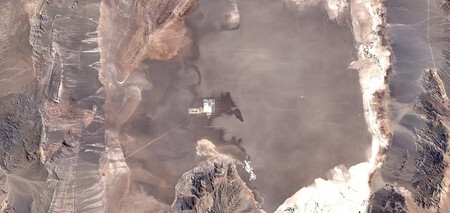
Salar in 1995
Among the most notable areas in the region is the Salar de Atacama, which contains concentrated lithium deposits that have allowed Chile to be a leading global lithium exporter for over two decades. The Chilean government retains ownership over lithium, classifying it as “non-concessionable” and enabling only special contracts for foreign firms to exploit it.
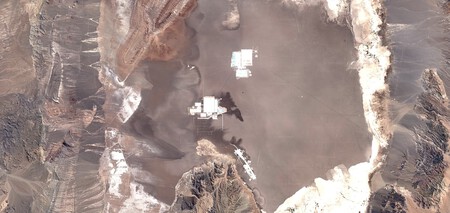
In 2005
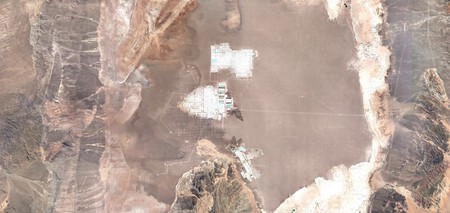
And today
Ecosystem Transformation
As illustrated in the images above, the landscape of the Salar has dramatically transformed from 1995 to today, showcasing increasingly extensive lithium farms and substantial evaporation pools. The process of lithium extraction involves the evaporation of brine, consuming billions of liters of water each year sourced from both the surface and subsoil.
This industrial activity has led to alarming consequences such as land sinking, loss of vegetation, and a decline in the region’s rich biodiversity, including its iconic flamingo population. Biologist Faviola González, associated with the Chilean National Reserve, has raised concerns regarding the dwindling numbers of flamingos. The impact is severe; a report by the Natural Resources Defense Council revealed that nearly one-third of native Algarrobo trees began to die in 2013, a stark indicator of the broader environmental degradation linked to lithium mining.
Indigenous Rights and Legal Action
Concerns over the transformation of the ecosystem have led to legal actions, particularly from indigenous communities who argue that their water resources are degrading and their cultural identity is being threatened. Despite being based in a desert, Atacama is rich in biological resources. Yet, the significance of lithium to Chile’s economy complicates these issues.
Chile sits within the ‘Lithium Triangle,’ alongside Bolivia and Argentina, holding a pivotal position as the second-largest producer and possessor of the largest reserves globally. The economic weight of lithium is staggering, with projected export values reaching $2.895 billion in 2024. The demand for lithium is expected to exceed 1.3 million tons by 2025, with forecasts suggesting it could triple by 2040.
Mitigating Environmental Damage
This raises a crucial question: if lithium is necessary to help decarbonize the planet, how can the environmental damage associated with its extraction be mitigated? Companies like SQM Lithium assert their understanding of indigenous communities’ concerns and claim to be implementing pilot projects to lessen the impact of mining. Innovative methods such as extracting lithium directly from brine without evaporation pools and reinjecting water back into the earth following extraction are in development.
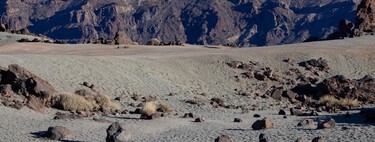
However, these measures have not satisfied local communities who have witnessed their ecosystems disappear. They argue that the environmental costs are extensively high, while the benefits primarily flow to consumers and companies in wealthier nations.
It is essential to recognize that at some point, lithium reserves will dwindle. Once they do, the miners will depart, perhaps leaving behind a compromised ecosystem. As the world continues to demand lithium, the urgent need to balance economic interests with environmental preservation is not only necessary but imperative.