
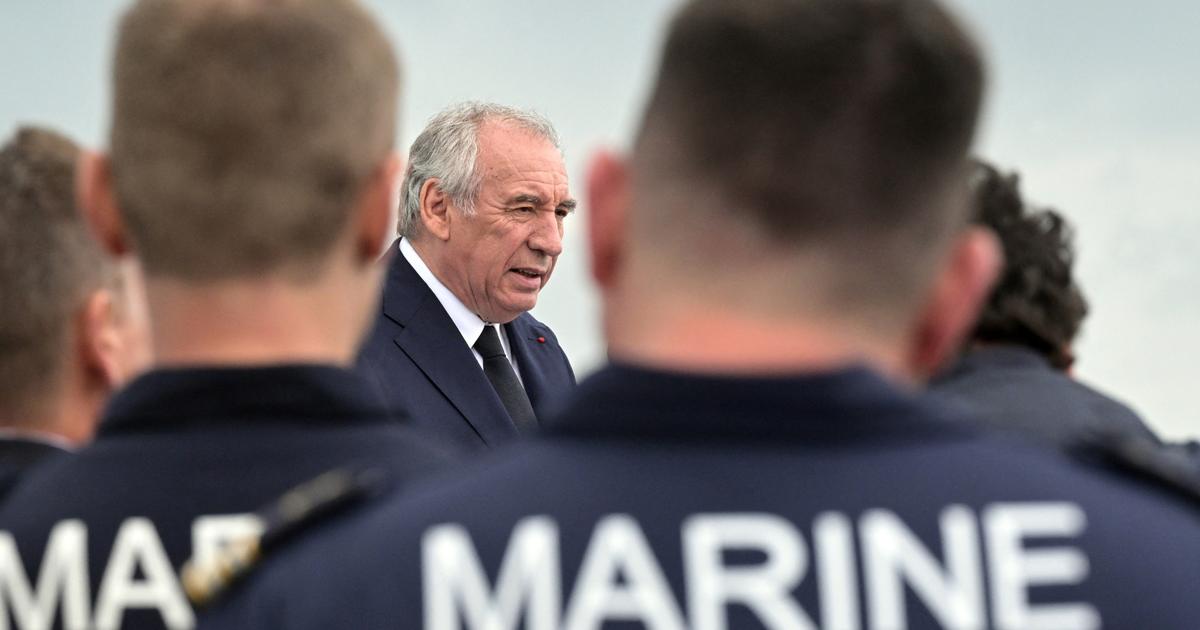
Increasing Drug Seizures in Arabian Sea: A Major Victory for Maritime Authorities
The Arabian Sea has become a focal point for international maritime authorities in their ongoing battle against drug trafficking. Recent operations conducted by the French Navy have highlighted the persistent issue of illegal drug transport in this critical body of water. With significant success, the French forces have revealed a worrying trend that calls for immediate attention and action from nations around the world.
Major Drug Bust by French Navy
On May 27, 2025, the French Navy announced a monumental seizure of nearly five tons of narcotics from traditional boats operating in the Arabian Sea. The estimated street value of this confiscated cargo is around 70 million euros. This large-scale operation saw a French naval vessel intercept four unflagged dhows in the Indian Ocean. According to the Indian Ocean maritime command based in the United Arab Emirates, the cargo included substances such as heroin, methamphetamine, and cannabis.
Context of the Operations
The operations conducted by the French Navy are part of a broader strategy to combat illicit trafficking in the Arabian Sea, particularly targeting shipments aimed at Europe and France. The revelation of this successful operation emphasizes the ongoing struggle against the rampant drug trade that plagues not just the region but global security as well. The integrity of international waters has become increasingly compromised by these illicit activities.
The Scale of Drug Trade
The region is not new to the fight against narcotics. In 2024 alone, the French Navy confiscated over 48.2 tons of narcotics, showcasing its dedication to fighting this debilitating issue. This continuous effort is crucial as the Arabian Sea serves as a primary trade route, with a significant portion of the world’s commercial shipping traffic passing through these waters.
Impacts on International Security
The statistics speak volumes; the increase in drug trafficking has qualitative and quantitative implications. More than just a health issue, the drug trade fuels an extensive network of organized crime that poses a significant risk to international security. When countries collaborate to confront such matters, they not only disrupt trafficking routes but also demonstrate a unified stance against organized crime.
Collaboration with Other Nations
The French Navy’s efforts are complemented by international alliances and treaties that aim to fortify maritime security. For instance, the Indian Navy has also performed notable operations in the Arabian Sea, seizing over 2.5 tons of narcotics valued at 8 million dollars earlier in April. Working as part of international coalitions such as the Combined Maritime Forces (CMF) has significantly enhanced the effectiveness of these operations. Established in 2001, the CMF aims to counter illicit activities in the Gulf waters that are vital to global trade.
Tactical Innovations in Maritime Operations
The successful seizure of drugs by the French Navy illustrates the effectiveness of modern tactics employed in maritime operations. Advanced radar technology and aerial surveillance are playing pivotal roles in identifying suspect vessels in real-time. Moreover, increasing collaboration with local governments enhances the capacity to share intelligence, thereby bolstering maritime security.
Environmental Implications
Interestingly, while the primary focus remains on countering drug trafficking, these operations indirectly benefit environmental sustainability as well. Drug trafficking often leads to the overexploitation of resources and can contribute to environmental degradation in coastal regions. By dismantling these networks, maritime authorities contribute not only to public safety but also to ecological well-being.
Community Involvement
The local communities affected by drug trade are always the most vulnerable. Efforts to combat narcotics trafficking should ideally include educational programs aimed at raising awareness about the risks associated with drug trafficking. Helping to create job alternatives for communities dependent on illegal activities is paramount for long-term solutions.
Future Directions
Going forward, it is essential for nations to remain vigilant and engaged in cooperation across borders. The fight against drug trafficking in the Arabian Sea is far from over. With an increasing demand for narcotics in Europe and beyond, maritime authorities must continuously adapt and address emerging challenges.
Conclusion
As maritime authorities continue to respond to drug trafficking activities effectively, increased collaboration and advanced technologies will be crucial for future successes. Reports of recent successes emphasize the need for relentless efforts against these crimes.
Le navire était déployé en mission de lutte contre les trafics illicites et opérait en eaux internationales en mer d’Arabie, selon un communiqué publié ce mardi.