
Colombia’s Defense Budget Crisis: A Deepening Concern
In a nation grappling with ongoing security challenges, the proposed military budget for Colombia has ignited heated discussions and raised alarms among security officials. Retired Colonel Carlos Soler has emerged as a vocal critic, questioning the government’s commitment to national security amidst a significant budget cut as projected for 2025.
Soler’s poignant remarks were shared via social media, expressing his concerns over what he termed as a “strong national controversy” surrounding the military budget. According to the Colonel, only 61.2 billion pesos were approved for the defense sector, translating into an 18% reduction from the 73.6 billion pesos initially requested by the General Command of Military Forces. This decrease poses a serious threat to the operational capacity of Colombia’s military and police forces in fulfilling their responsibilities to protect citizens.
The Implications of a Budget Cut on Security Operations
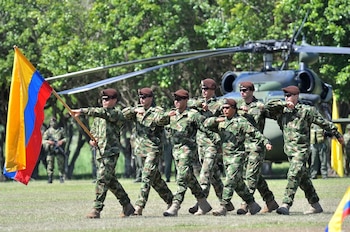
Soler warned that the ramifications of such budgetary decisions might result in catastrophic consequences for national security operations . He unveiled alarming statistics, stating that essential military equipment like the M-17 helicopters and Black Hawk helicopters are largely grounded due to resource shortages, thus hampering the force’s ability to respond effectively to security threats.
“ There are no helicopters; all M-17s are on land ,” Soler emphasized. He further noted that logistical constraints mean soldiers and police are often left without adequate transport while armed groups move about freely. Such a situation not only jeopardizes national security but also increases the risk for both law enforcement and civilians in conflict-laden areas.
Total Peace or Total Chaos? A Policy at Odds
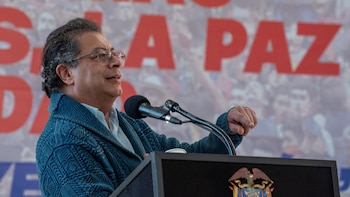
The retired colonel also linked the current operational challenges to President Gustavo Petro’s total peace policy , which he accuses of undermining the military’s effectiveness. He stated, “ Who let the illegal armed groups advance? The president did. ” This declaration reflects growing frustration over perceived failings in addressing the increasing violence from armed factions.
The Government’s Response and Future Outlook
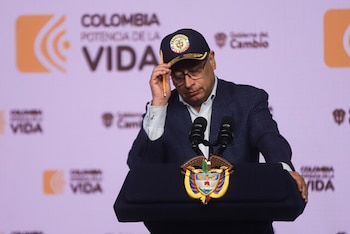
In response to the allegations coming from the military ranks, President Petro refuted the claims, declaring, “ A pleaded disinformer has emerged, simply a liar.” His administration states a commitment not only to the dignity of the soldiers but also to modernizing military capabilities, ensuring they are well-equipped to face the challenges ahead. He emphasized the need for holistic care for soldiers and taking pride in their contributions to national security.
As tensions continue to escalate regarding military readiness, the retired colonel’s comments reflect deep-seated fears regarding the impact of budgetary decisions on Colombia’s security landscape. Local citizens are left to wonder about the balance between fighting crime and maintaining the dignity and capabilities of their forces. Potential legal actions being considered against the government highlight an intensifying struggle between military necessities and political decisions.
In an era marked by a growing focus on civilian safety , public discussions about the military budget are crucial, especially where the nation’s security is concerned. The intricate dance between fiscal responsibility and military readiness will ultimately define the outcome of Colombia’s security approach in the years to come.