
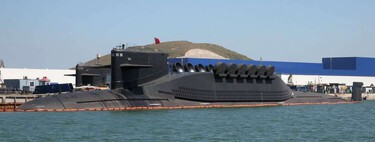
Renewal of the Spanish Navy: The Sale of the Tramontana Submarine
The Spanish Navy has begun a major renewal process, phasing out older vessels to make room for more advanced technology. Recently, one of the last submarines of the S-70 family, the Tramuntana, was put up for sale, marking the end of an era for Spain’s submarine force. For nearly 40 years, the Tramuntana served as a critical component of Spain’s maritime defense strategy.
Pricing and Details of the Sale
Interestingly, the starting price for the Tramuntana is approximately €138,468.53—just slightly more than a luxury smartphone like the Xiaomi SU7 Ultra. This sale is more than a mere transaction; it represents a significant step in Spain’s ongoing efforts to modernize its military capabilities.
The Tramuntana, launched in 1984 and commissioned in 1985, is a notable example of the S-70 series submarines, based on French Augusta designs. Measuring around 68 meters in length and capable of carrying 60 crew members, the submarine is equipped with four torpedo tubes and operates on a dual propulsion system. This allows it to remain submerged for up to 45 days without surfacing, enhancing its operational flexibility.
Decommissioning and Auction Process
After extensive service, the Tramuntana was decommissioned in February 2024 as Spain awaited the deployment of its next-generation S-80 submarines. It was officially immobilized at the Cartagena Military Arsenal, waiting for its fate as scrap metal.
The sale is open only to serious bidders, with interested parties required to make a provisional deposit equivalent to the base price. A unique aspect of the auction is the inclusion of a 20% final deposit based on the final auction price, enhancing the accountability of the sale.
Historical Significance and Future Prospects
The Tramuntana’s decommissioning has sparked nostalgia among many, reminiscent of other emblematic vessels like the Prince of Asturias aircraft carrier, which faced a similar fate. The transition from operational submarines to scrap metal reflects broader trends in military logistics and asset management. If initial bids for the Tramuntana do not match expectations, three additional auctions will be held weekly, with discounts applied, showcasing the urgency and significance of this sale.
The submarine also serves as a reminder of its proud history, having participated in various NATO missions and patrolling sensitive areas such as the waters surrounding the Perejil islet during a territorial dispute with Morocco in 2011.
Conclusion: The Cycle of Military Renewal
The end of the Tramuntana’s service marks a critical juncture in Spain’s military evolution. With the S-80 submarines on the horizon, the fleet’s modernization signals a generational leap in capabilities, more suited to contemporary maritime needs. The remaining veteran submarines, including the S-71 Galerna, currently in operation, may soon face a similar fate as Spain’s naval strategy pivots towards a new era.
In a volatile global landscape, Spain’s decision to upgrade its naval fleet is undeniably a proactive measure to ensure defense readiness. Better to convert aging assets into resources than maintain them as unproductive liabilities.
Images | José María González, Alberto Hernandez