
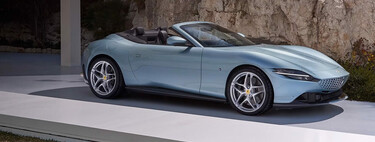
Unless you’ve been lost on a remote island in the middle of the Pacific for the last 36 hours, there’s a good chance you’ve heard about Ferrari’s recent reveal of its first electric vehicle, the Ferrari Luce.
However, the reception has been overwhelmingly negative. Criticism has poured in from all corners, including notable figures like Luca Cordero di Montezemolo, Ferrari’s former president, who voiced concerns that the brand is “destroying its myth.”
A Shifting Identity
The Ferrari Luce represents a marked departure from the brand’s traditional sporty ethos. Designed by Jony Ive and Marc Newson, this vehicle appears aimed at attracting a new audience by intentionally distancing itself from Ferrari’s iconic performance image. Presently, the electric supercar market seems almost barren, with other erstwhile competitors like the Porsche Taycan and Rimac Nevera struggling to sell.
The Dilemma of Electric Performance
While electric supercars boast unmatched acceleration and cornering, numbers aren’t everything. When brands like Ferrari focus on delivering an exhilarating experience, these electric models falter.
The anecdote about a Tesla Model 3 Performance, which can go from 0 to 100 km/h in just 3.1 seconds, illustrates this dilemma. Although quick, it fails to deliver the soul of a traditional sports car, akin to comparing a lovingly made paella to a bland pharmaceutical pill.
The Experience Factor
When someone buys a Ferrari, they aren’t just investing in a mode of transportation; they are buying an experience. The problem arises when that experience is built on performance metrics that can sometimes feel lifeless. This is especially relevant for electric cars, which prioritize efficiency over engagement.
The roar of an engine, the tactile feel of a manual gearbox, and the smell of gasoline at the pump—all of these sensory experiences are difficult to replicate in an electric vehicle.
Sound Simulation: A Lie Within a Lie
The Ferrari Luce follows a different path with its approach to sound. The vehicle is designed to produce an “authentic” sound through a patented system that utilizes accelerometers to capture dynamic textures and vibrations from the car’s mechanics. While Ferrari markets this as an innovation, it raises fundamental questions about authenticity when electric cars employ simulated experiences to emulate their combustion-engine predecessors.
This strategy is not unique to Ferrari; many automakers, including Mercedes and Toyota, have been dabbling in sound simulation to create driving experiences that resonate with consumers. Yet one must ask: is an electric car’s synthesized roar a genuine representation or a mere illusion?
Conclusion: A New Era of Automotive Aesthetics
The advancement of electric supercars represents more than a shift in technology; it’s a philosophical challenge to long-standing automotive values. As brands like Ferrari adopt new technologies and aesthetics, the question remains whether these innovations can truly satisfy the desires of enthusiasts.
In a shifting landscape dominated by electric vehicles, the essence of what makes a car more than just transportation—its emotional and sensory engagement—could easily be lost. The Ferrari Luce is testament to these ongoing challenges, highlighting the fine line between evolution and identity crisis in the automotive world.