
The Airbus A320: A Journey Through Tragedy and Triumph
If you’ve ever flown within Europe on a short or medium-sized journey, you’ve likely experienced the Airbus A320. This aircraft model has become a staple in European air travel, shaping the landscape of airports and airlines. However, in 1988, the A320 was still a novelty, embarking on its journey with a demonstration flight that would become infamously etched in aviation history.
When an Exhibition Goes Awry
One of the first public flights occurred on June 26, 1988, as a demonstration for spectators, press, and guests at the Habsheim airfield in eastern France. The plane, operated by Air France, was among the initial units of the Airbus A320 series. The goal was to perform a simple flyby at a low altitude, allowing attendees to witness the aircraft in action. What was meant to be a celebratory exhibition soon turned tragic.
The Fateful Flight
The flight originated from Paris Charles de Gaulle Airport and made a brief stop in Basel-Mulhouse for a press conference before continuing to Habsheim. Aboard were 130 passengers and six crew members, including journalists and raffle winners excited for the unique flight experience.
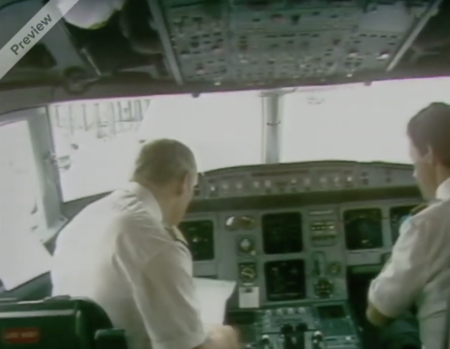
Commanded by two experienced pilots, the flight seemed to proceed normally until descent began. Just three minutes into the descent, the aircraft dropped below the intended altitude, skimming dangerously close to the ground.
Descent into Disaster
Data from the investigation later revealed that the aircraft descended to approximately 30 feet (around 9.15 meters) above ground level, failing to follow the planned descent path. Despite last-minute attempts to regain altitude, the aircraft could not respond in time.
The Airbus A320, flying perilously low, brushed treetops before crashing in the presence of horrified spectators, engulfed in flames. This shocking event marred the demonstration and raised numerous questions regarding safety protocols.
Investigating the Causes
In the aftermath, an investigation by the Bureau d’Enquêtes et d’Analyses (BEA) sought to unravel the incident’s complexities. They identified several contributing factors, including flying lower than necessary, insufficient speed for the maneuver, and belated thrust application during descent.
Pilot Defense and Legal Implications
Pilot Michel Asseline contested the investigation’s findings, asserting that the cabin crew received the flight plan on the morning of the flight, lacked necessary maps, and faced a malfunctioning fly-by-wire control system preventing proper power application. He even alleged possible manipulation of black box data, which later played a significant role in a court case that ensued.
The court ultimately found several individuals guilty of involuntary manslaughter, including both pilots and airline officials. This outcome marked one of the earliest and most controversial episodes surrounding the Airbus A320.
A Legacy Redeemed
Despite the tragedy, the partnership between Air France and the A320 eventually flourished. As of today, Air France operates around 40 Airbus A320-200 aircraft, continuing to incorporate newer models while delivering reliable service across Europe.
The 1988 Habsheim accident serves as a poignant reminder of the importance of safety in aviation. The lessons learned from this tragedy have had lasting implications for flight safety protocols, technology, and pilot training, shaping the industry for decades to come.