
Investigation Launched After Funeral Service Employee Accused of Bribery in Söke
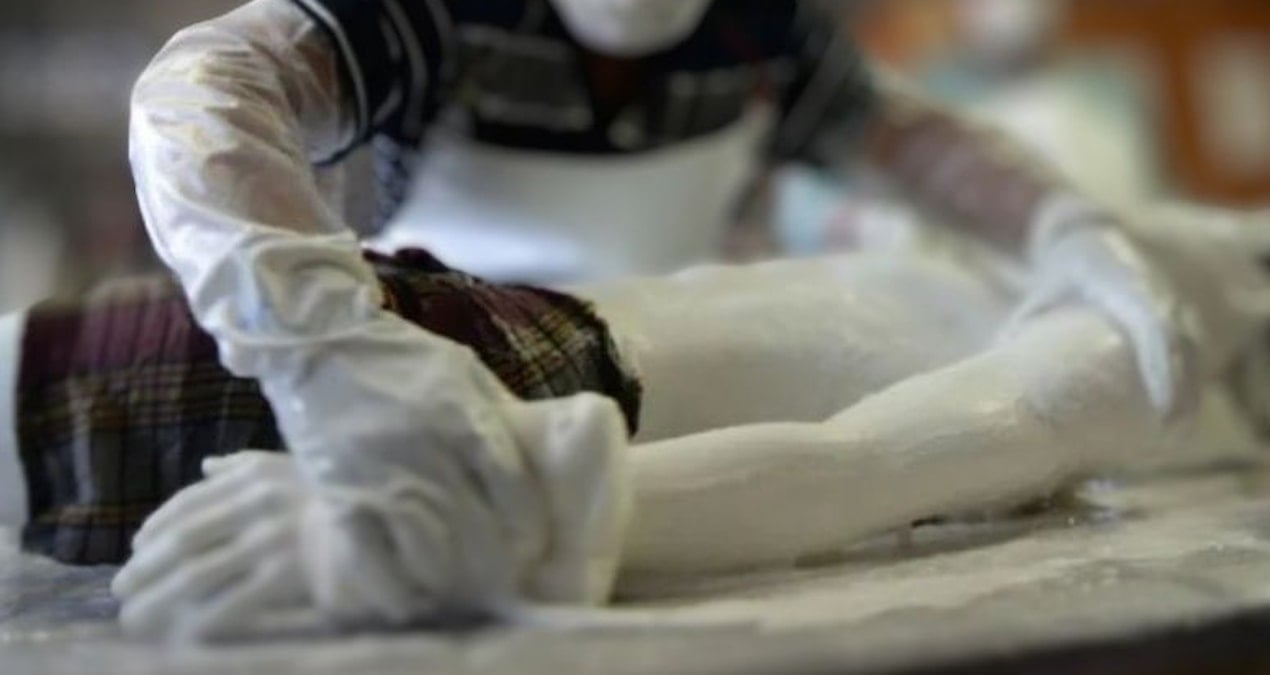
In a shocking turn of events, Söke Fehime Faik Kocagöz State Hospital has become the center of attention following allegations against a funeral service employee, Lokman Millet. He is accused of accepting payments for performing funeral washings, an act that has raised serious ethical and legal concerns.
The case came to light when a complaint was filed regarding Millet’s actions. The Söke Chief Public Prosecutor’s Office quickly sprang into action, launching an investigation into the allegations. Authorities have stated that such actions undermine the sanctity and dignity associated with funeral services, which should be a time for mourning rather than financial transactions.
Investigative Measures and Evidence Collected
In pursuit of the truth, teams from the Söke Smuggling and Organized Crime Directorate conducted a thorough investigation. They reviewed security camera footage and consulted with both victims and witnesses. The findings revealed concerning patterns, prompting legal action against the suspect under the charge of bribery .
The investigation highlighted a deeper issue within institutions that are supposed to uphold public trust. Such allegations can lead to a crisis of confidence in health and funeral services, which are primarily expected to operate with transparency and compassion.
Lokman Millet’s Detention and Charges
Following the investigation, Lokman Millet was taken into custody. Upon completion of the police procedures, he was forwarded to the courthouse, where he was subsequently remanded in custody and sent to prison. This swift action demonstrates the judicial system’s commitment to addressing misconduct within public services.
Initial statements from Millet have raised eyebrows, as he claimed that the money he received was merely donations made under the guise of “charity.” However, this defense has done little to sway public sentiment or the authorities, who maintain that the act of soliciting money in this context is unethical and constitutes bribery.
The Ethical Dilemma in Funeral Services
The incident raises significant ethical questions around the practices within funeral services. While some might argue that the demands of the job warrant some form of compensation, the expectation that individuals pay for what should be an inescapably solemn process sends a disheartening message.
Cultural expectations around funeral rituals vary widely around the world. In many cultures, funerals are more than a mere logistical process; they hold deep emotional significance . Introducing financial transactions in such a sensitive area is not only likely to cause distress to grieving families but could lead to a systematic breakdown of essential values in a society.
Legal Implications and Public Reaction
As the investigation continues, the legal ramifications for Millet could be profound. If found guilty of bribery, he could face severe penalties that not only include imprisonment but could also impact his professional career permanently. Legal experts speculate that this case may set a significant precedent for how similar incidents within public services are handled in the future.
The public reaction has been one of disbelief and horror, with many calling for greater accountability in such services. Sadness over the situation has been compounded by a broader concern—how many similar incidents go unnoticed? Families are already dealing with the loss of a loved one, and the added burden of unethical practices only serves to deepen their grief.
Moving Forward: Ensuring Integrity in Public Services
Given the seriousness of the matter, authorities must act decisively to restore faith in public services. This incident may serve as a call to action, prompting a reevaluation of current practices in funeral services and the establishment of stricter guidelines for ethical behavior.
Ensuring accountability not only protects the sanctity of the services rendered but also promotes transparency and fairness in how these essential services operate.
It is vital for institutions involved with healthcare and public welfare to maintain a standard of integrity that preserves the dignity of those who are vulnerable during their time of loss. The community deserves reassurance that every effort will be made to ensure that such breaches of trust are not repeated.
In conclusion, the events surrounding Lokman Millet serve as a cautionary tale, highlighting the challenges faced within societal norms at a time when compassion should reign supreme. The need for rigorous ethical standards in funeral services becomes unequivocally clear, ensuring the dignity and respect that every individual deserves during their final farewell.