
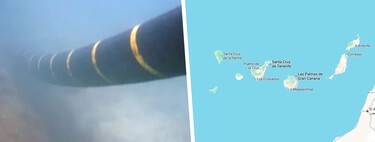
The Deepest Three-Pole Cable: An Engineering Marvel for La Gomera
Recent Blackouts: A Wake-Up Call
On a windy Sunday in the Canary Islands, La Gomera experienced a significant power outage at 12:13 p.m. As reported, 15,610 medium and low voltage points were left without supply due to a complete “zero energy” scenario. This wasn’t merely a case of lights going out; telecommunication systems also failed, and local businesses were thrown into chaos as their electronic transaction systems became inoperative.
This incident highlights the fragility of the island’s energy infrastructure. According to authorities, the cause can be traced back to a destabilization of one of the generators at the El Palmar thermal power plant, leading to a cascading failure of the power system. The age of the equipment has also been cited as a critical factor, raising alarms about the reliability of energy supply on the island.
Swift Recovery: Lessons Learned
In contrast to a previous blackout that left La Gomera in darkness for three days, this time the response was much quicker. Within just 17 minutes, technicians managed to partially restore power, contingent on a gradual re-engagement to prevent another collapse. By 3:25 p.m., full service was back online, although authorities remained vigilant for potential “micro-cuts”.
This demonstrates the escalation in emergency preparedness, but it also sheds light on the pressing need for more robust infrastructure.
Enter the Deepest Tripolar Cable
In response to ongoing energy vulnerabilities, a groundbreaking solution is underway: the installation of the deepest tripolar AC cable in the world. This engineering feat, showcased by the ship Enterprise Cable, began laying the cable in August 2025, reaching depths of 1,145 meters below sea level. This 36-kilometer underwater cable will link the substations of Chío in Tenerife and El Palmar in La Gomera.
Project Benefits
- Connection to the Mainland: La Gomera will be able to receive up to 50 MVA of energy from Tenerife, providing a crucial backup during emergencies.
- Integration of Renewable Energy: The cable will facilitate the island’s decarbonization efforts by allowing it to incorporate more renewable energy into its grid.
- System Robustness: Transitioning to an interconnected energy model will protect against future vulnerabilities in isolated systems.
A Duality of Hope and Irony
While the project promises a solution to the island’s energy woes, the irony remains clear: It will take until early 2026 for the infrastructure to be fully operational. Until then, La Gomera remains reliant on aging technology that has already shown signs of material fatigue.
Monitoring and Managing Future Risks
Although power has been restored, uncertainty still looms over La Gomera. Local officials, including the Canary Islands’ President Fernando Clavijo, are in constant communication to manage the situation. Each blackout damages the island’s reputation, urging officials to prioritize improvements.
The introduction of the submarine cable is viewed as the only real safeguard against future disruptions, ensuring that the old generator does not silence the island’s vibrant community again.
Conclusion
As La Gomera stands on the precipice of an energy transition, the deep-sea cable project symbolizes both a necessary advancement and an urgent reminder of the fragile reality of isolated energy systems. Future stability hinges not just on technology, but also on community readiness and institutional commitment to safeguard against the inevitable challenges of energy production and consumption.