
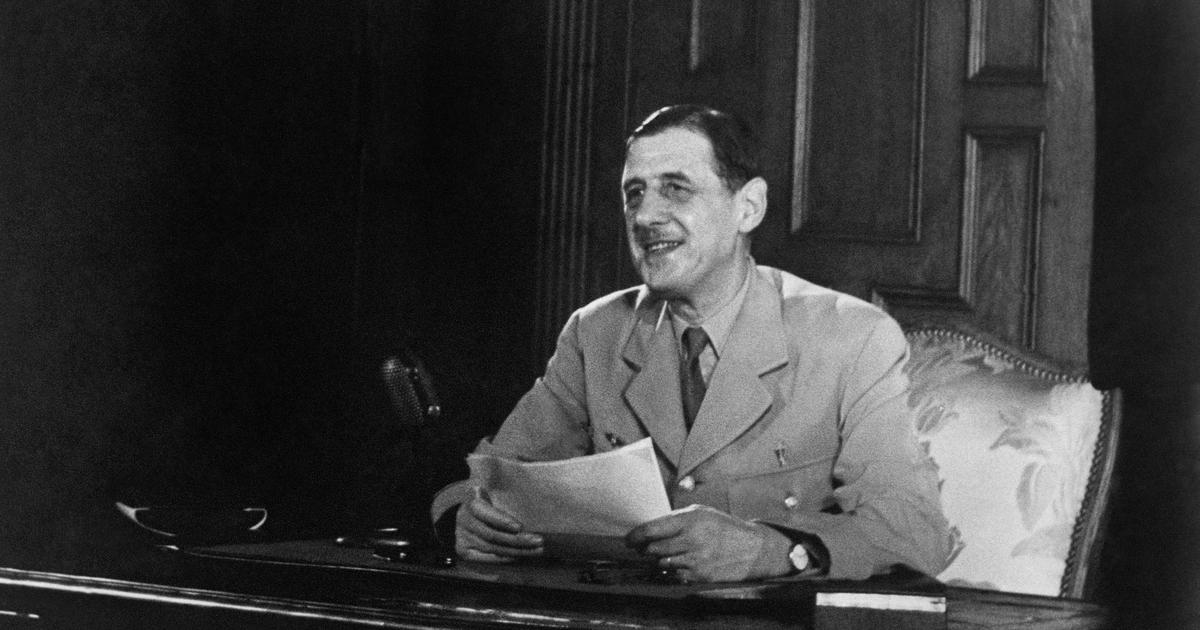
The Legacy of Charles de Gaulle: A Historic Manuscript Donation
Charles de Gaulle remains a pivotal figure in French history, not only as a military leader but also as a symbol of resilience against oppression. The recent announcement by the de Gaulle family to donate significant historical documents to the State has rekindled interest in his legacy. This donation includes a historic manuscript of the famous "Appeal of June 18," where de Gaulle urged the French people to resist Nazi Germany in 1940.
The Manuscript: A Call to Resist
The manuscript of the "Appeal of June 18" is an essential piece of literature that bears witness to a critical moment in French history. Written in June 1940, it was delivered via BBC radio from London, where de Gaulle had fled after the fall of France. This poignant call to arms invites the French people to join him in the fight against tyranny. The significance of this document cannot be overstated; it served as a beacon of hope during a time of despair, encouraging citizens to stand together for their freedom.
The forthcoming auction, scheduled for June 12, at the renowned auction house Artcurial, aims to honor this historic moment. This particular manuscript will not be up for sale; instead, it has been put on display for the public’s appreciation. The two double-sided pages, marked with numerous edits and corrections, capture the fervor behind de Gaulle’s words. These pages were preserved by Yvonne de Gaulle, his wife, before eventually being secured in bank vaults.
A Tribute to the De Gaulle Family
In addition to the manuscript, it has been announced that the de Gaulle family will make a generous donation of nearly 1,300 handwritten or typewritten documents belonging to the general himself. This treasure trove includes letters, speeches, and personal writings, all of which contribute to a deeper understanding of de Gaulle’s thoughts and actions throughout his life. These documents will serve not only as artifacts of historical importance but also as educational resources for future generations.
The decision to donate these manuscripts follows the recent passing of Charles de Gaulle’s eldest son, Admiral Philippe de Gaulle, who passed away at 102 years old in March 2024. The family’s commitment to preserving and sharing these documents reflects their dedication to keeping de Gaulle’s legacy alive. By doing so, they hope to ensure that the values of courage and nationalism he represented continue to inspire new generations.
Historical Context
To fully appreciate the significance of the June 18 appeal, it’s essential to understand the circumstances surrounding its creation. In May 1940, Germany launched a full-scale invasion of France, leading to rapid military defeats. Charles de Gaulle, who was a rising military leader at the time, opposed the armistice proposed by Philippe Pétain, the then head of the French government. Preferring to fight rather than surrender, de Gaulle fled to England in June 1940.
On June 18, at 6:30 PM, he sent out a passionate plea to the French people. His words resonated with a nation beset by fear and uncertainty. “Whatever happens, the flame of French resistance must not be extinguished and will not be extinguished,” de Gaulle proclaimed defiantly. This powerful message became a rallying cry, galvanizing those who were determined to resist the occupation and fight for the eventual liberation of France.
Impact on French Identity
The appeal transcended its immediate historical context, becoming a foundational document in the French national identity. It is not merely a call for military resistance; it represents a philosophy rooted in liberty, honor, and the unwavering spirit of the French people. De Gaulle’s rhetoric inspired not only his contemporaries but has also had a lasting impact on France’s post-war ethos.
In modern France, de Gaulle is often symbolized as the ultimate patriot who stood against tyranny. His legacy continues to be studied and revered in political discourse, education, and culture. The donation of the manuscript and associated documents serves as a powerful reminder of his indelible mark on French history.
La famille a décidé en outre de faire don de «près de 1300 documents manuscrits ou dactylographiés du général de Gaulle».