

Twice a week, I indulge in a cathartic experience, a routine I’ve embraced since the start of 2025. The collaboration between WWE and Netflix, worth a staggering 500 million dollars annually over ten years, has made it possible for wrestling shows to reach audiences worldwide.
The weekend mornings when I watched legends like Batista, Rey Mysterio, and Randy Orton have faded into nostalgia. Yet, thanks to streaming platforms, fans can experience John Cena’s farewell tour, reigniting memories of a cherished era.
Aside from the nostalgia, my weekly rituals of ‘Raw’ and ‘Smackdown’ reveal that the storytelling in wrestling scratches the same creative itch I once reserved for the MCU. It seems that everything WWE delivers can evoke the same emotional highs that Marvel used to generate.
The intricate interweaving of character arcs, invincible foes, and unforeseen alliances is a storytelling aspect Marvel lost after ‘Avengers: Endgame.’ Each week, wrestling manages to recapture that essence, all while engaging the audience in a live event that demands a suspension of disbelief – a cathartic experience punctuated by the thrill of the fight.
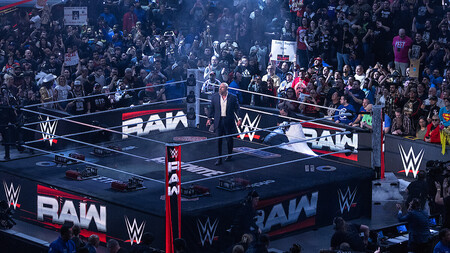
It may sound absurd to those unfamiliar with this realm, but once you’re engaged, the allure is undeniable: meticulously choreographed bouts, soap-opera-inspired narratives that blur the line between reality and scripted drama, and spectacular entrances by iconic wrestlers like Penta and Roman Reigns.
Yet, the wrestling world is not without its shadows. The challenges of being a woman in this space often lead to introspection—particularly regarding the ethical dilemmas surrounding the industry leaders.
The Ethical Quandary of Triple H
The struggle to separate the artist from their work comes to mind, especially when considering the controversies surrounding former WWE chief, Vince McMahon. Though Triple H, his son-in-law, is now at the helm, the repercussions of Vince’s tenure linger, complicating any effort to simply enjoy the thrill of the matches.
Under Triple H’s leadership, WWE sought to innovate, instituting gender equality policies and distancing itself from outdated racial stereotypes. The results are noticeable: a reported 40% female roster compared to just 35% last year.
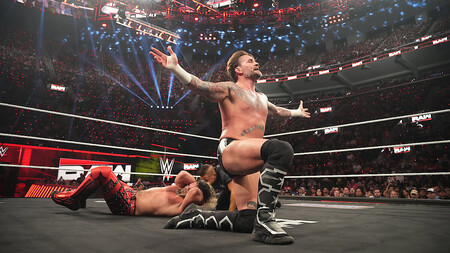
While progress is evident, the ethical implications of WWE’s partnership with Saudi Arabia, which has spotlighted the company’s inconsistencies regarding gender equality, cannot be ignored. In past events held there, female wrestlers were completely banned alongside female spectators.
Wrestling Against the Odds
Despite recent strides for women in wrestling, the shadows of past policies loom large. The company’s actions, particularly the lucrative Saudi deal, raises questions about the actual commitment to female empowerment.
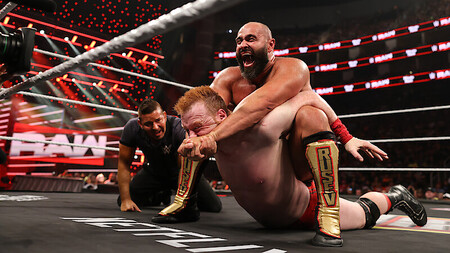
In line with modernity, female wrestlers were eventually allowed to compete in Saudi Arabia, albeit with strict dress codes that mandate complete body coverage. This ongoing stipulation reveals the undercurrents of compromise that exist even in an era of reported gender equity.
With future events like ‘WrestleMania’ slated to take place in Saudi Arabia, we are left navigating a murky landscape. As fans, we oscillate between celebrating professional achievements and critiquing the ethics of corporate partnerships.
Conclusion: The Complex Landscape of WWE
As our viewing experience continues to evolve alongside WWE’s narrative arcs and business decisions, we face the hard reality that genuine equality and representation remain compromised by financial interests.
In this duality, we are constantly reminded that entertainment can be thrilling and problematic in equal measure. Wrestling, with its dramatic storylines and live energy, has the potential to bring catharsis, yet the off-screen controversies present a challenging dichotomy for fans to reconcile.