
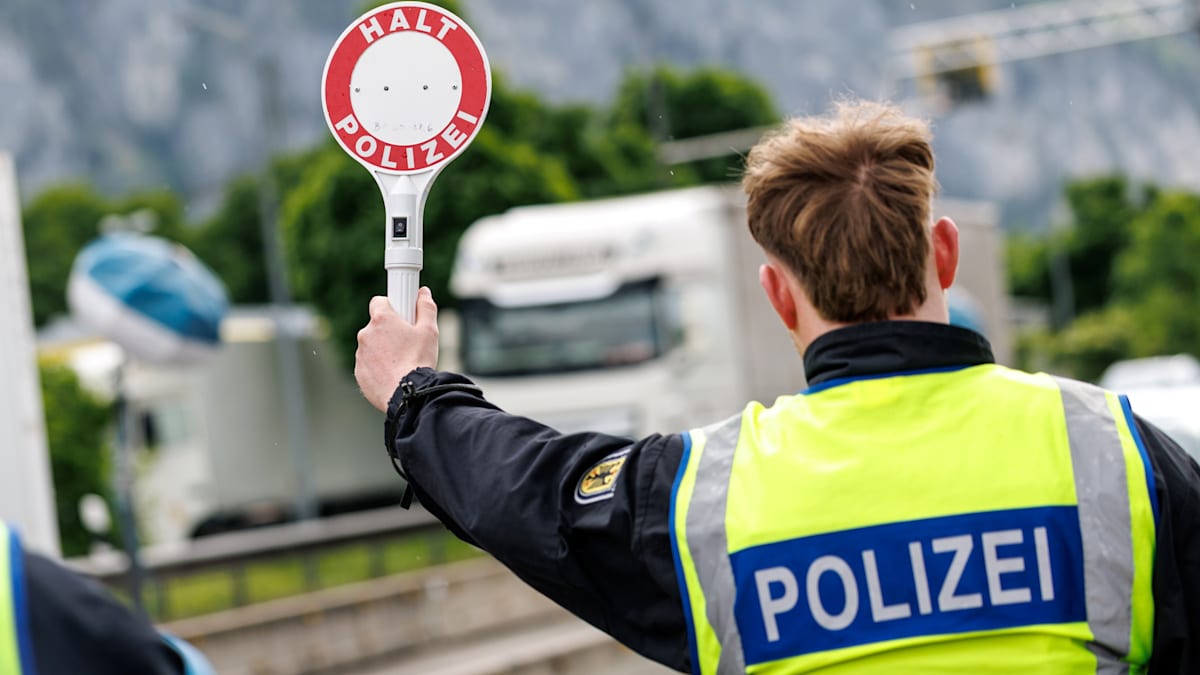
Germany Reinforces Border Controls: A Comprehensive Review
The President of the Federal Police, Dieter Romann, has reported a positive assessment of the strengthened controls at all German borders, dismissing criticisms from the police union about overwhelming the officers. In an interview with Bild am Sonntag, Romann questioned, "Why shouldn’t the Federal Police today with approximately 56,000 employees accomplish what we used to achieve with 10,000 or 30,000 officers?" His remarks spark significant discussions about the evolving landscape of border security and legal migration in Germany.
Enhanced Border Measures and Their Impact
Since the start of the enhanced border controls on May 8, according to reports from the media, 3,387 unauthorized entries were recorded over a span of 23 days, up until last Friday. Notably, 2,613 migrants were turned away, highlighting the stringent enforcement of Germany’s border policies. Among the 160 individuals who applied for asylum, 125 were also denied entry. Only 35 individuals were granted access, mainly due to humanitarian reasons—either they were ill or accompanied by children.
These statistics raise questions about the effectiveness and ethical implications of Germany’s border policies. The fact that such a high number of unauthorized entries were detected indicates both a persistent demand for migration and the challenges of enforcing border control in a globalized world.
Federal Police’s Implementation Strategy
Romann clarified that the Federal Police maintains around 9,800 officers dwelling continuously at their main duty stations along the national borders. Since the reintroduction of temporary internal border controls on September 16, 2024, this regular service has been reinforced by almost 1,200 colleagues. Presently, between 13,000 and 14,000 Federal Police officers are actively deployed at the borders.
Such numbers indicate a strategic shift within the Federal Police towards a more robust presence at Germany’s borders. Enhanced deployment ensures that operational protocols are effectively upheld, enabling officers to manage the influx of people heading towards Germany. Romann’s assertions signal a commitment to maintaining high-security measures and swift processing of migrants at various entry points.
Response to Criticism and Concerns
Romann responded to speculation suggesting that personnel for border patrols were being diverted from other critical operations, such as railway inspections. He firmly denied these assumptions, stating, "The strength of the rail inspections will not be compromised, even temporarily." This emphasis on operational integrity underscores the importance of not only managing borders but also ensuring that domestic and urban safety measures remain unhindered.
The support from neighboring countries appears to be largely positive. Romann indicated that he has engaged in numerous discussions with his counterparts, often on a weekly basis. He noted that within those encounters, there was a strong indication of understanding surrounding Germany’s measures, capturing sentiments such as, "Finally!"
Migrant Trends and Asylum Seekers
In the wake of Ukraine’s ongoing conflict and various other global crises, Europe continues to witness fluctuations in migration patterns. Asylum seekers represent a significant demographic within this transit. The data prior to the heightened border controls illustrated an increasing trend of migrants arriving through illicit channels, prompting a heightened response from local authorities.
The numbers reported during the recent reinforcements reveal an urgent need for a reevaluation of asylum processes and the overall migrant experience in Germany. As borders tighten, it’s essential for discussions to focus on ensuring the humane treatment of individuals seeking refuge and safety.
Conclusion
Dieter Romann’s robust defense of the enhanced border measures illustrates a proactive stance by the German authorities, aiming to secure national borders effectively while addressing the rising complexities of migrant inflows. The insights surrounding personnel allocations, operational integrity, and collaborative international responses contribute to a deeper understanding of the current dynamics of border security in Germany. Moving forward, it will be crucial to balance security needs while ensuring that the rights of migrants are respected and maintained. Germany’s approach may serve as a benchmark for other nations grappling with similar challenges in border management and humanitarian responsibilities.