
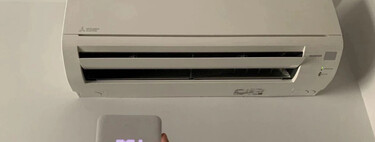
The Dilemma: To Turn Off or Keep the Air Conditioning On?
In Spain, there are about 7.3 million homes equipped with air conditioning systems. However, many homeowners have little understanding of the energy consumption of these units, particularly as summer arrives. During this season, air conditioning can consume around 30% of the electricity bill, making the decision regarding its usage crucial.
The Morning Debate
As the morning sun blazes, the moral dilemma begins: should one turn off the air conditioning before leaving the house for a few hours? If you turn it off, you risk returning to an oven-like home that will need a significant amount of energy to cool back down. On the other hand, leaving it running can inflate your electric bill even more. This age-old debate has persisted, despite advancements in HVAC technology that have altered how energy efficiency should be considered.
From “Don’t Turn It Off” to Inverter Technology
The conventional wisdom of leaving the air conditioning on stems from older units that had high consumption peaks when starting up. This created a misunderstanding that turning off the system would cost more in the long run. However, modern inverter technology allows air conditioning units to modulate their speed, thereby reducing energy spikes and making them more efficient overall.
Internal vs. External Heat
Two principal factors play a critical role in this discussion: the external temperature and the internal temperature of your home, along with the insulation that separates the two. Heat flows into a house according to the temperature gradient; if the inside is warmer, heat enters more quickly. Experts agree that for short absences, it’s often better to turn off the air conditioning or raise the thermostat significantly to save energy. The U.S. Department of Energy emphasizes that the initial peak of energy consumption only lasts a few seconds, thereby reducing the notion that constant use is economical.
Strategies for Effective Usage
While at Home
The best course of action while at home is to allow the inverter air conditioning unit to regulate the environment without constantly turning it off and on. According to the OCU, turning it off when leaving the room permanently is effective for energy conservation.
Setting the Thermostat
The focus should also be on the thermostat settings. Many myths circulate, such as the belief that setting the thermostat lower will cool the space faster. In fact, the legal minimum temperature for public spaces is 27 degrees, while experts recommend around 24 degrees for optimal comfort and efficiency.
Understanding Humidity
An often-overlooked factor is humidity. While cooling a space has become more efficient with new technologies, dehumidifying remains challenging. In humid climates, it may be more beneficial to keep the air conditioning running continuously, as regaining comfort can require more energy than keeping it on.
The Verdict: Turn Off or Not?
Ultimately, whether to turn off the air conditioning depends on the situation. For short trips, like running an errand, it’s fine to leave it operating. On the other hand, for longer absences, turning it off or significantly raising the thermostat could prove to be more economical and energy-efficient.
Conclusion
In conclusion, the choice of whether to turn off your air conditioning is not just a matter of personal convenience but also one of efficiency. Making informed decisions based on current technologies and practical energy-saving strategies can lead to a more comfortable and cost-effective summer.