
Football’s Intricate Dance with Politics: The Case of Ukraine and Russia
Football and politics have been intertwined for decades, with one influencing the other in ways that often transcend the sporting arena . The conflict between Ukraine and Russia, particularly the war that escalated in 2022, serves as a stark reminder of how global issues can affect national pastimes. The war resulted in a humanitarian and geopolitical crisis that deeply affected many lives—especially those in Ukraine, where mutual professional ties to Russia were shattered.
The invasion of Ukraine by Russia, which followed the earlier annexation of Crimea in 2014, has led to profound shifts in the world of football. Players, coaches, and teams have had to navigate an increasingly complex landscape marked by national loyalty and political repercussions . Many Ukrainian athletes chose to distance themselves from anything Russian, an act of defiance amid the turmoil. High-profile players like Yaroslav Rakitskiy and Artem Polyarus left their contracts with Russian clubs, citing personal and ethical concerns. Ukrainian football legend Andriy Voronin also resigned from his position with Dynamo Moscow, making it clear that he could not remain in a country that was attacking his homeland.
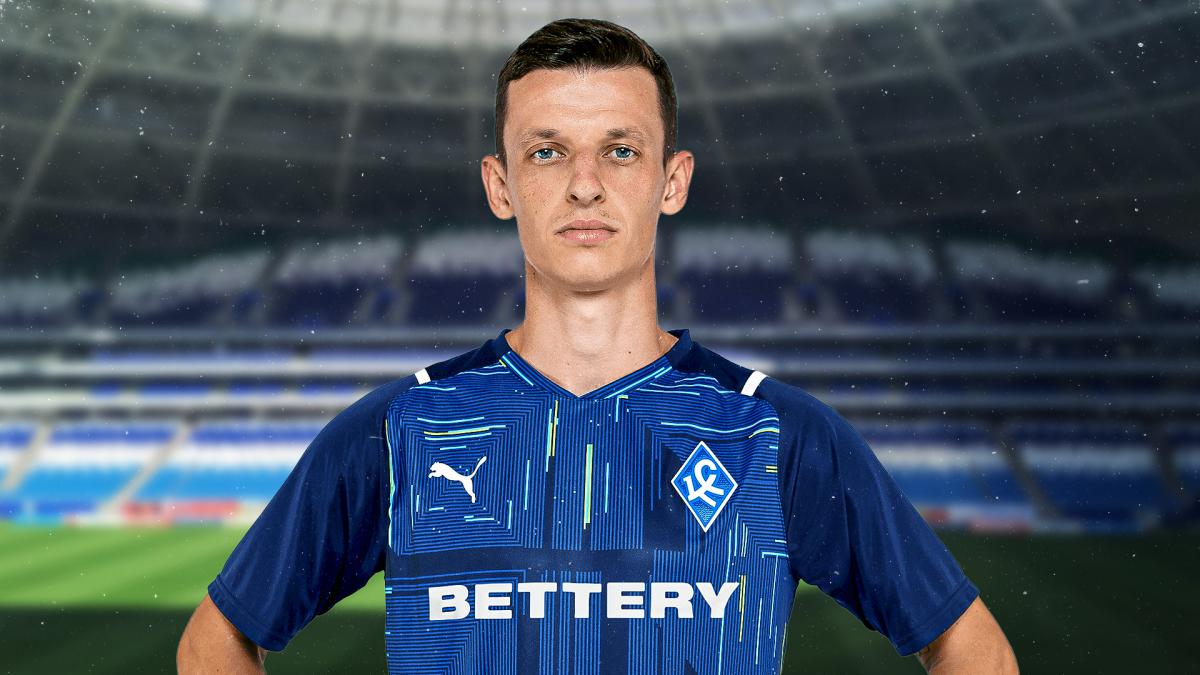
However, not all players took the same stance. One notable exception is Dmytro Ivanisenya, who continues to play in Russia, and his decision has sparked outrage among fellow Ukrainians. Despite the option to terminate his contract, Ivanisenya chose to remain with KS Samara, a decision that some critics have labeled treasonous . Initial reports suggested that financial constraints prevented him from leaving, but as FIFA facilitated contract breaks for Ukrainians, skepticism grew regarding his motivations.
The Fallout of Ivanisenya’s Choice
The situation took a more controversial turn in 2024 when Ivanisenya acquired Russian citizenship, an act deemed the ultimate betrayal by many in Ukraine. This move allowed him to be classified as a Russian player in competitions and has drawn sharp criticism from the media and football community alike. “Dmytro Ivanisenya has taken Russian nationality. He preferred to stay on the territory of the aggressive country,” remarked the Ukrainian media outlet Kyiv-Uk , reflecting widespread discontent. The term “The hostage of the Russians” has even been used to describe Ivanisenya’s position.
This decision has broader implications not just for Ivanisenya but also for the ongoing conflict itself. Russia has drawn scrutiny for its aggressive issuance of passports to foreigners, especially Ukrainians in territories it occupies. The act of awarding citizenship has increased international tensions and sparked discussions about the ethics involved in such political maneuvers. Ivanisenya’s decision has invariably become a litmus test for loyalty amid a war that has blurred the lines between personal and national identity.
Career Implications and Public Image
Despite receiving a salary of 400,000 euros per year and still playing regularly for KS Samara, Ivanisenya’s career and public image are significantly tainted . His association with the Russian club post-invasion adds a layer of complexity to how he’s viewed by fans, both locally in Ukraine and internationally. Critics have drawn parallels between Ivanisenya and former Bayern Munich player Anatoliy Tymoshchuk, who also chose to remain within the Russian football system, albeit with a different outcome concerning citizenship.
Even though both athletes faced backlash, Tymoshchuk’s lack of Russian citizenship keeps his record somewhat free of the stigma Ivanisenya now carries. While Ivanisenya may continue to don his club’s jersey, the emotional and ethical price of his career choice weighs heavily on him, his teammates, and the broader football community.
The case of Dmytro Ivanisenya serves as a painful yet necessary reminder of the entangled nature of sports and politics. As football clubs increasingly function as political entities, athletes must navigate these challenging waters carefully. Their choices and actions can resonate far beyond the pitch, affecting societal perceptions, national loyalties, and their legacy within the sport.
While Ivanisenya’s actions may seem isolated, they represent a microcosm of a broader conflict where loyalty, ethics, and the love for the game clash amid a harsh reality. The football world continues to watch and reflect, understanding that each decision carries the weight of not just personal ambition, but a nation’s grief and struggle.