
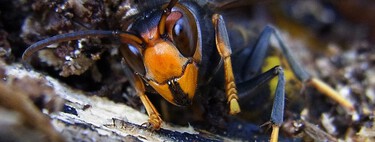
The Infiltration of the Asian Hornet
In late 2009, a handful of Asian hornets, scientifically known as vespa velutina, made their way across the Nivelle River into Dantxaria. Just a few months later, they were discovered in Amaiur, approximately 15 kilometers downstream, marking the start of a troubling invasion in the Basque region.
Growth of the Invasive Species
Since that initial arrival, vespa velutina has spread rapidly along the Cantabrian coast, throughout Galicia, and across the Ebro Valley. Authorities have been engaged in continuous efforts to identify and eliminate nests across the Iberian Peninsula. By 2025, the first recorded sightings in Alcañiz, Teruel province, included nine nests, demonstrating the invasive species’ expanding reach.
Government Response with Traps
In light of this growing threat, the Government of Aragon has launched an initiative aimed at curbing the population of Asian hornets by employing traps constructed from plastic bottles. This proactive approach represents an urgent response to the ecological crisis posed by these invasive pests.
Trap Mechanisms
A coordinated effort between the Forest Guard of the Alcañiz City Council and the Nature Protection Agents has led to the strategic placement of traps along the banks of the Guadalope River. These are designed to capture female queen wasps as they awaken from hibernation.
Types of Traps Utilized
Two main types of traps have been deployed: VespaCatch traps, specifically designed with holes suited for the Asian hornet, and handmade traps using basic materials like plastic bottles and black zip ties. Each trap employs a natural attractant calibrated with water, sugar, and fresh yeast, ensuring that once the wasps enter, they cannot escape.
Efficacy of the Traps
Early reports from Alcañiz indicate a successful capture of 62 Asian hornet queens, which suggests a promising start. However, research conducted by the Environmental Biology group at the University of Vigo provides a more nuanced view.
Mixed Results
While the VespaCatch traps boast the highest capture rates, they also unintentionally ensnare vulnerable native species. According to the findings, the use of bait traps may be environmentally unsustainable, especially in regions already grappling with established invasive populations.
Impact on Native Fauna
Research indicates that for every vespa velutina captured, approximately 100 native insects are caught, raising significant ecological concerns. Even though data from Galicia may not fully reflect conditions in Teruel, the capture of 62 queens could have detrimental effects on the local biodiversity along the Guadalope.
The Paradox of Control
This situation exposes a paradox: efforts to eliminate vespa velutina inadvertently risk harming other native species. As we face the consequences of ecological imbalances, the challenge becomes a delicate balancing act—where the fight against one invasive species may endanger the native wildlife we seek to protect.
In conclusion, while the use of traps made from plastic bottles offers a potential solution to control the Asian hornet population, it also necessitates further evaluation. The urgent need remains for strategies that prioritize the health of the ecosystem as a whole.