
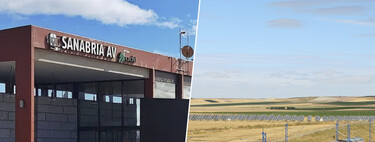
In the middle of August, as many travelers returned from holidays or prepared for new ones, Renfe faced an unexpected issue that added to a summer filled with delays and cancellations : devastating fires. While delays were reported nationwide in Spain, the fires in Zamora and Galicia led to the most significant disruptions for the company.
For over a week, Renfe was compelled to cancel or delay trains servicing the crucial link between Madrid and Galicia. This corridor is particularly significant for Renfe, as it’s the only operator allowed for technical reasons, and it has seen an impressive surge in passenger numbers.
During this turbulent period in August, Renfe first arranged buses to accommodate passengers but later opted to reschedule tickets or offer full refunds instead. Meanwhile, airlines capitalized on the situation by raising ticket prices in response to the influx of transferred travelers.
In light of the financial blow sustained, Renfe is now contemplating taking legal action against the governments of Castilla y León and Galicia for the economic damages incurred.
<img alt="In his pressures for saving 15 minutes on the way to Madrid, Galicia has encountered an unexpected enemy: fucking travelers" width="375" height="142" src="https://i.blogs.es/844608/sanabria/375_142.jpeg"/>The First Complaint
“Renfe is studying for the first time a claim of patrimonial responsibility against Castilla y León and Galicia. They must take responsibility for the three million euros in losses incurred during those nine days. Some administrations need to improve prevention and fire-extinguishing services. The consequences should not fall on Renfe,”
This is the statement from Oscar Puente, Minister of Transportation, in a recent session in the Congress of Deputies. He articulated concerns over what many have termed “The Railway Chaos” this summer, a phrase that resonates through a series of delays and cancellations that have distressed thousands of travelers. His comments were reported by Europa Press.
Puente reiterated that both Renfe and Adif (the administrator of railway infrastructure) believe that had proper preventive measures been in place, service could have been delivered without disruption. According to Puente, the delays were not directly caused by the two companies; instead, they stemmed from the decision to cut off electricity in the affected zones due to safety concerns regarding fire response efforts.
<img alt="Four out of 10 AVE trains have had delays this summer: with the changes, more than two million people do not opt for reimbursements" width="375" height="142" src="https://i.blogs.es/69d41e/s02_136_bf_malaga_maria_zambrano-_102_xxx/375_142.jpeg"/>In his address, Puente clarified that arranging a bus service was far from easy, given that each train carries approximately 500 passengers, meaning at least ten buses would be required for just one train. This notion corroborates earlier comments made by the company to Xataka.
Nonetheless, as Renfe weighs the prospect of legal action against the authorities of Galicia and Castilla y León, it has been confirmed that two million passengers have lost their right to compensation as a result of the recent amended regulations governing claims for delays. Previously, these issues would have warranted either a full or partial refund of tickets.
Photo | Ume and Phil Richards
In Xataka | If something has taught us this summer, it is that Spain does not require more trains. The focus should be on improving the existing infrastructure and services instead.