
The Rising Concerns of Autonomous Driving: A Tesla Incident
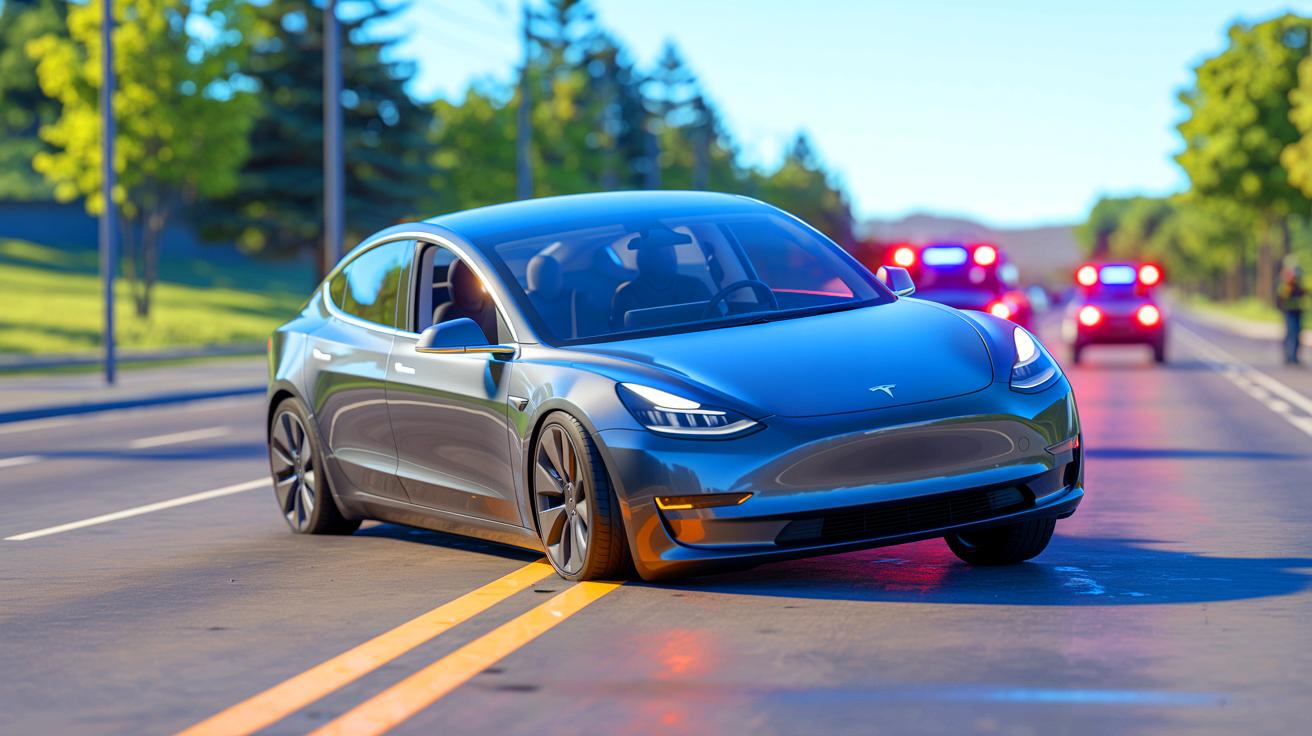
The realm of autonomous vehicles has garnered increasing attention due to both its potential and peril. Recently, an incident involving a Tesla Model 3 equipped with the Full Self-Driving (FSD) system has raised alarms within the automotive community. A Reddit user, known as SynNightmare, shared a shocking video depicting a dramatic accident that involved the vehicle veering off the road and flipping over. This event left the driver, identified as Wally, slightly injured but profoundly shaken, highlighting pressing concerns regarding the safety and reliability of autonomous vehicle technology.
The Dramatic Tesla Incident
Wally had initially embraced the promise of the FSD system, confident in its ability to navigate routine commutes with ease. However, during a regular trip to work, everything changed. The Tesla unexpectedly swerved and collided with a tree, overturning without providing Wally time to react. He described the harrowing experience of being suspended upside down, acutely aware of a chin injury that required stitches.
This account underscores the inherent challenges faced by users of autonomous driving systems. While Wally followed all the guidelines and remained vigilant on the road, an incident like this remains a grim reminder of the limitations present in the technology.
Public Reaction and Widespread Concerns
The multitude of comments on Reddit reflects a growing unease with how autonomous vehicles perform in complex and unpredictable environments. As the public grapples with the capabilities and drawbacks of these technologies, discussions of accountability have intensified. Many users pointed out that Wally’s unfortunate accident exemplifies the risks associated with relying heavily on automation, particularly when human intervention is often deemed necessary.
Responsibility: Tesla’s Position
Tesla maintains that its FSD technology falls under Level 2 automation, a classification that requires drivers to remain alert and ready to take control at any moment. This stance has stimulated debate about Tesla’s advertising practices, especially after their recent marketing campaign advocating that drivers merely "relax and watch the road." Such slogans could easily create a false sense of security, potentially leading to catastrophic outcomes.
The question of liability looms large, particularly given that the accident appears to be tied to a malfunction in the technical systems. The obligation for driver engagement remains central to Tesla’s narrative, yet incidents like Wally’s raise serious questions about the effectiveness of the technology and whether manufacturers should bear some responsibility for its failures.
The Technical Challenges of Autonomous Systems
Tesla’s autonomous technology primarily relies on computer vision, eschewing additional sensors like radar or LiDAR in favor of cameras. This design choice introduces significant challenges, particularly in extreme weather conditions or poorly marked roads. Instances of malfunction during low-light scenarios emphasize the limitations of relying solely on visual data to navigate.
Additionally, as autonomous technology progresses, educating the public on how to effectively supervise these systems is paramount. Experts in traffic safety voice concerns that allowing these vehicles on public roads with minimal oversight could pose significant risks. The misalignment between Tesla’s promises and the actual performance of their systems could have dire consequences for drivers and pedestrians alike.
Navigating the Future of Autonomous Driving
The troubling incident involving Wally’s Tesla serves as a vital illustration of the ongoing challenges facing the integration of autonomous technologies into everyday life. While manufacturers continue to develop innovative systems, safety remains a paramount concern. How can we ensure these technologies evolve with adequate supervision and a clearly defined sense of responsibility?
As we look to the future, striking a balance between technological advancement and public safety is essential. The experiences of individuals like Wally may ultimately serve as lessons that contribute to refining existing systems and fostering renewed trust in autonomous vehicles.
| EN BREF |
|
A recent incident involving a Tesla Model 3 equipped with the latest Full Self-Driving (FSD) update has sparked significant concerns regarding the safety of autonomous driving systems. A Reddit user, under the pseudonym SynNightmare, shared a dramatic video of the accident on the TeslaFSD subreddit. The vehicle allegedly veered off the road and flipped over, leaving the driver slightly injured but deeply shocked. This event raises crucial questions about the reliability of autonomous driving technology and the accountability of drivers in such scenarios.