
The Astonishing Discovery of an Intact Etruscan Tomb
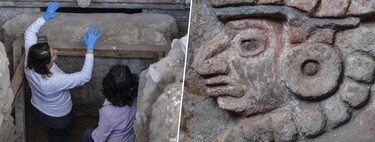
Imagine uncovering a monumental stone slab to find a world suspended in time, dating back 2,600 years. This astonishing event unfolded in Lazio, around 70 kilometers northwest of Rome, thanks to the San Giuliano Archaeological Research Project, a collaboration between Baylor University in Texas and Italian authorities.
The Discovery
Located in the necropolis of San Giuliano, within Marturanum Park, this tomb is remarkable not only for its Etruscan origin but because it remains the only untouched burial site in an area notorious for looting. In a region that has long suffered from grave robbers, discovering a virgin funerary context represents a statistical anomaly, highlighting the extraordinary nature of this find.
Opening the Vault: An Unboxing of Grave Goods
Inside the tomb were the remains of four individuals, meticulously arranged on carved stone funerary beds. Preliminary analyses suggest that these individuals may comprise two couples. Along with the skeletons, an impressive trove of over 100 funerary objects was discovered, reflecting a wealth of status and cultural significance. Items included 74 ceramic vessels, iron weapons, bronze artifacts, and even silver hair reels, with a bronze fibula still displaying traces of tissue. Notably, a vase positioned at the tomb’s entrance might have played a vital role in the funerary rites prior to sealing.
Significance of the Discovery
This find transcends mere archaeological curiosity; it offers a window into the lives of the Etruscans. As Dr. Bárbara Barbaro, the director of archaeology at the Soprintendenza, eloquently stated, the intact condition of the tomb provides invaluable insights into funerary rituals, something nearly impossible to ascertain from looted graves. The chamber serves as a time capsule, enabling research teams to glean details about life, death, and the cultural practices of this ancient civilization.
The Etruscan Context
This sealed cave chamber tomb dates back to the late 7th century BC, coinciding with the Orientalizing period, a flourishing phase of Etruscan civilization. Since 2016, over 600 Etruscan tombs have been documented in the area, all previously plundered since Roman occupation in the 3rd century BC. Architecturally, these tombs are carved directly into the rock, resembling small houses with gable roofs—characteristics emblematic of Etruscan funerary design.
Future Investigations
While fieldwork has concluded, significant analyses remain. Genetic and isotopic studies on the skeletal remains will shed light on the origin, diet, and familial relationships of the individuals entombed. The vast assortment of artifacts will also illuminate the production and circulation patterns of goods in Etruria during this period, contributing to our understanding of their funerary customs and social structures.
This discovery not only enriches our understanding of Etruscan culture but also emphasizes the importance of archaeological vigilance in preserving historical sites for future generations.