
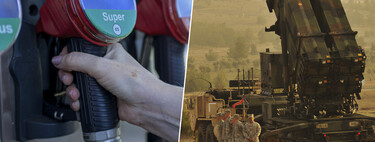
Were you thinking of getting gas this week? If so, now might be the best time to fill up your tank. Since February 28, after the United States launched attacks in Iran, global oil prices have surged. Service stations have already begun increasing their prices, and it appears that consumers can expect even higher costs soon.
The Current Situation
In just a few hours following the U.S. military actions, there was noticeable anxiety among drivers, and many started filling their tanks in anticipation of rising gas prices. Although the average price for gasoline hasn’t yet reached €1.60 per liter, stations in major cities and critical transport corridors have already seen significant increases.
Government Response: What to Expect?
Despite the rising prices, the government has yet to outline specific measures to mitigate the impact on consumers. The Minister of Economy, Carlos Body, has hinted at a potential “shield for our citizens and companies,” but further details remain unclear.
It’s still uncertain whether this ‘shield’ will focus on reducing fuel prices for consumers, providing aid specifically for transporters, or even lowering public transit fares, similar to initiatives enacted in 2022.

Possible Measures
One likely option for the government is to introduce subsidy programs for fuel purchases. However, there is pushback from gas stations, which are concerned about the financial implications of such measures.
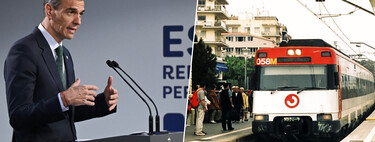
In tandem with potential fuel subsidies, the government has sought to promote public transport by significantly reducing fares, a strategy that has proven effective in increasing ridership. Reports indicate that Renfe, the Spanish train operator, experienced an uptick in traveler numbers from 25% to 40% during these fare reductions, along with 1.5 million requests for new free passes.
Long-Term Effects of Subsidies
While these public transport initiatives helped many, they also raised questions about sustainability and funding as those subsidies appear set to continue into the foreseeable future. By 2026, an announcement of a single pass for all of Spain was made, allowing access to all state-operated transport for €60 (or €30 for those under 26).
Tax Implications
Another avenue the government could explore is adjusting taxes on fuel. Spain currently imposes a Special Tax on Hydrocarbons and VAT on each liter of gas. However, the feasibility of reducing these taxes is questionable, as they contribute significantly to government revenues.
- Unleaded gasoline 98: €0.504/liter
- Unleaded gasoline 95: €0.473/liter
- Diesel: €0.379/liter
The EU has been urging Spain to raise diesel prices, complicating the scenario for any tax reforms. Such changes could contradict efforts to promote lower fuel prices, further complicating government strategies.
In conclusion, the evolving situation regarding fuel prices will require careful navigation from the government. While immediate responses may be necessary, long-term solutions that balance economic stability and environmental considerations are essential for sustainable public transport and fuel consumption in Spain.
Photo | engin arkyut