

Running with Diamonds, have athletes gone crazy? At the recently concluded Athletics World Cup in Tokyo, many marathoners and race walkers showcased a unique accessory: a forehead band adorned with glimmering stones. This peculiar aesthetic choice served a vital purpose under the sweltering sun, with temperatures soaring above 30ºC and humidity levels hitting a staggering 80%. What appeared to be a fashion statement was actually the latest innovation in cooling systems.
Patented by the Mexican brand OMIUS, this innovative tape incorporates 20 squares of polished graphite stones. When worn, they provide a refreshing sensation to the skin. While the effects aren’t backed by comprehensive scientific studies, many athletes have reported feeling cooler. Triathlete Antonio Benito, a long-distance world champion, expressed, “I can’t say if the temperature drops, but it definitely provides relief during extreme heat. You need to wet the stones, and the sensation is incredibly pleasant.”
Despite the tape’s effectiveness, no Spanish athletes utilized it in the championship. One factor was its availability; although IMPIUS has launched a distributor in Spain, athletes had previously to order it from the United States, dealing with long wait times and customs fees. Furthermore, each tape is priced around €180, and given its water-based wear, multiple units would likely be necessary for a full event.
The Sponsor Dilemma
“The tape is pricey, but it’s worth it. I wear it every time I compete under high temperatures,” explains Benito. “However, many athletes avoid using it because it can create issues with their sponsors.” This sponsor conflict plays a crucial role in the tape’s low adoption rate among elite athletes.
The cooling band covers a considerable portion of the face and is visible in many action shots—yet it lacks a signature brand logo. Initially, athletes attempted to cover the stones with their sponsor’s stickers, but this rendered the product ineffective; without airflow, the cooling effect diminishes. The friction between personal branding and performance aid has become a contentious topic.
Notably, Olympic champion Eliud Kipchoge pioneered this trend when he was spotted wearing the tape during the Paris Olympic Games marathon last year. Following his high-profile endorsement, Google searches for the product skyrocketed, and even Time magazine listed it among the “Best Inventions of 2024.” According to the invention’s creator, Mexican engineer Gustavo Cadena, “The system draws inspiration from the ways we cool computers and engines. Graphite is an exceptional heat dissipator for the human body.”
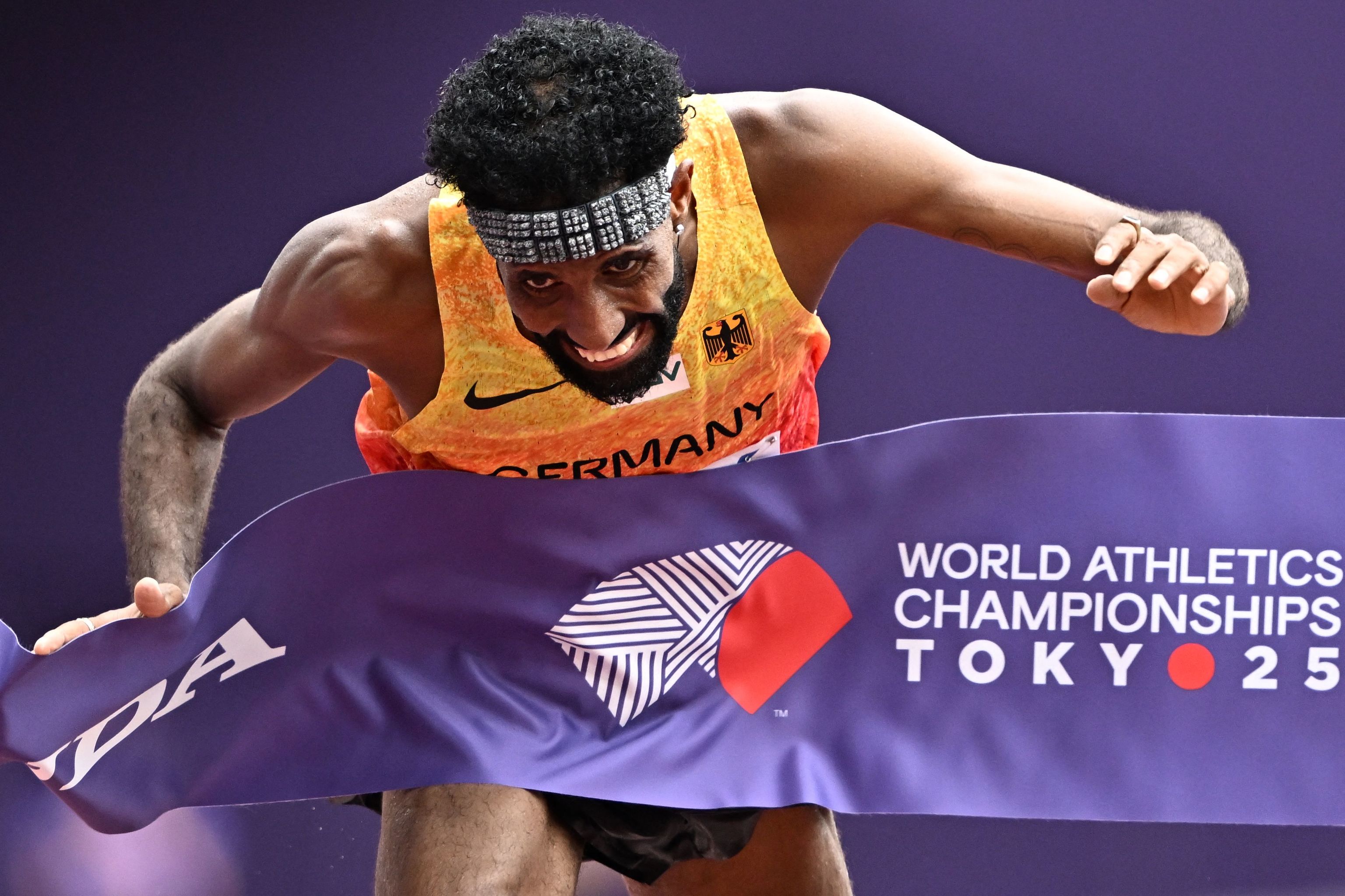
The German Amanal Petros, in the marathon goal in Tokyo.
According to Benito, the usage of graphite has been prominent in the triathlon elite for years, often stemming from imitation. “Whenever someone introduces a novel product, we all scrutinize it to see how it can benefit us,” he adds. In fact, innovations continue to emerge, including graphite caps, visors, and even necklaces designed for cooling. At the last Ironman event in Nice, Patrick Lange experimented with a prototype.
Traditional Methods Still Matter
Benito concluded, “The ideal approach might be to combine the tape with traditional cooling techniques.” Throughout the Athletics World Cup, competitors employed a variety of methods to combat the heat. Regular hydration, sprinkling water, and using damp sponges or ice bags on their foreheads and necks were common practices. American runner Susanna Sullivan consistently kept ice on her head while South African athlete Elroy Gelant carried a sizable sponge on his chest during the race.
Innovations didn’t stop there; remarkable solutions included fan-equipped jackets worn by athlete María Pérez and the refreshing sleeves designed by Brooks for CJ Albertson. Yet, without a doubt, the graphite tape stood out as the most popular new invention. So, running with diamonds isn’t about an eccentric fashion choice—it’s a heartfelt quest for relief amidst grueling heat.