
The Path to Peace: A New Agreement in the Democratic Republic of the Congo
In a significant development aimed at restoring peace in the eastern region of the Democratic Republic of the Congo (DRC), the Congolese government and the M23 militia have reached a provisional ceasefire agreement. This consensus, mediated by Qatar, represents a hopeful turn in ongoing conflicts that have plagued the region for years.
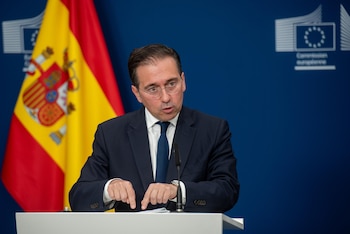
The announcement was made by the Ministry of Foreign Affairs and Cooperation of Spain, which issued a welcoming statement acknowledging the signing of the “Declaration of Principles” between the DRC and Rwanda’s M23. According to the ministry, this agreement is expected to facilitate a path toward regional peace and stability, a sentiment expressed by José Manuel Albares, the Minister of Foreign Affairs.
Key Features of the Agreement
The general framework of this agreement outlines essential terms that both parties have committed to uphold. At the forefront is the commitment to a high permanent ceasefire, which prohibits any form of attacks, whether by air, land, sea, or lakes. Additionally, all forms of hate propaganda are to cease entirely, highlighting a mutual desire for reconciliation.
One of the most notable aspects of the agreement involves the establishment of a Verification Mechanism to oversee the ceasefire. This will include the participation of the United Nations peacekeeping mission, known as MONUSCO, ensuring that both parties adhere to the agreed-upon terms.
Furthermore, the agreement also calls for measures aimed at rebuilding trust between the involved parties. A significant element of this trust-building exercise involves the International Committee of the Red Cross, which will help facilitate the organization of the release of detainees.
The Role of External Mediators
The successful mediation by Qatar is a testament to international diplomacy playing a crucial role in conflict resolution. It underscores the importance of external support in stabilizing regions like the DRC, where internal factions have historically led to a precarious security landscape.
Qatar’s diplomatic efforts in the DRC are part of a broader strategy aimed at fostering peace in conflict-laden regions around the world. Their involvement highlights how nations can leverage their influence to foster meaningful dialogue, which may lead to sustainable peace agreements.
Reactions from Various Stakeholders
Reactions to the ceasefire agreement have been mixed but predominantly optimistic. Local communities in eastern DRC, who have borne the brunt of relentless conflict, expressed cautious hope, eager to see changes on the ground. Humanitarian organizations have also welcomed the agreement, emphasizing the importance of addressing urgent humanitarian needs that have escalated due to the conflict.
On the other hand, there are apprehensions regarding the implementation of the ceasefire. Skeptics point out that previous agreements have failed due to lack of commitment or oversight. Ensuring compliance will require not only robust monitoring mechanisms but also genuine political will from both sides to commit to sustained dialogue and cooperative governance.
The Need for Comprehensive Solutions
While the ceasefire agreement marks a pivotal step, it is essential to understand that this is merely the beginning. A lasting solution will require inclusive dialogue that involves all stakeholders, including those marginalized in the peace process. This includes various ethnic groups and civil society organizations that can contribute valuable perspectives and insights.
Addressing the socio-economic drivers of the conflict is also vital. Many communities have been left impoverished and marginalized due to prolonged violence, creating fertile ground for further unrest. Comprehensive economic development and social cohesion initiatives will be pivotal in ensuring that the peace achieved is not merely temporary.
In conclusion, while the ceasefire agreement between the Congolese government and the M23 militia is a promising step towards stabilizing the eastern DRC, its success will depend on sustained commitment from all parties involved. Continued international support, genuine dialogue, and socio-economic reforms will be essential in transforming this moment of hope into lasting peace for the region. The journey ahead may be long and arduous, but the potential for peace is now more tangible than ever.