
Spain’s Maritime Defense Revitalized with Airbus C295
The Loss of a Crucial Capability
Modern warfare heavily relies on advanced technologies, yet certain core capabilities, like submarine surveillance and tracking, are timeless necessities. Spain faced a significant setback in December 2022 with the retirement of its Lockheed P-3 Orion aircraft. This withdrawal left the nation vulnerable, especially considering its extensive coastline and strategic location between the Atlantic and Mediterranean. The Spanish Armed Forces found themselves without a dedicated aircraft for locating, tracking, and neutralizing enemy submarines, a critical gap now being addressed.
Airbus’s Innovative Solution from Seville
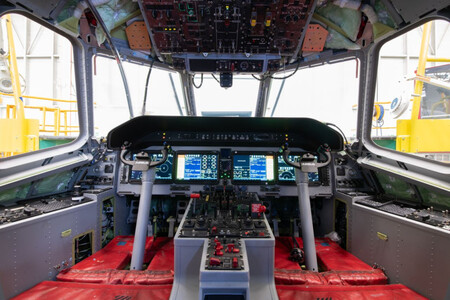
The solution to Spain’s maritime surveillance dilemma is emerging from Seville, where Airbus is developing the new C295 Maritime Patrol Aircraft (MPA). This aircraft is engineered to restore vital capabilities to the Air and Space Army, which had been lacking for years. Notably, the project has already achieved essential milestones, including system power-ups and engine commissioning.
Airbus assures that the development timeline is on track, with extensive flight tests slated to continue for over a year, culminating in the delivery of the first unit by 2028. The C295 MPA is not merely a replacement; Airbus aims to establish it as an international standard in maritime patrol technology.
Reinventing Submarine Warfare
A standout feature of the C295 MPA is its advanced ability to tackle underwater threats. The aircraft can carry two to four Mk46 or Mk54 torpedoes and deploy up to sixty sonobuoys, which are critical for detecting submerged vessels. This combination not only empowers Spain to conduct effective submarine warfare but revitalizes its naval capabilities in a rapidly changing global landscape.
For years, Spain lacked a platform capable of extensive undersea surveillance and engagement. The new C295 MPA filled this need, embodying one of the most complex and strategic functions in modern air defense.
An Arsenal of Advanced Sensors
Anti-submarine warfare hinges on having the right combination of sensors and weaponry. The C295 MPA is equipped with cutting-edge technologies, including synthetic aperture radars, electro-optical systems, and magnetic anomaly detectors. These systems allow for real-time tracking and classification of underwater threats, enhancing Spain’s situational awareness.
In addition to its surveillance capabilities, the aircraft is fortified with missile self-protection systems and encrypted satellite communications, facilitating real-time information sharing with other naval units.
A Collaborative Industrial Effort
Although Airbus spearheads the C295 project, it also showcases the capabilities of the Spanish defense industry. Collaborating companies such as Indra, SAES, and Tecnobit contribute crucial technologies like acoustic sensors and self-protection systems. This initiative encompasses not only aircraft manufacturing but also infrastructure, simulators, and training, fortifying Seville’s stature as a leading military aerospace hub in Europe.
Beyond Just a New Aircraft
The acquisition of eight maritime surveillance and eight maritime patrol aircraft is part of a broader investment exceeding 1.7 billion euros. This significant commitment reflects Spain’s determination to rebuild essential maritime capabilities in light of renewed threats posed by submarines. The new C295 MPA represents much more than just a military asset; it signifies a revitalization of Spain’s ability to safeguard its waters and respond effectively to unseen underwater threats.
In conclusion, the C295 MPA program encapsulates Spain’s journey toward regaining a crucial military tool, thereby enhancing its national security and maritime defense capabilities.