

South Korea’s Stricter Regulations on Cryptocurrency
The **South Korean Financial Services Commission (FSC)** is set to enforce new regulations affecting **non-profit organizations** and **cryptocurrency exchanges**. Starting from June, these entities will be required to adhere to stringent **customer verification processes**. This move signifies a pivotal shift in the country’s approach towards the rapidly evolving landscape of digital assets.
According to an official release, the FSC has affirmed that these organizations will now have the **authorization** to sell digital assets under the newly established regulations. This directive comes at a time when South Korea is reassessing its **cryptocurrency framework**, indicating a broader acceptance of digital assets within its financial ecosystem.
Non-Profit Organizations and Digital Assets
Non-profit organizations will be permitted to sell cryptocurrencies that they acquire through **donations and sponsorships**. This is a significant development, indicating a rising trend of charities utilizing cryptocurrency for fundraising. Meanwhile, exchanges will be allowed to liquidate user fees that are paid in crypto. Furthermore, the FSC has specified that these entities must follow strict guidelines to ensure compliance and security in their operations.
These regulations are crucial as they come amid South Korea’s larger strategy to “gradually allow corporations” to engage in the buying, selling, and holding of crypto assets. Earlier this year, the government announced its intent to lift the ban on local institutions trading cryptocurrencies, suggesting a forward-thinking approach to integrating **blockchain technology** into traditional finance.
Customer Verification to Mitigate Money Laundering: FSC
The FSC has emphasized that these **Know Your Customer (KYC)** measures are designed to protect the South Korean financial market against risks such as **money laundering**. With the implementation of KYC processes, non-profit organizations will be limited to trading cryptocurrencies that are supported on **three or more Won exchanges**. For digital asset exchanges, only the top 20 cryptocurrencies by market capitalization on five KRW exchanges will be allowed for trading.
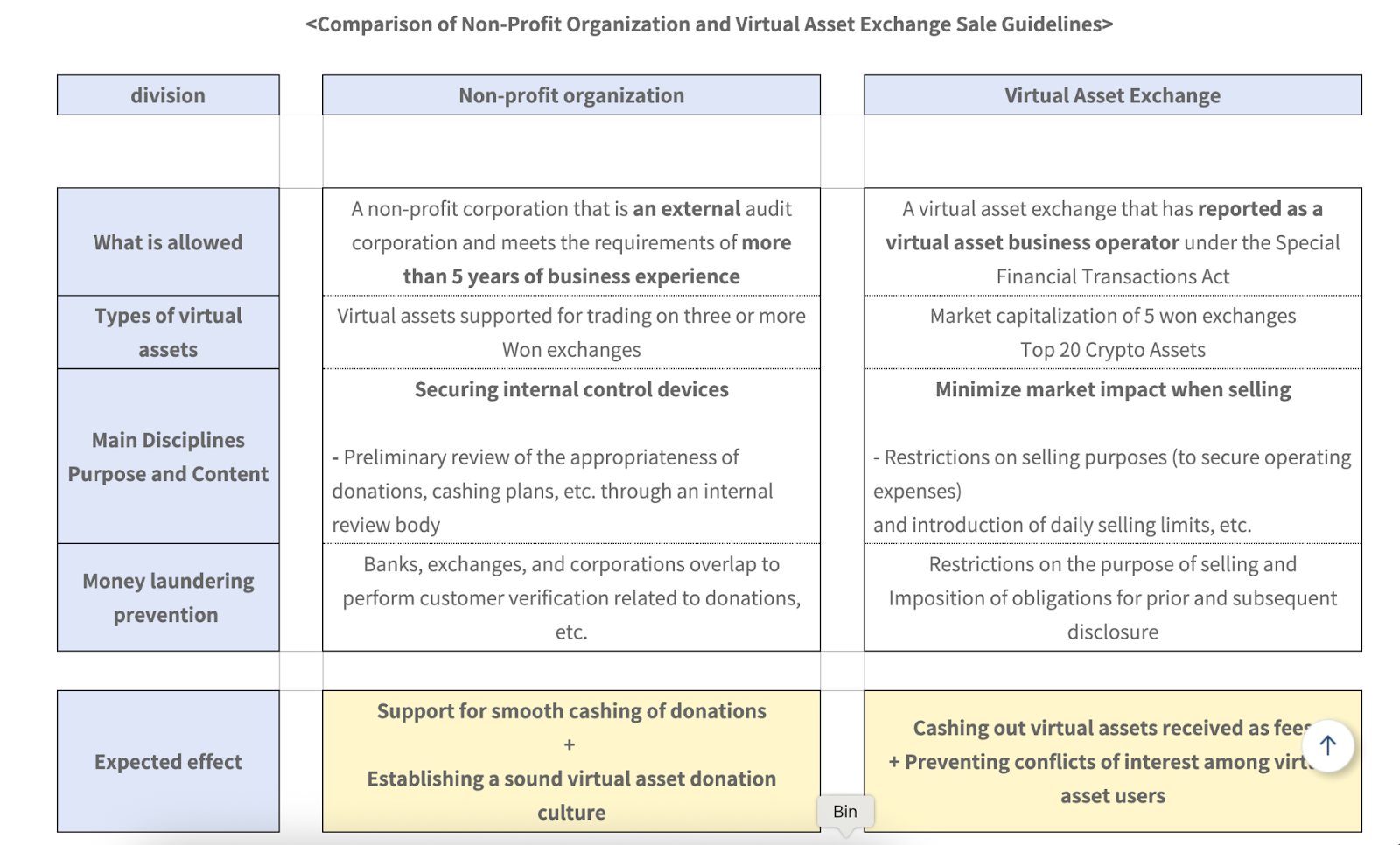
In an effort to further combat money laundering, the FSC has tightened the verification of both transaction purposes and sources of funds for non-profit organizations. Precisely, donations will only be permitted through **domestic won exchange accounts**. This targeted approach aims to promote the **safeguarding** of the financial system and ensure that funds are derived from legitimate sources.
For cryptocurrency exchanges, the FSC has mandated the establishment of “**internal control procedures**,” which include obtaining board of directors’ resolutions on virtual asset sales plans and fulfilling prior disclosure obligations. These requirements aim to tighten oversight and accountability in the burgeoning field of digital assets.
Revised Transaction Support Standards for Memecoins
In addition to the KYC requirements, the FSC has put forward revised transaction support standards specifically for **memecoins** and **zombie coins**, which have been known to contribute to instability in the virtual asset market. The FSC has stated that transaction support for memecoins will be permitted only if the cumulative number of transactions surpasses a **specific threshold**. This regulation indicates a proactive approach to ensure that only stable and viable cryptocurrencies are represented in the market.
These revisions are meant to enhance investor protection and maintain the integrity of the South Korean cryptocurrency landscape. By focusing on the regulation of memecoins, the FSC aims to curb speculative trading that can lead to significant market **volatility**.
The FSC’s decisive actions can be seen as a response to the growing complexities of the cryptocurrency space, as South Korea positions itself as a pioneer in the **digital finance** sector. This regulatory framework not only aims to promote responsible crypto trading but also ensures that the broader economic implications of digital assets are managed prudently.
As the landscape of cryptocurrencies continues to evolve, these regulations underscore the importance of establishing a secure environment for both investors and the general public. The efforts by the FSC are expected to shape the future of cryptocurrency in South Korea, paving the way for greater **acceptance** and innovation within the financial sector.