
Controversy Surrounding the CAN 2025 Final: New Revelations
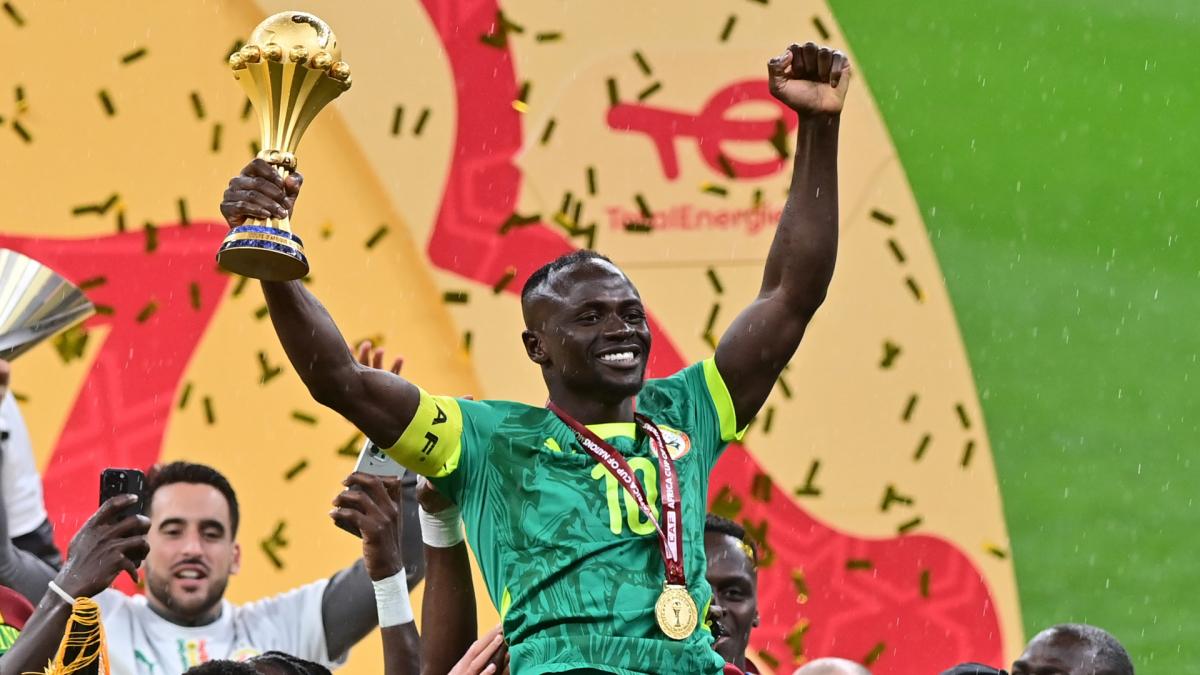
Since January 18, the final of the African Cup of Nations (CAN) has been a hot topic of debate. After a penalty was awarded to Morocco at the end of regulation time, Senegal initially left the pitch but later returned to secure a 1-0 victory in overtime. However, weeks later, the Confederation of African Football (CAF) deemed their actions improper, imposing a 3-0 defeat on Senegal, which effectively handed the title to Morocco. This decision sparked outrage among Senegalese fans and officials, prompting the team to appeal to the Court of Arbitration for Sport (CAS).
Inconsistent Narratives: A Closer Look
Recent reports have illuminated several inconsistencies in the Senegalese team’s narrative about the final. A piece published by A.S. reveals that Senegal may have ignored multiple recommendations from CAF both before and during the match. This has led to suspicions that their actions were part of a larger strategy to manipulate the media narrative surrounding the final.
Logistical Issues and Preconditions
When the Senegalese squad arrived in the Moroccan capital, Rabat, they were reportedly informed of logistical constraints by CAF. Despite this, the Teranga Lions delegation allegedly rejected alternative solutions that could have alleviated potential issues. Some reports even suggest that this might have been a “premeditated approach” to set the stage for future controversies.
The controversy extends to accommodations at the Mohammed VI complex. Senegal criticized the lack of privacy, citing concerns over potential “espionage.” However, A.S. counters this claim, citing that other national teams, including Cameroon, have utilized the same facilities without incident. This casts doubt on Senegal’s accusations and raises questions about their strategic decisions leading up to the final.
The Dramatic Finale: Leaving the Field
A pivotal moment in the match occurred during stoppage time when a penalty was awarded to Morocco for a foul on Brahim Díaz. Following this decision, the Senegalese players left the field, causing an interruption of approximately 30 minutes. This act fueled chaos and confusion during what was supposed to be a climactic conclusion to the tournament.
Adding to the drama, some players broadcast live videos from the locker room, further intensifying the narrative around the match. Reports indicate that there were instructions given to the match referee, Jean-Jacques Ngambo Ndala, to refrain from sanctioning certain Senegalese players, which could have prevented two expulsions. These revelations point to systemic issues and potentially poor management during a highly charged match.
What’s Next for Senegal?
With the appeal to CAS pending, the situation remains fluid. The outcome of this case could have significant implications, not just for Senegal but for the integrity of tournament management in African football. As more revelations emerge, the hope is that transparency will prevail, allowing for a fair resolution to a deeply contentious affair.
In conclusion, the CAN 2025 final has not only raised questions about sporting integrity but also highlighted the complexities of managing high-stakes international tournaments. The ongoing saga serves as a stark reminder of the challenges that lie ahead for teams, organizers, and governing bodies in African football.