
Understanding UV Radiation Levels in Peru
Recent reports from Senamhi have revealed alarming UV radiation levels in Peru, categorized as “high,” “very high,” and “extremely high.” These findings highlight a growing public health concern as these UV indices tend to rise during the summer season.
Regional Variations in UV Radiation
The UV radiation levels vary significantly across different regions of Peru.
- Coastal Areas: Here, the UV indices fluctuate between “high” and “extremely high.”
- Mountain Regions: Cities situated in mountainous areas exhibit the highest readings, predominantly falling under the “very high” and “extremely high” categories due to the elevation.
- Jungle Regions: Levels in the jungle are typically recorded as “high” to “very high.”
Focusing on Metropolitan Lima, northern and eastern districts witness peaks in radiation intensity, ranging from “very high” to “extremely high,” while the western and southern areas show moderate levels within the “high” range.
Health Impacts of High UV Radiation
The repercussions of such high UV radiation levels on health are considerable. Individuals may experience:
- Sunburn and Skin Aging: Most commonly, sunburn can lead to premature aging.
- Skin Cancer: There is an increased risk of skin cancers, particularly melanoma and carcinoma.
- Eye Conditions: High UV exposure can lead to cataracts, photokeratitis, and other ocular issues.
The Ministry of Health (Minsa) and the World Health Organization (WHO) have documented these health impacts extensively, emphasizing the importance of protective measures.
Recommended Protective Measures
In light of the soaring UV radiation levels, specific guidelines are advised:
- Avoid Direct Sun Exposure: Especially from 10:00 am to 4:00 pm, when the UV intensity peaks.
- Wear Protective Clothing: Long sleeves, wide-brimmed hats, and UV-protective sunglasses are crucial.
- Use Sunscreen: Apply sunscreen with an SPF of 30 or higher on all exposed body parts for both adults and children.
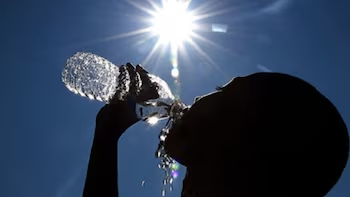
- Stay Hydrated: Regular hydration is essential to mitigate dehydration caused by heat and sun exposure.
Furthermore, schools are encouraged to conduct outdoor activities in shaded or protected areas, ensuring that students have access to sun protection equipment.
Monitoring UV Levels
Regularly checking the UV index through official Senamhi channels and the media is essential for adjusting daily routines. Increased awareness and monitoring can significantly help in reducing the risk of UV-related health issues.
Conclusion
As Peru faces increasingly dire UV radiation levels, community awareness and adherence to protective measures are more critical than ever. By actively monitoring UV indices and making informed choices, individuals can better safeguard their health against the adverse effects of ultraviolet radiation.