
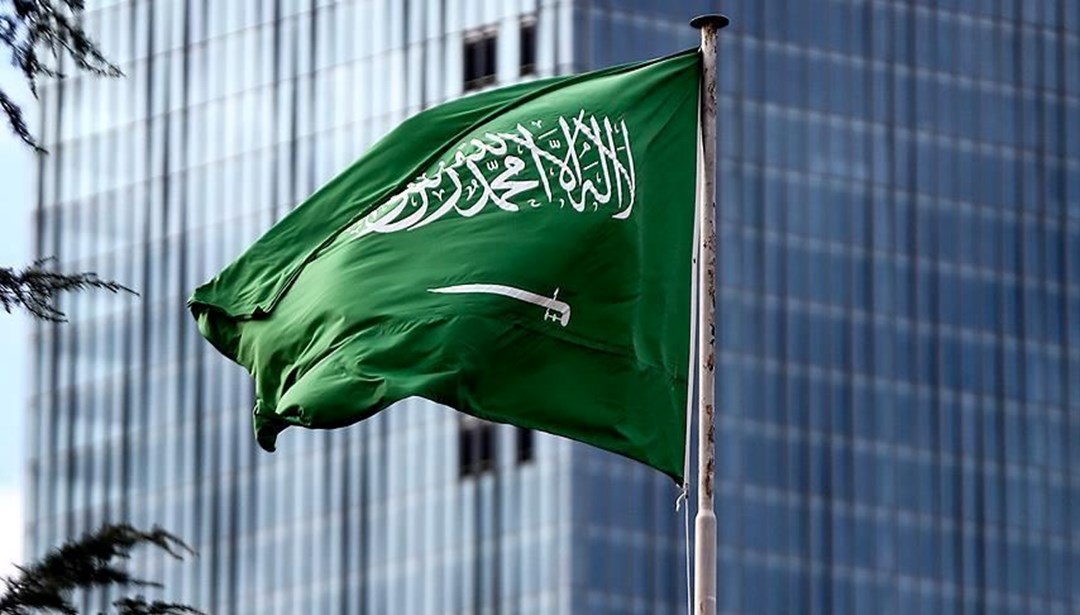
Saudi Arabia’s Alcohol Ban Easing: A Historic Shift
In recent developments, Saudi Arabia has announced a significant change in its longstanding policy regarding alcohol. Since 1952, the country has enforced a strict ban on alcoholic beverages. However, this policy is set to be relaxed by the government, particularly aimed at enhancing the tourism sector. By the year 2026, alcohol is expected to be permitted in 600 designated tourist areas. This marked change aims to create a more welcoming atmosphere for international visitors and promote tourism in the region.
New Regulations for Alcohol Sales
According to the newly implemented plan, alcohol consumption will be strictly regulated and confined to tourism-related establishments. Selected five-star hotels, resorts, and licensed venues will now be allowed to sell and serve alcohol. This careful delineation indicates the government’s intent to maintain a controlled environment while simultaneously encouraging foreign investment and tourism.
One key point to note is that the sale of alcoholic beverages will not be universally available across the kingdom. Instead, a focus will be placed on specific tourist zones—areas actively seeking to attract travelers. This strategic move shows Saudi Arabia’s desire to adapt its cultural and economic landscape to meet global tourism trends while still adhering to traditional values in non-tourist sections of the country.
Types of Alcohol Permitted
While the easing of restrictions signifies a notable shift in policy, it is vital to recognize that the ban on hard liquors will continue to remain in effect. The government has specified that only the consumption of wine and beer will be authorized in the select tourist-focused venues. Hard liquors, such as whiskey and vodka, will continue to be classified under the "prohibited" category, sustaining the overarching principles of the kingdom’s cultural norms.
This focused approach suggests that while Saudi Arabia is becoming more accommodating, it remains cautious about completely overturning its historical stance on alcohol consumption. The aim appears to be finding a balance between modernity and tradition, allowing for a limited introduction of alcohol in contexts that do not threaten the foundational values of the society.
The Historical Context of the Ban
To understand the implications of this new policy, it is essential to revisit the historical context surrounding the original ban on alcohol in Saudi Arabia. Back in 1952, King Abdulaziz instituted the complete prohibition of alcohol following a grave incident in 1951. During a social event in Jeddah, Prince Mishari bin Abdulaziz Al-Saud, son of King Abdulaziz, fatally shot Cyril Ousman, the British Deputy Consul. This tragic event provoked public outrage and ultimately triggered King Abdulaziz to impose a national ban on alcohol.
Historically, the ban has been a significant element of the kingdom’s identity, as it aligns with Islamic principles that discourage the consumption of alcohol. The steadfast enforcement of this policy has had a considerable impact not only domestically but also internationally, often shaping perceptions of Saudi Arabia as a conservative society resistant to change.
Tourism as a Focus of Economic Diversification
The easing of the alcohol ban is part of Saudi Arabia’s broader vision for economic diversification, especially evident through Vision 2030. This initiative aims to reduce the kingdom’s reliance on oil revenues by promoting sectors such as tourism, entertainment, and hospitality. As part of this progressive vision, the new regulations on alcohol consumption can be seen as an effort to align with global tourism trends and attract international visitors.
The government recognizes that introducing controlled access to alcohol can enhance the overall tourism experience, making Saudi Arabia a more appealing destination. The selected tourist areas will provide a glimpse of Saudi culture while also allowing visitors the opportunity to enjoy leisure activities akin to those in more liberal countries.
The Future of Alcohol in Saudi Arabia
Looking ahead, the successful implementation of this policy will be keenly observed. The government’s meticulous approach, prioritizing the designation of specific areas where alcohol can be consumed, underscores a desire to maintain control over the cultural environment. While these changes signal a potential shift towards modernization, they also reflect the complexities and challenges of navigating change within a deeply traditional society.
The experience of the next few years will likely serve as a litmus test for how easily such policies can be integrated into the societal fabric of Saudi Arabia. With tourism being a critical component of its Vision 2030 strategic goals, the implications of this relaxed alcohol ban will extend far beyond just the act of drinking; it will shape the future trajectory of Saudi Arabia on the global stage.
In conclusion, the relaxation of the alcohol ban in Saudi Arabia is a significant milestone that captures the tension between tradition and modernization. As the kingdom opens its doors to a more globalized identity, the careful approach to alcohol sales signifies a cautious yet promising step towards economic diversification and a more vibrant tourism sector.