
The Ambitious Neom Megaproject: A Double-Edged Sword for Saudi Arabia
The Neom megaproject is reminiscent of the great pyramids of ancient Egypt, representing a bold vision for Saudi Arabia’s future. This groundbreaking initiative aims to sever the kingdom’s dependence on fossil fuels, transitioning the country into a hub for investments and high-purchasing power tourism, ultimately attracting global interest.
Recent reports from Reuters indicate that the Public Investment Fund (PIF) of Saudi Arabia, which spearheads such initiatives, announced an $8 billion cut to its budget for Neom. This significant budgetary shift raises questions regarding the long-term viability of the project and the nation’s diversification strategy.
An 8,000 million dollar ax. The PIF has recalibrated its investments, focusing on more realistic goals and extending project timelines to alleviate financial strain on the sovereign fund. The high costs associated with these megaprojects, combined with a challenging geoeconomic environment, have prompted Saudi Arabia to undertake essential financial adjustments that cast doubt on the feasibility of its ambitious plans.
Neom touched, but not sunk. According to data from Financial Times, this budget reduction translates to a 12.4% decrease across the five prominent megaprojects included in the Vision 2030 Plan, with Neom being significantly impacted. The total declared value of these projects reportedly dropped from 241 billion riyals in 2023 to 211 billion riyals in 2024, indicating a critical adjustment in projected investments.
Oil price plays against it. Factors such as the recent decline in oil prices and substantial overruns in project costs are the primary reasons behind the budget cuts. CNBC highlighted that the valuation of these initiatives suffers from delays, budget overruns, and shifting geopolitical conditions, resulting in decreased profitability for the PIF.
Mónica Malik, Chief Economist at the Abu Dhabi Commercial Bank, noted to Reuters that this recalibration is essential for managing resource allocation and mitigating cost pressures associated with the projects. Priority is now given to initiatives that have already commenced, including the football stadium that will serve as the venue for the 2034 World Cup , cleverly positioned on top of The Line.
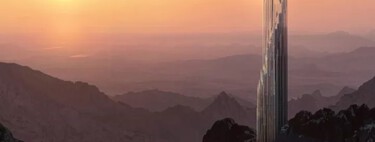
1,000 stroke jobs. Financial setbacks have previously necessitated reevaluation of the scope and play of many developments. For instance, the ambitious goal set for The Line , initially envisioned as a 170 km long structure, has been scaled back to merely 2.7 km by 2030 .
This budgetary revision will also impact employment numbers. Various employees have already faced layoffs as a cost-saving measure, and over 1,000 workers will be redirected to priority projects, further delaying other initiatives due to insufficient manpower and funding.
Reality was not as spectacular as Renders. The challenges faced by Neom aren’t isolated. Other related projects have also performed below initial expectations. For example, Trojena , the planned ski resort intended to host the 2029 Asian Games and the 2030 Winter Olympics , faces significant obstacles due to environmental conditions and infrastructure limitations, raising concerns about its feasibility.
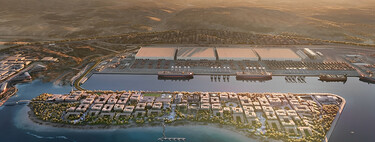
Similarly, another project within the Neom framework is Sindalah , a tourist island, which has struggled to attract interest despite showcasing futuristic concepts. Delivering on promises made through flashy renders has proven inadequate for securing the necessary investment.
Sustaining momentum in such monumental undertakings will demand not only creativity but also strategic adaptability in response to market realities. As Saudi Arabia strives to reinvent itself and lessen its historical reliance on oil, the viability and success of grand projects like Neom will play a pivotal role in shaping its future.