
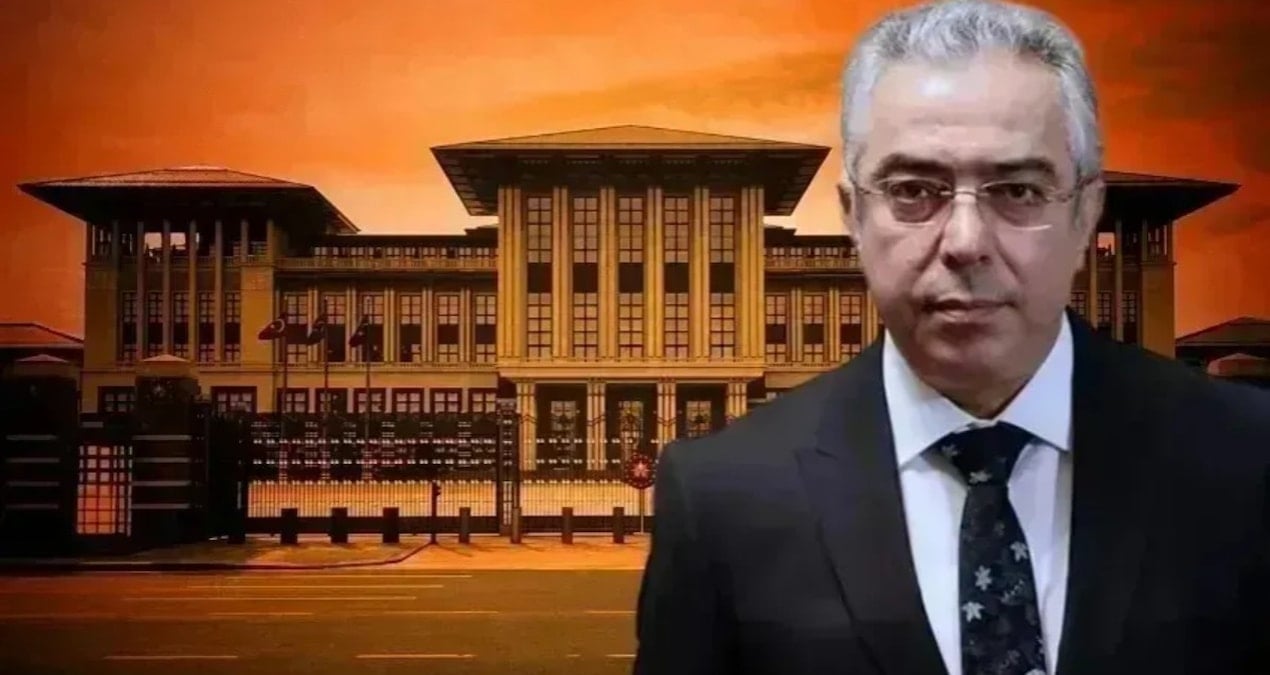
Mehmet Uçum, an influential figure in Turkey’s legal and political landscape, recently shared insights about democracy on his social media account. His post, titled “Democracy Law Notes (7),” dives into the conceptual framework of democracy and the essential qualities of patriotic democracy .
Understanding the Foundations of Democracy
Uçum begins by summarizing previous discussions regarding the principles of democracy. He delineates various important aspects projected in the literature:
- Democracy: Governed by the will of the people.
- Forms of Democracy: Including direct, semi-direct, and representative democracy.
- Models of Governments: Such as presidential, semi-presidential, and parliamentary systems.
- Types of Democracy: Ranging from liberal to conservative, national, social, patriotic, socialist, and sovereign democracy.
- Areas of Democracy: Covering political, economic, and cultural dimensions.
- Place-Based Democracy: Encompassing family, workplace, school, and local, national, regional, and global democracy.
These discussions have historically been dominated by Western ideologies. However, Uçum argues that recent revelations have transformed the conversation about democracy from a Eurocentric dialogue into a more generalized and neutral legal discussion.
Patriotic Democracy: Key Characteristics
Uçum emphasizes the significance of patriotic democracy and lists several qualities that define this concept:
- Integrity of National Sovereignty: At the heart of patriotic democracy is the principle that sovereignty belongs unconditionally to the nation. It is crucial that national sovereignty is solely held by the populace, without any indirect or direct allowance for bureaucratic dominance over the national will.
- Vessel-Free Democracy: This ensures that there are no external authorities over the democratic will. The mechanisms of the republic and democracy must be integrated seamlessly, emphasizing the unity of national and popular sovereignty.
- Functionality of Powers: In patriotic democracy, the separation of powers is not about institutional divides but rather functional roles that operate under national sovereignty.
- Presidential Model: Uçum identifies the presidential system as the most suitable government model for a democratic republic, proposing that the nation’s leadership should be directly elected by the people.
- Supremacy of National Law: Patriotic democracy must ensure that international treaties or external legal systems never overshadow domestic law. This quality reinforces the independence of national legal structures.
- Authority of National Judiciary: Uçum insists that external judicial authorities should never hold a hierarchical position over national courts that embody the sovereignty of the nation.
- Protection of Democratic Gains: During periods of change, the survival of democratic achievements, such as maintaining two voting rights and the 50%+1 rule, is crucial to preserving the collective democratic knowledge of the populace.
- Complete Independence: The notion of patriotic democracy fundamentally relies on never allowing external or internal transfers of powers that could undermine national sovereignty. In today’s world, where power struggles are rampant, only by safeguarding national identity and the democratic will can real democratic principles flourish.
As Uçum points out, when the rules underpinning democracy are firmly grounded in laws that provide legal assurance of patriotic democracy, true independence can be realized.
Conclusion
In today’s fast-evolving political landscape, understanding the nuances of democracy is crucial. The insights shared by Mehmet Uçum shed light on the vital principles that not only define democracy but also the distinct aspects of patriotic democracy. With an emphasis on national sovereignty, judicial independence, and the integral role of the populace in governance, these discussions pave the way for a deeper understanding of what it means to truly uphold democratic values in modern societies. As the dialogue continues, it remains essential for nations to craft their unique identities within the broader context of global democratic principles .