
The Impact of Tourism on Rovaniemi: A Double-Edged Sword
Every December, thousands of children—both young and old—send their heartfelt letters to Santa Claus in Lapland. Yet, beneath the jolly facade of Rovaniemi, the capital of Lapland, lies a growing tension among locals who wish that the seasonal influx of tourists would dwindle. While the world flocks to witness Santa’s village, the residents are grappling with the realities of overtourism.
A Glimpse into Santa Claus’s City
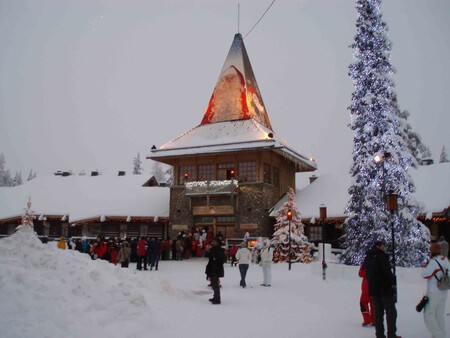
Lapland, a Finnish region located near the Arctic Circle, boasts Rovaniemi as its capital. This small city, with a population of approximately 65,000, is enveloped by breathtaking nature. However, what brings it global acclaim is the Santa Claus Village, established in 1985 to emulate successful attractions like Disneyland. This venture aimed to commercialize the magic of Christmas, transforming a region devastated by World War II into a winter wonderland.
Since then, the Santa Claus Post Office has received over 15 million letters from around the world. During peak months, the post office can handle up to 30,000 letters daily. However, this incomprehensible volume of mail is not the only thing swelling within Rovaniemi; so are the tourist numbers. During peak season, the tourist population can balloon to ten times that of the local inhabitants, with Rovaniemi accounting for about a third of Lapland’s tourism revenue, approximately 400 million euros annually.
A Growing Concern for Infrastructure
The tourism wave doesn’t halt. As Rovaniemi continues to attract visitors, it grapples with the accompanying challenges. Additional hotel developments and expansions at the local airport demonstrate a proactive approach to accommodating an ever-growing number of tourists. Current plans aim to increase the airport’s terminal size by 1,000 square meters, while also promoting adventure and wellness tourism during summer months.
Data indicates that over 700,000 tourists visited the region in 2024, a number that mirrors peak seasons in tourist-heavy areas worldwide. However, the locals are not thrilled with this surge.
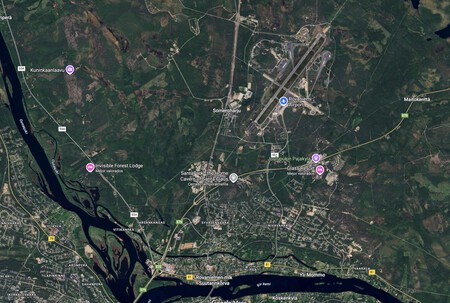
To the south is Rovaniemi and next to the airport is the village of ‘Santa’
A Local Outcry
The heart of the issue lies in the local experience, with residents expressing their frustrations through protests against unchecked tourism. Although new hotels are emerging, they still fall short of meeting demand, leaving many tourists to flock to vacation rentals, driving up housing costs and creating shortages for locals. This has led to broader concerns regarding infrastructure that struggles to cope during peak seasons.
Moreover, the cultural identity of Rovaniemi is at stake, as commercialization threatens to dilute the rich traditions that define the region. In response to local outrage, Rovaniemi’s mayor acknowledged the need for balance, while higher authorities have emphasized the importance of fostering sustainable tourism practices.
The Environmental Toll
The impact of tourism extends beyond cultural concerns and into the realm of environmental degradation. Reports indicate that extensive green spaces have been sacrificed for the sake of new tourist attractions, as parks, hotels, and recreational facilities replace natural habitats. An alarming statistic reveals that approximately 15% of new developments within a 10-kilometer radius of Rovaniemi relate to tourism.
Local Sami reindeer herders, who have grazed their herds for generations, lament the loss of grazing areas due to tourism, farming, and mining, raising fears that this trend will persist unchecked. With annual tourism revenue projected to surge by another 200 million euros, local environmentalists and indigenous communities remain concerned about their cultural heritage and its future.
Seeking a Sustainable Path Forward
The convergence of tourism, environmental concerns, and the local outcry paints a complex picture of Rovaniemi. The local populace strives to preserve their cultural identity and natural heritage amid a burgeoning industry heavily dependent on the allure of Santa Claus. This situation reflects not only the challenges facing Lapland but also those similar destinations worldwide, caught in the tension between economic growth and sustainable practices.
As Rovaniemi moves forward, it must navigate these challenges carefully, aiming to balance tourist happiness with the locals’ quality of life and the preservation of its stunning landscapes. The future demands a concerted effort to manage tourism responsibly, ensuring that the enchantment of Lapland endures for generations to come.