
Sandoz Advocates for “Made in Europe” in Antibiotic Production
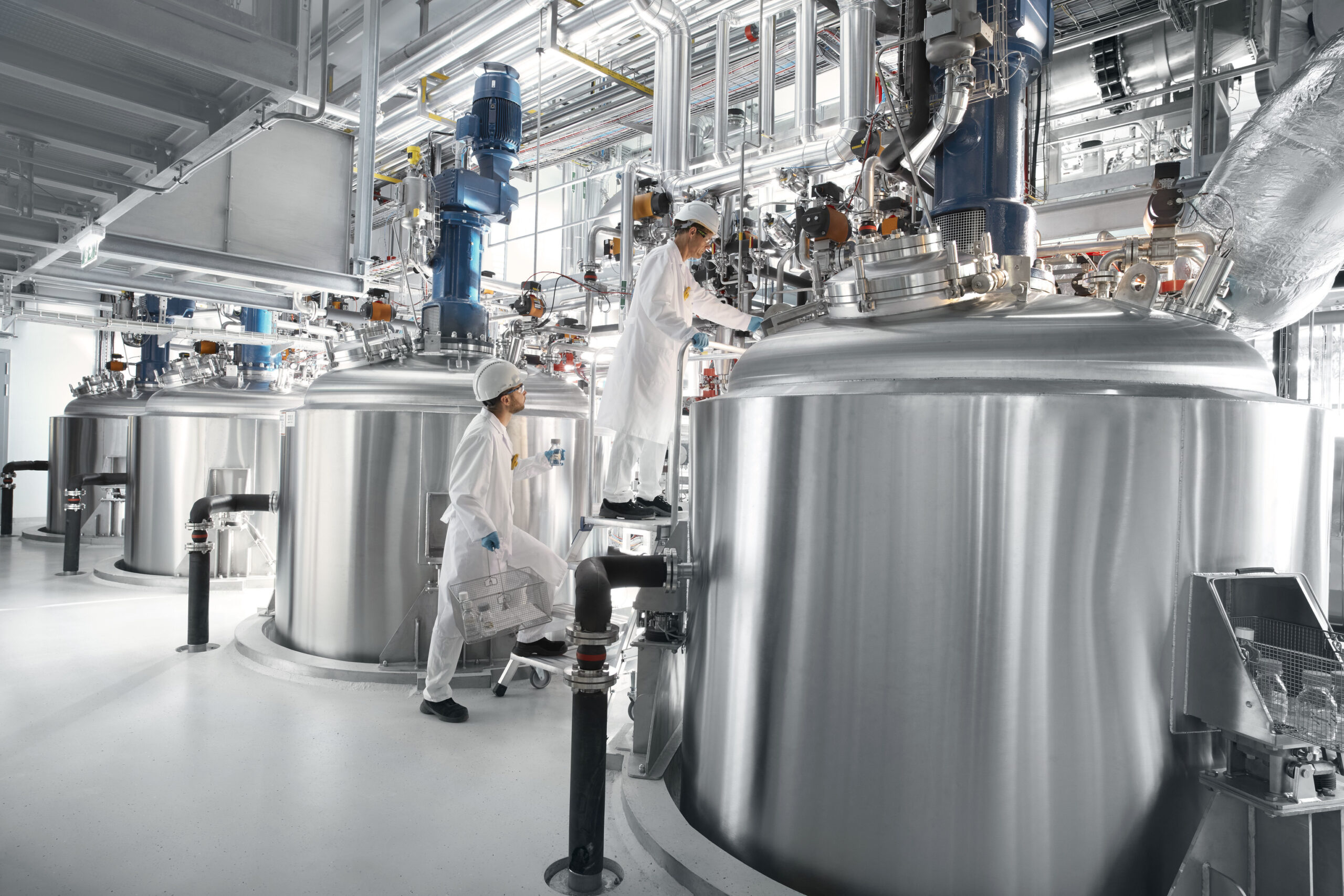
In the picturesque region of Austrian Tyrol lies Kundl, home to the only penicillin production plant in Europe. This facility is not just significant for its singularity; it represents the pride of Sandoz, which touts itself as “the only vertically integrated antibiotic manufacturer in the West.” As Chairman Gilbert Ghostine emphasized in an interview, the plant’s existence becomes increasingly vital amidst concerns regarding European self-sufficiency in antibiotic manufacturing.
The Case for European Antibiotic Production
Sandoz has a long history, celebrating 140 years of heritage, with a robust position in antibiotics for the past 80 years. However, the firm underscores a pressing issue: Europe must push for self-sufficiency in drug production to ensure jobs and secure supply chains. The Draghi report has drawn attention to this necessity, suggesting that legislation could mandate that at least a third of supplies originate from European manufacturers. Ghostine argues that this not only supports local laboratories and patients but also reduces environmental impact compared to importing from abroad.
Sandoz’s Antidumping Measures
Faced with aggressive price dumping by foreign competitors, particularly from China and India, Sandoz has taken action. The company recently lodged a draft antidumping complaint with the European Commission against Chinese imports of amoxicillin, a penicillin derivative. Price reductions of up to 57% in just one year raise concerns of unsustainable market practices. Ghostine argues that allowing such dumping could lead to Europe’s over-dependence on a single market, threatening the viability of local production.
Ensuring Security of Supply
The impeccable control Sandoz maintains over its production process is a reassuring factor for European patients and regulatory bodies. Ghostine states, “Sandoz is the only vertically integrated manufacturer of penicillin antibiotics in Europe,” producing its own Active Pharmaceutical Ingredients (APIs). In contrast, 90% of APIs are sourced from outside Europe, mainly from China. This vertical integration, while costly, provides a security framework that is crucial for maintaining high-quality standards.
Calls for Legislative Action
Sandoz advocates for prompt legislative reforms to better protect the European pharmaceutical industry. Ghostine highlighted how countries like India have already established measures, such as minimum price regulations for APIs, to protect local manufacturers from global price undercutting. This strategic awareness is paramount; Ghostine likens the importance of the pharmaceutical industry to other critical sectors like defense and technology, calling for heightened attention from European governments.
The Role of Spain in Sandoz’s Vision
Kundl has seen a doubling of its production capacity since 2021, now manufacturing 240 million doses annually for Europe. Spain plays a pivotal role in Sandoz’s operations, with headquarters in Madrid and a production plant in Palafolls, Barcelona. As the pharmaceutical industry anticipates a “golden decade” with a $650 billion value in original drugs going off patent, the strategic positioning and capability of Sandoz in Spain seem vital.
Conclusion
As Sandoz champions the “made in Europe” ethos, it emphasizes the importance of local production in ensuring the security of supply, promoting job creation, and maintaining environmental standards. The call for supportive legislation and protective measures highlights the urgent need for a cohesive European strategy in pharmaceutical self-sufficiency. Understanding these dynamics is crucial for navigating the future landscape of antibiotic production in Europe.