

In January 2024, South Korea witnessed a significant cultural shift as the nation legislated against the consumption of dog meat, a practice that has been a part of its culinary history for centuries. The new law, termed the “Menu with Dogs” legislation, imposes severe penalties, including up to three years in prison for violators. While many view this as a progressive step towards animal rights, it has ignited complex ethical, economic, and social dilemmas.
The crux of the issue is the fate of the approximately 500,000 dogs currently bred for meat. With the new legislation, thousands of farmers face a grim reality. Many have depended on dog breeding for their livelihood, and the sudden legal prohibition has plunged them into uncertainty and despair.
The historical significance of dog meat in South Korea cannot be understated. Traditionally consumed in dishes like Bosintang , a soup reputed to provide strength and vigor, dog meat has long been integrated into the country’s food culture. The recent decision to ban it marks a critical inflection point in South Korean society.
According to figures released by the Korean Association of Edible Dogs , led by Reverend Joo Yeong-Bong , the ban has created a chaotic situation for dog farmers. With merchants disappearing and debts piling up, many farmers feel stranded. The government offers compensation for up to 600,000 won per dog for those who shut down operations, but many see this as inadequate given the scale of the industry.
Reports from various media outlets indicate that the logistical challenges of relocating these dogs are immense. Many farmers are left with hundreds of animals they are unable to sell, raising the question of what to do with these dogs. There’s a looming ethical dilemma: while the ban aims to save dogs from slaughter, those not adopted may be euthanized due to the lack of alternatives.
Most of these dogs are larger breeds, specifically bred for commercial value, rendering them less desirable for adoption in an increasingly urbanized society where smaller pets are favored. Some dogs belong to breeds considered dangerous, like the Tosa-Inu , which are subject to stringent regulations. Shelter facilities struggle with the influx, and social stigma also complicates their chances for adoption.
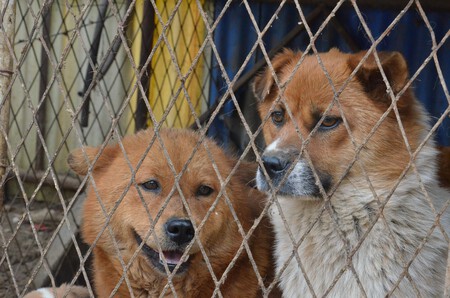
The honorable intentions of the ban have unveiled a heart-wrenching paradox : many dogs rescued from slaughter may still face euthanasia. According to activists and welfare organizations, neither the government nor private sectors have adequately prepared for the consequences of this legislation. An alarming statement by activists suggests that some dogs could still be sacrificed due to inadequate infrastructure for their care.
Partial solutions, such as the relocation of some dogs to Canada and the United States , provide limited hope. Such isolated efforts demonstrate that international adoption could serve as a small outlet for this crisis. Yet local farmers, such as Yang Jong-Tae , express mixed feelings about the ban, emphasizing that they continue to oppose the legislation despite recognizing the humane treatment of rescues.
Experts have raised concerns about the health risks associated with dog meat consumption, particularly since it is not regulated like other meats in South Korea. Despite remaining popular in countries like China and Vietnam, the dog meat industry in South Korea has plummeted, with only 8% of the population reporting consumption in 2024, down from 27% in 2015. Since the announcement of the ban, more than 600 out of 1,537 farms have ceased operations.
The transition has left many farmers, particularly the older generation, facing potential poverty as they struggle without their primary source of income. Younger farmers encounter even graver challenges, caught in debilitating cycles of debt and despair.
For individuals like Chan-Woo , a 33-year-old farmer with 600 dogs, the sense of helplessness is overwhelming. His story encapsulates the tensions between shifting ethical standards and a struggling economy. The plight of farmers raises alarming questions about a potential humanitarian disaster that may go unnoticed amidst the well-intentioned legislative changes.

The South Korean government is currently investing $4.3 million annually in creating shelters and supporting private organizations to handle this transition. However, they lack a well-structured plan for the disposition of these dogs. While animal rights advocates have successfully relocated thousands since 2015, they warn that they cannot sustain the current influx of dogs needing care.
Farmers are calling for an extension of the grace period before the law takes full effect in 2027. As Reverend Joo Yeong-Bong pointed out, without a sustainable solution for the future of these dogs and the farmers affected by the ban, the outcome could be dire.
While the prohibition of dog meat stands as a significant moral victory for many, it underscores the intricate ethical , economic , and social issues that accompany such legislative changes. The importance of addressing these challenges extends beyond animal rights; it also involves the lives and livelihoods of thousands of individuals caught in this historic transition.
Image | Pexels
In Xataka | South Korea has eaten dogs for centuries. From now on, this practice will pursue with three years in jail
In Xataka | South Korea plans to ban dog meat. So the “farmers” threaten to release two million in Seoul